
- Locations
- Interviews
- Luxury Home
- Luxury Lifestyle
- Luxury Travel
- Luxury News
- Events
- More
- Magazine

The first thing you notice in Portugal is how quickly the scenery changes. One minute it is tiled rooftops and espresso bars, and then you are beside a wild cliff path. Even the air shifts, from cool river mist to warm Atlantic salt.
That variety is why Portugal walking tours fit so well here, because the best walks link real towns with open country. You can step off a train, eat well, and still be on a trail before lunch. With the right region choice, the days feel active without feeling like a grind.
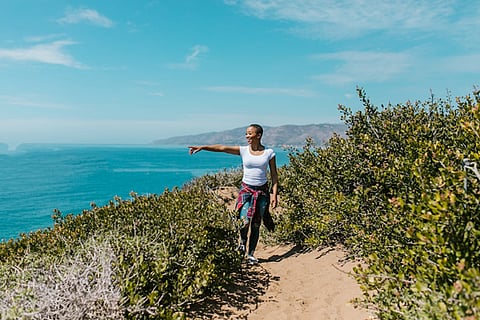
If you want drama without crowds, head south and west to the Vicentine Coast. Trails run above the ocean, then drop into fishing towns with simple grills and fresh bread. The light stays soft late into the day, which helps if you like slower starts.
Many walkers aim for stretches of the Rota Vicentina network, because it has clear waymarks and steady access points. Before you go, it helps to check protected area rules and seasonal notes through Portugal’s nature agency, ICNF, since some zones have access limits. That is also where you can confirm what areas need extra care.
A practical approach is to pick three to five nights and base yourself near one core section. From there, you can walk point to point with a short transfer back. The rhythm feels calm, and your evenings still belong to you.
Packing does not need to get complicated, but a few things matter on coastal rock and sand:
Light trail shoes with grip, since the sand hides uneven edges.
A wind layer, because the coast cools fast after late afternoon.
Sun protection, because shade is rare on the cliff tops.
The Douro is often framed as a river cruise region, but it is also strong on foot. Vineyards climb steep hillsides, and small paths stitch together viewpoints, chapels, and terrace edges. The scenery feels curated by nature and farming at the same time.
If you are building a trip with comfort in mind, the easiest plan is one walk day, one softer day. A ridge walk in the morning pairs nicely with a long lunch, then an early night. You can also time visits around harvest season, when the valley feels busy but still grounded.
One smart way to think about Douro walking is to focus on short climbs with high payoff. Look for routes that start above the river, since the first hour can be steep. Then you get long views and gentle descents into villages with cafes.
For a more polished travel style, it helps to mix in experiences that match the same mood, like Spain and Portugal wine travel. It keeps the pace balanced, and it makes the region feel like more than a single activity. Your feet still get their miles, but the trip stays rounded.
North of Lisbon, the coast shifts from raw cliffs to long beaches and dune paths. The walking here can be gentle, which is perfect if you want movement without long climbs. You also get easy access from the city, so it fits into a wider Portugal plan.
A good example is the stretch around Ericeira and further north toward Peniche. You can do half day walks, then spend the rest of the day eating seafood or browsing small shops. Even when the path is easy, the wind keeps it feeling fresh.
This region is also friendly for self guided walkers, because you are rarely far from a road or town. That matters if you like flexibility, or if you are traveling with someone who prefers shorter distances. You can pick a route, test it, and adjust without stress.
If you want to keep the walking feel aligned with a luxury lifestyle, choose stays with strong breakfasts and quiet rooms. A solid sleep does more for your next day than any fancy gadget. The bonus is you can still dress up for dinner, since the walks here do not have to be muddy.
Portugal’s islands offer a different kind of hiking day, with cooler air and greener scenery. Madeira is known for levada walks, which follow old water channels along hillsides. The routes can feel steady and smooth, but the views are still striking.
The Azores, especially São Miguel, bring crater lakes, thermal areas, and pasture lined lanes. Trails can be damp, so footwear and socks matter more here than on the mainland. If you dislike heat, the islands can feel like a relief during warmer months.
Weather changes faster on islands, so it helps to check forecasts close to your walking days. Europe’s environment pages also explain why some areas need extra protection, including the Natura 2000 network that covers many sensitive habitats. That context makes it easier to walk with care, especially in places that look untouched.
Island walking also rewards planning around light, not just distance. Start earlier, because cloud cover can drop in by mid afternoon. Then you are back at your hotel with time for a slow meal and a hot shower.
Start by matching the region to the kind of day you actually want. Coastal paths suit people who love views and breezes, while valleys suit people who want food stops and softer evenings. Islands suit people who like cool air and green hills.
Then pick your daily range with honesty, not ego. Many travelers feel great at 10 to 14 kilometers when the terrain is mixed. If you add long climbs, plan fewer kilometers and add more breaks.
Finally, build one comfort anchor into every walking day. It can be a great lunch, a spa hour, or a booked car transfer that saves your knees. Portugal rewards effort, but it rewards smart pacing even more.
Inspired by what you read?
Get more stories like this—plus exclusive guides and resident recommendations—delivered to your inbox. Subscribe to our exclusive newsletter
The products and experiences featured on RESIDENT™ are independently selected by our editorial team. We may receive compensation from retailers and partners when readers engage with or make purchases through certain links.