
- Locations
- Interviews
- Luxury Home
- Luxury Lifestyle
- Luxury Travel
- Luxury News
- Events
- More
- Magazine

Provided by a third-party contributor. The RESIDENT™ editorial team was not involved in the creation of this content.
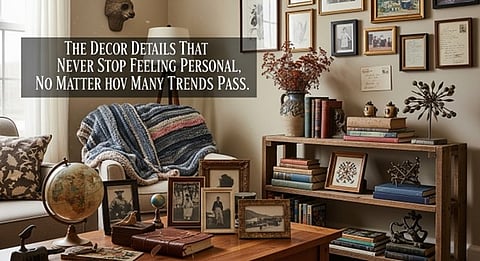
Some rooms just land differently. You walk in and feel like someone actually lives there, not like the space was assembled in one afternoon with a cart and a coupon code. Timeless decor works that way. It does not chase novelty or announce itself loudly. It feels personal, layered, and oddly reassuring, even when you cannot quite explain why. The pieces that stick with us tend to have a little grit, a little history, and just enough imperfection to feel human. This is not about rules or rigid aesthetics. It is about details that keep earning their place long after trends cycle through and move on.
A door is usually the first thing you touch in a home, yet it is often treated like an afterthought. When it is handled with intention, it becomes a statement that feels both confident and welcoming. Think about front or interior doors painted in saturated hues that feel expressive without tipping into novelty. Doors in bold colors have a way of grounding a space while still letting personality come through. They hint that the home belongs to someone who pays attention and is not afraid of character.
What makes this approach feel lasting is restraint. One or two doors carrying color is enough. The rest of the space can stay calm and neutral, allowing the door to feel like a punctuation mark rather than a shout. Over time, these doors start to feel inseparable from the house itself, as if they were always meant to be there.
Artwork has staying power when it feels chosen rather than coordinated. A single piece with a compelling story can anchor an entire room without overwhelming it. That story might involve where it was found, who owned it before, or what drew you to it in the first place. Even reproductions or lesser-known works can carry weight when they connect to something personal.
It is tempting to think that only famous names matter, but familiarity does not automatically equal meaning. At the same time, the accessibility of art today means for example, Van Gogh, Matisse or Berthe Morisot paintings for sale online are easy to find and you'll never regret the purchase can exist alongside lesser-known pieces without the room feeling like a gallery checklist. What matters more is how the art lives in the room, how it catches your eye at different times of day, and how it continues to feel right long after the initial excitement fades.
Furniture that has been around awhile tends to carry itself differently. You can see it in the wear on an armrest or the softened edge of a tabletop. These are not flaws to be corrected. They are reminders that the piece has been used, moved, and lived with. That sense of continuity is hard to fake.
Older furniture often brings proportions and craftsmanship that feel grounded and calm, even in modern rooms. Mixing these pieces with simpler, contemporary elements keeps the space from feeling stuck in time. The contrast creates balance, and over the years, those older pieces often become the emotional anchors of a room, the things people comment on without quite knowing why.
Perfect textiles can feel stiff. The ones that last tend to relax with use. Linen that wrinkles softly, wool that pills just a bit, cotton that fades unevenly from sunlight, these details add depth rather than detract from it. They make a room feel inhabited rather than staged.
Layering textiles with different textures and ages also keeps a space from feeling frozen. A throw picked up years ago can coexist easily with new pillows or a recently added rug. Over time, these layers create visual interest that feels organic, not planned. The room grows instead of resetting every season.
Small objects often hold the most meaning. A ceramic bowl inherited from a relative, a brass candlestick found on a trip, or a framed sketch discovered in a dusty shop all bring quiet richness to a space, without needing explanation. These pieces do not demand attention. They reward it.
The key is editing. Letting objects breathe allows each one to feel intentional. When everything on display has a reason for being there, the room feels thoughtful instead of crowded. These details become part of daily life, noticed in passing, appreciated more deeply over time.
Timeless decor is less about achieving a look and more about building a relationship with your space. The details that endure are the ones that continue to feel honest, even as your tastes evolve. When a room reflects curiosity, memory, and a willingness to live with things instead of constantly replacing them, it stays interesting. Long after trends have come and gone, those rooms still feel good to come home to, and that is the kind of lasting appeal no trend forecast can touch.
Inspired by what you read?
Get more stories like this—plus exclusive guides and resident recommendations—delivered to your inbox. Subscribe to our exclusive newsletter
The products and experiences featured on RESIDENT™ are independently selected by our editorial team. We may receive compensation from retailers and partners when readers engage with or make purchases through certain links.