
- Locations
- Interviews
- Luxury Home
- Luxury Lifestyle
- Luxury Travel
- Luxury News
- Events
- More
- Magazine

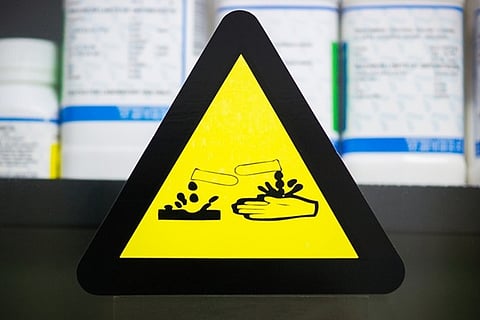
Workplace safety is a basic element, and is commonly the initial line of communication when it comes to discussing hazards, which entails the use of chemical labels. They contain necessary information on the character of a substance, its possible hazards and the safety precautions that are necessary in handling the substance. Labels, though vital, are not sufficient on their own to guarantee a complete safe environment. Overdependence on labels may cause a perceived spurious safety therefore resulting in accidents which could have been avoided by adopting more comprehensive safety measures.
Chemical labels must contain the basic hazard data, including such aspects like flammability, toxicity, and precautionary measures during handling. Yet, the complex dangers of each chemical cannot be represented with these labels. As an illustration, some of the reactions that arise after mixing of the chemicals might not be written on the label, and therefore the workers are not even aware of the hazards. The use of labels can result in inappropriate storage, handling, and disposal of chemicals, which can make the occurrence of incidents more probable.
The other weakness of labels is that there is a chance of human error during labeling. The labels may get spoiled, misprinted or be removed with time and therefore the information may not be dependable. Employees may think that a label is correct at all times and this may lead to unintentional exposure or unintended use. The employers also need to understand that labels do not constitute the entire chemical safety program but rather individual labels supplement the appropriate training and supervision.
Chemical safety requires employee training. The workers must know how to understand labels, analyze the symbols of hazards, and use the information to the real life situation. Training is useful in making sure that the employees are aware of what to do in case of accidental exposure or spillage of chemicals. This could involve being aware of the whereabouts of safety showers and their correct usage that could take the effects of splashes or even being involved with harmful substances.
Constant training also strengthens the knowledge of possible dangers that cannot be conveyed only by labels. Employees must be ready to deal with the chemical emergencies where the labels do not give the complete description of the chemicals. The inclusion of practical exercises and drills would reinforce a safety culture, and the employees would react correctly in every situation.
There should always be other safety measures that are accompanied by the use of labels. Safety Data sheets are much more informative about chemicals such as exposure limits and handling recommendations and emergency operations. It is better to store properly, have good ventilation systems and personal protective equipment which will offer additional protection on top of the label. These actions aid in the elimination of accidents and minimizing the consequences of accidents in case they happen.
Technological tools like fume hoods and toxic gas sensors can be used to identify the presence of hazards that cannot be identified by the label. The facilities must also be designed so that there is easy access to emergency equipment like an eyewash station and ensure that they are operational. Together with complementary strategies these form a powerful system of safety that can be used to balance the weaknesses of labeling as a safety measure, mitigating the risk and saving the lives of employees.
Chemical safety is a matter that needs the efforts of an organization at all levels. The management should have stringent measures on how to handle, store and dispose of hazardous materials. Workers are advised to adhere to safety precautions at all times and report any safety issues in terms of label labels and chemical hazards. The environment of safety is enhanced by open communication and accountability.
Enhancement of culture which entails the consideration of various safety protocols lowers the risk of accidents. Labels are still a significant item although they should not be the only source of information and direction. Workplaces can be improved to a greater level of protection of all parties involved through the integration of training, safety equipment and procedural protection.
It is not possible to only use chemical labels in order to sustain a safe workplace. Labels are informative yet lack in extent and are also prone to inaccuracy. The best approach to chemical safety involves thorough policies and measures, which include training, emergency services, like safety showers and eyewash stations and organizational adherence to best practices. These measures should be integrated together so that the employees are in a better position to deal with the hazardous materials safely and responsibly.
Inspired by what you read?
Get more stories like this—plus exclusive guides and resident recommendations—delivered to your inbox. Subscribe to our exclusive newsletter
The products and experiences featured on RESIDENT™ are independently selected by our editorial team. We may receive compensation from retailers and partners when readers engage with or make purchases through certain links.