
- Locations
- Interviews
- Luxury Home
- Luxury Lifestyle
- Luxury Travel
- Luxury News
- Events
- More
- Magazine
- Contact Us

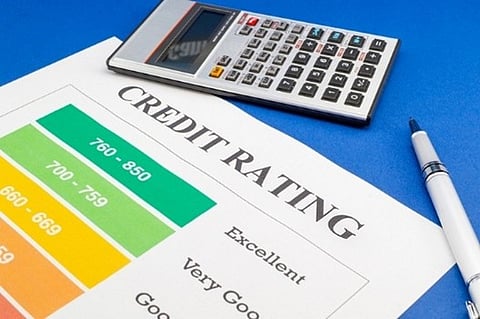
One of the key aspects of personal finance management is monitoring your credit score. A lot of individuals are preoccupied with paying their bills and decreasing their debts but they fail at the necessity to know the health of their credit. Frequently checking your credit score can provide you with the understanding of how lenders perceive your financial stability and can enable you to make a wise decision regarding borrowing, debt management, and financial ambitions. Knowing your credit score can also avoid the sudden shocks that may hit your borrowing capacity or good rates of interest.
Knowing your credit score will enable you to take steps in advance to ensure that you can improve or sustain your credit score. It is a mirror of your spending patterns and gives you an idea of the way to spend more wisely. Monitoring your credit score will help you to detect any mistakes, fraudulent activities, and make major decisions in your life like buying a house or taking out a loan. Being aware of your credit would mean that you are in control of your financial health.
Being aware of your credit score enables you to know how credit lenders analyze your financial situation. Good credit score means that the person is reliable and may attract better interest rates and conditions of the loan. On the other hand, a lesser score can indicate increased risk, thus, it will be costlier to borrow or restrict credit. A periodic review will make sure that you know about any changes which might affect these opportunities and can take measures before things go wrong.
Your credit score awareness is also an incentive to act in a responsible way with money. You get to be more conscious of the money you spend, how and where you paid, and the amount of money you owe by monitoring it regularly. This is a form of awareness that will stop overspending and make you stop thinking of paying a debt with high interest first. In case, in your case, you contemplate solutions like debt consolidation, being aware of your credit position can make you know the possibility and possible merits of such solutions.
Credit reports are not flawless and errors may be made which will hurt your credit score. These errors can be those that show wrong balances in the accounts, wrong late payments or those that are not of your account. Periodically checking your credit score and the corresponding report will enable you to detect and challenge errors as early as possible and limit their effects on your financial status.
Another important reason why you should monitor your credit score is fraud detection. Unauthorized credit and identity theft can have serious consequences on your credit in case of failure to respond in time. You can tell when there is something wrong going on by keeping track of your score and then take some measures to correct before it impacts on your borrowing or financial administration capacity. It is better to keep a close watch on your credit in order to protect your financial image and avoid any future problems.
The credit score is important when making the key financial decisions like taking a mortgage, car loan, or personal loan. An increased credit score can both save and cost you by reducing the interest rates and other features. Keeping track of your score will also enable you to put in advance and to make corrections to your score so that you can get on board the necessary loans.
It is also important to know your credit score when thinking of a consumer proposal BC. It will give you an idea of the effects that restructuring debt or bargaining with creditors can have on your score and long-term financial health. Knowing your credit gives you a good picture on how to go about it in a way that you acquire the most financial stability with a minimum number of negative effects.
Frequent checking of credit scores promotes habitual spending patterns. Keeping track of your score will keep you on schedule with your payments, prevent unwanted debt, and be able to budget out your future costs. Such practices provide stability in the long-run and simplify the process of meeting financial objectives.
Monitoring your credit rating can also be useful in including debt consolidation in your financial plan. Being aware of your credit situation can also enable you to know whether consolidation is an option and its potential impact on your credit situation. It is important to keep track of your score so that you can make wise choices that can enhance your financial status and not cause more problems.
One of the proactive ways of financial management involves getting a check of your credit score. It can give you a clue to your financial behavior, can be used to identify any errors or fraud, and gives you the confidence to plan on any major financial choices. In the process of enhancing your credit, better borrowing decisions and safeguarding your long-term financial well-being, it is possible to take action by being informed. The point behind keeping track of your credit score is not only about the numbers; it is about having control over your future financial state and taking the right decisions to maintain stability and to grow.
Monitoring your credit will make sure that you are ready to make the most advantageous financial decisions be it debt consolidation or a consumer proposal BC. Staying informed about your credit health keeps you in control to take proactive steps to stay out of trouble and a good base of all your future financial responsibilities.
Inspired by what you read?
Get more stories like this—plus exclusive guides and resident recommendations—delivered to your inbox. Subscribe to our exclusive newsletter
The products and experiences featured on RESIDENT™ are independently selected by our editorial team. We may receive compensation from retailers and partners when readers engage with or make purchases through certain links.