
- Locations
- Interviews
- Luxury Home
- Luxury Lifestyle
- Luxury Travel
- Luxury News
- Events
- More
- Magazine

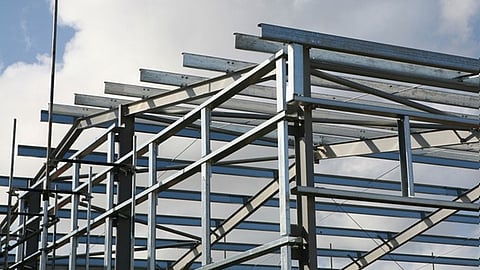
The most important thing to look into during the installation of the steel buildings is planning for future expansion. Most companies are interested in short term demands and do not consider future expansion and this aspect can result in future expensive problems. The use of expansion planning in the preliminary design will enable the companies to save time and minimize costs and still be operational. Ready made steel building provides the scalability, which is necessary to meet evolving demands hence being a perfect solution in a business that is in short term growth perspective.
The use of expansion into building plans in the future also contributes to sustainability. Flexible buildings also minimize wastage as they do not require demolition or massive construction. Efficient use of materials and the reconfigurable spaces can prolong the life of the building besides minimizing the environmental impact of the construction. The pre engineered steel buildings are also the most appropriate in this method since it is a long lasting and flexible structure that can be adapted several times during the life of the building.
Strategic site development is also promoted by sustainable expansion planning. It might be important to plan extra space beforehand in case it is needed by more buildings, car parks, or gardens, thus avoiding any land pressure and zoning hassles in the future. The intelligent approach at expansion will mean that the businesses would be able to expand responsibly without compromising operational effectiveness. This resilience and sustainability of a facility fostering growth and innovation is due to long-term planning and the flexible nature of steel structures inherent in them.
Scientists should pay attention to the load capacity and structural flexibility when it comes to designing steel buildings. Growth-oriented buildings can also support heavier equipment, more people, or more inventory without making the buildings less safe. The structural elements like beams, columns, and roof systems can be designed in such a manner that they can accommodate the future additions allowing easy expansion without causing considerable disturbance. Such an active method minimizes the occurrence of an expensive retrofitting and helps to ensure that the building will be active in the long term.
Besides the considerations of structure, expansion planning involves planning of interior space. A modular design or removable wall can be designed to be reconfigured easily when the needs vary. The electrical, plumbing, and HVAC systems should also be designed to meet the possible demand. Modularity is an advantage with prefab steel buildings that makes it easier to add new sections or to upgrade the facilities as the organization expands.
Future expansion planning can pay off in a big way. It can be much cheaper to add to a building that was planned to be extended, rather than to make alterations to the structure of a building that was not. Companies are able to save the expensive costs of demolition, redesign or reinforcement of buildings. Also, when the capacity to grow is effective, it can help to avoid the downtimes of the operations and keep the productivity level, which is especially significant in the case of manufacturing or logistics processes.
Expansion planning also increases operational flexibility. Instead of construction delays when major changes in the market occur, companies can adapt to them, expand their production capacity, or launch new services. A structure that will cater to the future gives a business longevity in terms of business goals and competitive edge. They provide organizations that consider expansion when installing their steel buildings at a better position to address the expected and unanticipated opportunities.
The future expansion should be planned when installing steel buildings. It has structural, financial, and working benefits that make it possible to grow a business without significant failures. Companies can design a building that can be modified to changing needs by keeping in mind that the building should be flexible to adapt to changing needs, based on load capacity, modular layouts, and utility planning. Prefab and pre engineered steel buildings have a degree of flexibility needed to facilitate smooth expansion, which is why they are the ideal option where organizations are concerned with taking the long-term perspective of success. Companies that focus on expansion planning on the installation stand well to succeed both at present and future.
Inspired by what you read?
Get more stories like this—plus exclusive guides and resident recommendations—delivered to your inbox. Subscribe to our exclusive newsletter
The products and experiences featured on RESIDENT™ are independently selected by our editorial team. We may receive compensation from retailers and partners when readers engage with or make purchases through certain links.