
- Locations
- Interviews
- Luxury Home
- Luxury Lifestyle
- Luxury Travel
- Luxury News
- Events
- More
- Magazine

City travel is evolving as more people look for alternatives to traffic congestion, crowded buses, and unpredictable schedules. A commuter bike offers a simple and efficient solution for daily transportation, especially in urban environments where flexibility matters. Unlike traditional travel methods, it allows riders to move freely between locations without relying on fixed routes or waiting times. Whether you're commuting to work, running errands, or meeting friends, a commuter bike helps streamline your routine. It combines practicality with convenience, making it an increasingly popular choice for people who value control, efficiency, and a smoother daily travel experience.
A commuter bike is specifically designed for everyday riding in city environments, focusing on comfort, usability, and reliability rather than speed or performance. It is built to handle regular use, short-distance travel, and various urban conditions such as traffic, intersections, and mixed road surfaces. These bikes typically feature a more relaxed geometry, making them easier to ride over longer periods without discomfort. Instead of being specialized like road or mountain bikes, commuter bikes are versatile and practical. They are meant to support real-life needs, such as carrying bags, riding in different weather conditions, and maintaining consistent performance over time.
Commuter bikes are designed with features that enhance daily usability and riding comfort in urban settings. One of the most important aspects is the upright riding position, which reduces strain on the body and improves visibility in traffic. Many models include practical additions such as racks for carrying items, fenders for protection against rain or dirt, and built-in lights for safety. Durability is also a key factor, with strong frames and reliable braking systems designed for frequent use. In addition, commuter bikes are optimized for short to medium distances, helping riders travel efficiently without unnecessary complexity or maintenance challenges.
A commuter bike is ideal for individuals who rely on daily transportation within a city or suburban environment. It suits people who travel short to moderate distances and want a more flexible alternative to driving or public transit. Riders who value time efficiency, cost savings, and independence often find commuter bikes especially beneficial. They are also a great option for those looking to incorporate light physical activity into their daily routine without committing to intense exercise. Whether you're a student, office worker, or urban resident, a commuter bike provides a practical way to move through your day with greater ease and control.
Commuter bikes differ from other types of bicycles by focusing on practicality rather than specialization. Road bikes are designed for speed and efficiency on smooth surfaces, but they often sacrifice comfort and utility. Mountain bikes perform well on rough terrain but can feel slow and heavy on city streets. Hybrid bikes share some similarities with commuter bikes, offering a balance between comfort and performance, but they may lack built-in features for daily use. Commuter bikes are specifically optimized for urban environments, combining comfort, durability, and functionality to meet the everyday needs of riders navigating city life.
As cities become more crowded and transportation systems face increasing pressure, many people are turning to commuter bikes as a reliable alternative. They provide greater control over travel time, allowing riders to avoid delays caused by traffic or public transit schedules. In addition, commuter bikes help reduce daily transportation costs, making them a cost-effective option over time. They also contribute to a more flexible lifestyle, enabling spontaneous trips and easier navigation between different locations. For many riders, the shift toward commuter bikes reflects a desire for a more efficient, independent, and adaptable way to move through urban environments.
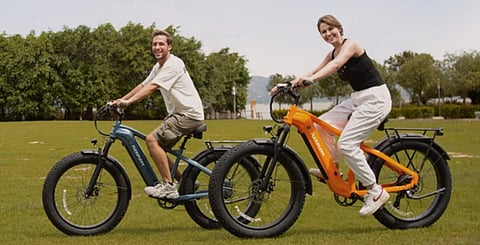
Electric commuter bikes expand the possibilities of daily riding by adding pedal-assist technology, making longer distances and challenging routes more manageable. They are especially useful for riders who face hills, longer commutes, or time constraints, as they reduce physical effort while maintaining speed and efficiency. This makes commuting more accessible to a wider range of people, including those who may not consider traditional cycling practical. Electric options also support consistency, helping riders arrive at their destination without excessive fatigue.
A commuter bike is more than just a mode of transportation; it is a practical solution for navigating modern urban life. By focusing on comfort, reliability, and everyday usability, it addresses the common challenges of city travel. Whether used for work, errands, or social activities, it simplifies movement and offers greater flexibility compared to traditional options. As more people seek efficient and adaptable ways to get around, commuter bikes continue to grow in popularity. Choosing the right commuter bike can transform your daily routine, making travel smoother, more predictable, and better suited to your lifestyle. Additionally, you can visit PUCKIPUPPY to purchase your favorite e-bike. Ride faster and easier.
Inspired by what you read?
Get more stories like this—plus exclusive guides and resident recommendations—delivered to your inbox. Subscribe to our exclusive newsletter
The products and experiences featured on RESIDENT™ are independently selected by our editorial team. We may receive compensation from retailers and partners when readers engage with or make purchases through certain links.