
- Locations
- Interviews
- Luxury Home
- Luxury Lifestyle
- Luxury Travel
- Luxury News
- Events
- More
- Magazine

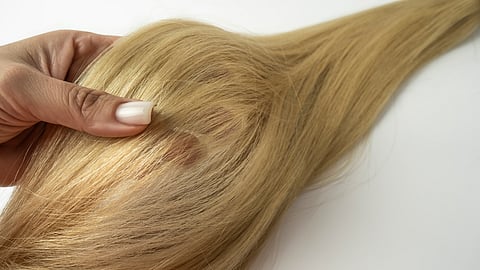
Hair weft extensions stay popular with professionals because they give strong coverage, flexible placement and a fuller finish without relying on many tiny attachment points. The right result depends on hair quality, weft construction, client lifestyle and how carefully the install is maintained.
For stylists and salons, this format is practical when the goal is volume, length and predictable blending. Before choosing a source, it is worth comparing strand softness, shedding after brushing and reliable weft hair extensions options that can support repeated salon use without random texture changes.
A hair extensions weft method allows a stylist to cover more area with fewer rows, which can make the installation cleaner and more controlled. This is useful for clients who want a fuller look, especially when their natural hair is medium or thick enough to hide the tracks. A well-made weft also helps distribute weight more evenly than some strand-by-strand methods.
The benefit is speed and visual density, but the method is not right for everyone. Very fine or fragile hair may not hide the base well, and too much weight can create tension near the scalp. That is why professionals usually check natural density, parting habits and daily styling before recommending this option.
Good human hair weft extensions should feel soft after washing, keep movement and show limited shedding during gentle combing. Cuticle alignment matters because aligned strands usually tangle less at the nape and stay smoother during daily wear. Raw or virgin hair can both work well, but raw hair often keeps a more natural texture, while virgin hair is usually easier to match for clients who want a polished finish.
A quick wash test tells more than a product photo. If the hair feels coated before washing but turns dry afterward, the softness may come from silicone rather than strand quality. Professionals also check whether the ends are too thin, since longer wefts often need more density to look full from root to tip.
Weft in hair extensions works best for clients who want visible volume, longer lengths or a full sew-in style with less daily manipulation. It is also a practical option for stylists working with custom color, because the hair can be prepared and toned before installation. Still, repeated bleaching or high heat can reduce softness over time, even with good hair.
Length and texture should be chosen together. A 22-inch straight weft will look longer than a 22-inch curly one because waves and curls shrink the visible length. For a full finish, longer or curly installs often need more hair than short straight styles.
Weft extensions remain a top choice because they offer strong coverage, efficient installation and a natural-looking full result when matched correctly. They are especially useful for salons that need consistent stock and clients who want volume without a complicated daily routine.
At the same time, the method needs honest selection. Fine hair, poor aftercare or low-grade coated hair can lead to discomfort, tangling or a bulky finish. The safest choice is to test the hair first, match the texture to the final style and use a supplier that can keep quality consistent across future orders.
Inspired by what you read?
Get more stories like this—plus exclusive guides and resident recommendations—delivered to your inbox. Subscribe to our exclusive newsletter
The products and experiences featured on RESIDENT™ are independently selected by our editorial team. We may receive compensation from retailers and partners when readers engage with or make purchases through certain links.