
- Locations
- Interviews
- Luxury Home
- Luxury Lifestyle
- Luxury Travel
- Luxury News
- Events
- More
- Magazine

Handmade leather products are still popular despite living in an era of mass production and quick fashion. Their popularity can be attributed to an increasing focus on quality and durability, with more people seeking products that stand the test of time.
According to several industry publications, consumers are becoming more inclined to purchase sustainable and durable products instead of disposable goods. The change is an indication that consumer buying patterns are shifting toward being more deliberate.
Consumers often feel overwhelmed by products that quickly wear out. Handcrafted leather items offer a solution, made with greater care than mass-produced alternatives. Below are reasons why handcrafted leather goods remain essential luxury items.
Craft is not just about the way something is made; it connects to generations of craftsmanship. Today's leather artisans have honed their skills over many years and are dedicated to preserving these techniques, which are at risk of being lost to automation.
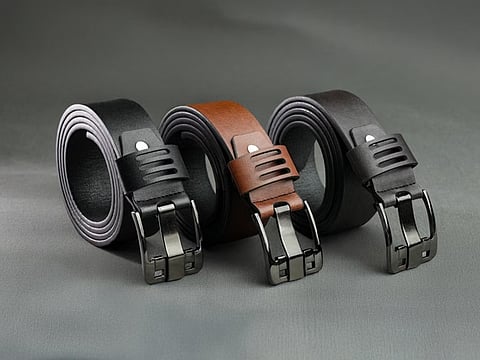
Everyday goods like belts, bags, boots, and modern western wallets reflect a deep commitment to traditional production methods. They represent authentic American craftsmanship, combining practical functionality with rugged, premium design.
Buying handcrafted leather goods is a way for consumers to support small businesses, family-owned businesses, or skilled artisans who take pride in their work. The emotional layer created by supporting these types of businesses adds depth to the user experience.
Handcrafted leather develops a rich patina over time. Unlike synthetic materials, premium hides won’t crack, fade, or peel, gaining character with age. Every scratch and tone variation adds to the item's story.
High-quality hide improves with age due to traditional vegetable tanning, preserving its integrity. Luxury buyers benefit financially, enjoying heirloom pieces for generations instead of replacing cheaper accessories.
The true mark of premium design lies in how an item handles daily wear. Mass-produced items hide flaws under heavy synthetic coatings, whereas artisanal goods celebrate the organic surface of the material.
Luxury and sustainability are becoming increasingly intertwined. As consumers continue understanding the impact that their consumption habits have on the environment, they begin to question the consumption of low-quality products.
Custom-made leather goods promote sustainability by lasting longer than many low-end mass-produced goods. When a product remains useful for years rather than months, fewer resources are needed for replacement and manufacturing.
Many artisans focus on sourcing materials responsibly and using traditional production methods to minimize waste. While some environmental impact is inevitable in manufacturing, creating durable products is a key step toward sustainability.
Many people hesitate to purchase custom leather products because they are much higher priced than other leather goods. However, price is just one part of the equation when you are considering your future value.
A cheaper product that has to be replaced every year will most likely cost more in the long run than a premium custom leather product that you will use for years. True luxury value relies on specific structural advantages:
Unmatched resistance to daily tearing
Simple restoration options using basic oils
Designs that completely ignore fleeting fashion trends
The math behind artisanal goods makes them a smart long-term investment for your wardrobe. True luxury isn't about conspicuous spending, but rather about buying pieces that deliver flawless performance over a lifetime.
Fashion trends come and go, but leather accessories will always remain stylish. They go with various styles from casual to formal business attire due to their versatility.
A quality leather bag, wallet, or belt can effortlessly change your look from season to season. Investing in leather means having fashionable pieces that last for years, rather than constantly updating with trendy items.
Because of its enduring and timeless qualities, handcrafted leather continues to create an exclusive niche within luxury markets. It does not require constant reinvention to stay relevant and sophisticated.
An artisanal product is ultimately an investment in human skill. It represents hours of focused labor, specialized knowledge, and a refusal to cut corners for the sake of profit margins.
As digital production and automated manufacturing continue to standardize consumer goods, these human elements become the ultimate luxury. Carrying an item built by hand is a quiet statement of identity and a deliberate choice to value substance over speed.
To explore more about how traditional craftsmanship is evolving to meet modern lifestyle demands, check out our internal guide on maintaining premium heritage goods for the next generation.
Inspired by what you read?
Get more stories like this—plus exclusive guides and resident recommendations—delivered to your inbox. Subscribe to our exclusive newsletter
The products and experiences featured on RESIDENT™ are independently selected by our editorial team. We may receive compensation from retailers and partners when readers engage with or make purchases through certain links.