
- Locations
- Interviews
- Luxury Home
- Luxury Lifestyle
- Luxury Travel
- Luxury News
- Events
- More
- Magazine

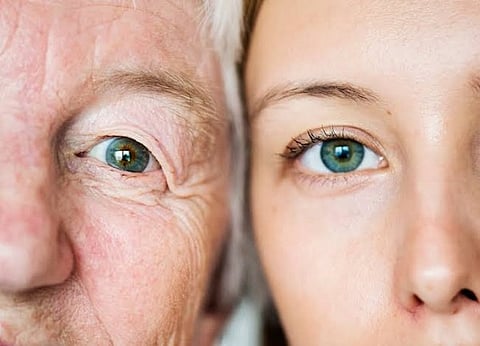
There often comes a point when the face in the mirror does not quite reflect how a person feels. Skincare routines, injectables and professional treatments may have helped maintain a refreshed appearance for years, but gradually, the changes associated with ageing can become more noticeable.
This is partly because facial ageing is not limited to the development of fine lines and wrinkles. Over time, skin loses elasticity, collagen production declines, and the deeper tissues and fat compartments that support facial contours change.
It is inevitable, and you may see these changes as a loss of fullness in the cheeks, a less defined jawline, and loose skin around the lower face and neck. These changes happen gradually, which is why some people find that treatments that once delivered the results they wanted no longer seem to make the same difference.
Recognising the difference between surface-level ageing and changes in the underlying facial structure can help clarify which treatment options are worth exploring.
Ageing is influenced by more than genetics and the passage of time. Environmental and lifestyle factors can also affect how the skin looks and behaves.
Repeated ultraviolet (UV) exposure is one of the most significant contributors to premature skin ageing. It can damage collagen and elastin, contributing to wrinkles, uneven pigmentation and changes in skin texture. Smoking, air pollution, chronic stress and inadequate sleep may also affect skin health. These factors do not affect everyone in the same way, and they cannot be reversed through one treatment.
Botox and dermal fillers can be effective tools for facial rejuvenation, but they address different concerns.
Botox temporarily relaxes targeted muscles to soften expression-related lines, such as forehead wrinkles and crow's feet. Dermal fillers add volume to selected areas and can soften certain folds or restore fullness where volume has diminished.
Neither treatment is designed to remove significant excess skin or reposition descended facial tissues. As skin laxity and changes in facial structure become more pronounced, repeated injections may not address the concerns that matter most to the individual.
This does not mean that non-surgical treatments have stopped working. It may simply mean that the nature of the concern has changed.
Facial plastic surgery addresses changes that non-surgical treatments cannot fully correct. Depending on a person's anatomy and concerns, procedures may improve sagging skin, restore definition, and create a more balanced appearance.
A facelift, for example, focuses on the mid-to-lower face and jawline. Modern techniques work with the underlying tissues rather than relying solely on pulling the skin tighter. Excess skin can be removed, while deeper structures are repositioned to improve facial contours.
The aim is not to create an entirely different face or erase every sign of ageing. It is to address the changes that make someone look older or more tired than they feel, while maintaining their recognisable features.
A facelift may be considered by people who are concerned about jowls, loose skin along the jawline, deep facial folds or changes in the lower face and neck.
Unlike injectables, which provide temporary improvements in specific areas, facelift surgery addresses structural changes. The procedure is tailored to the patient's facial anatomy, the degree of skin laxity and their desired outcome.
For someone considering facelift surgery, a consultation is an opportunity to discuss the available techniques, likely recovery, potential risks and realistic expectations.
Dr. Henry Garazo has written about the importance of maintaining a patient's natural appearance when considering aesthetic surgery. In his article,Can Plastic Surgery Change My Body Type?, he explains:
“Plastic surgeons should not seek to reinvent, but rather to enhance and magnify, a patient's existing features for a harmonious, natural appearance.”
That principle is particularly relevant to facial rejuvenation. A successful outcome should not make someone look like a different person. The goal is a refreshed appearance that remains in harmony with their natural features.
Winter can offer a practical window for people considering facial surgery. With fewer outdoor activities and social commitments for some individuals, it may be easier to arrange time away from work and allow for the initial recovery period.
Facelift recovery commonly involves swelling and bruising, particularly during the first few weeks. Although recovery varies, many patients prefer to plan surgery when they have more flexibility to rest and limit social engagements.
Reduced outdoor activity may also make it easier to follow advice about protecting healing incisions from sun exposure. However, sun protection remains important throughout the year, including during winter.
The season should not determine whether someone is suitable for surgery. Health, medical history, lifestyle, support at home and realistic expectations are all important factors. Planning ahead simply allows more time to understand the process and decide whether the timing is right.
Some people begin researching facial rejuvenation with a particular milestone in mind. They may hope to look more refreshed by Christmas 2027, or to start the new year feeling that their appearance better reflects their energy and confidence.
Others may wonder whether it is possible to look 10 or 15 years younger. While facial surgery can produce meaningful improvements for suitable candidates, no surgeon can guarantee a specific age reduction or an exact result. Outcomes depend on individual anatomy, skin quality, the procedure performed and the natural ageing process.
Rather than focusing on a number, it can be more useful to identify the changes that are bothering you.
Is it the loss of jawline definition?
Loose skin around the neck?
Deepening folds or an overall tired appearance?
Clear priorities make a consultation more productive and help establish whether surgery is likely to meet your expectations.
Winter 2026 can be a starting point for that conversation, leaving time to research, consider the advice received and make a decision without rushing towards a particular date.
Whether the eventual choice is to continue with non-surgical treatments, consider surgery or simply focus on skin health, the most worthwhile outcome is a plan that feels appropriate, informed and personal.
Inspired by what you read?
Get more stories like this—plus exclusive guides and resident recommendations—delivered to your inbox. Subscribe to our exclusive newsletter
The products and experiences featured on RESIDENT™ are independently selected by our editorial team. We may receive compensation from retailers and partners when readers engage with or make purchases through certain links.