
- Locations
- Interviews
- Luxury Home
- Luxury Lifestyle
- Luxury Travel
- Luxury News
- Events
- More
- Magazine

Robotic mobility systems represent the next evolution beyond traditional aging assistance devices.
Wearable exoskeleton technology helps older adults improve endurance, confidence, and independence.
An 81-year-old increased her daily steps from 300 to 3,000 using robotic assistance.
The future of luxury living may include technology that helps people remain active longer.
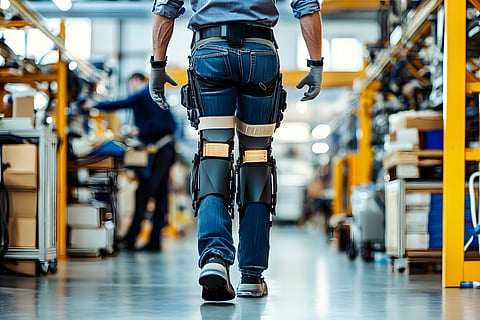
For generations, walkers, wheelchairs, canes, and mobility scooters have provided essential support for millions of people navigating physical challenges. These devices have restored independence, improved safety, and allowed older adults to continue participating in everyday life. However, a new chapter in mobility technology is emerging. Instead of focusing only on helping people after mobility declines, robotic systems are designed to help preserve movement, extend endurance, and support active lifestyles. Wearable robotic mobility devices, often called exoskeletons or robotic assistants, represent a shift from traditional assistive technology toward human enhancement.
Originally developed for athletes, rehabilitation programs, and extreme environments, these systems are now entering conversations about longevity, wellness, and aging. The future of mobility may not simply be about finding ways to move after limitations appear. It may be about using technology to help people continue moving confidently for decades longer.
The evolution of mobility technology has always reflected society’s changing understanding of independence. Early mobility devices focused primarily on stability and safety, helping people navigate daily activities after injuries, illnesses, or age-related changes affected their movement. Walkers and wheelchairs remain invaluable tools, providing millions of people with the freedom to participate in life. However, the next generation of mobility solutions introduces a different approach. Instead of only supporting people when movement becomes difficult, wearable robotics aims to enhance what the human body can continue doing.
These lightweight robotic systems use sensors, motors, and artificial intelligence to provide assistance around the hips and legs, helping reduce fatigue and improve walking endurance. The goal is not to replace human ability but to extend it, allowing people to remain active participants in their communities, families, and adventures.
The origins of wearable robotic mobility technology are rooted in pushing human performance beyond traditional limits. Engineers initially developed these systems for demanding environments where endurance, strength, and efficiency were critical. Athletes, industrial workers, military personnel, and rehabilitation specialists explored how robotic assistance could reduce physical strain while improving performance.
Mountain climbers and endurance adventurers demonstrated the potential of these devices in extreme conditions, proving that technology could support the human body during physically demanding activities. Some assisted mobility systems have even helped visitors experience challenging destinations such as historic landmarks and difficult walking routes.
What began as technology for elite performance is now expanding into a broader conversation about aging, independence, and quality of life. As millions of people live longer, healthier lives, the next major advancement in mobility may not come from professional athletes. It may come from everyday people who want to keep exploring.
The most powerful stories behind emerging technology are not always found in laboratories or engineering achievements. They are found in the lives of people whose daily experiences are transformed by innovation. My Aunt Toni is 79 years old, and like many people her age, she still wants to experience life fully. She wants to walk, spend time outdoors, walk her dog herself, remain independent, and continue enjoying the activities that bring her happiness.
After ordering a wearable exoskeleton for walking from Acentiz, she experienced a remarkable change in her daily activity. Her walking increased from approximately 300 steps per day to 3,000 steps per day, in less than one month. The technology did not walk for her or eliminate the effort required. Instead, it provided additional support that helped her overcome physical barriers and regain mobility. That is where the true promise of robotic mobility exists.
The future of aging technology is moving away from simply managing physical limitations and toward enhancing human capability. Traditional mobility devices such as walkers, wheelchairs, and scooters provide important assistance, but they are generally introduced after mobility challenges have already developed. Wearable robotics represents a different philosophy by helping people maintain activity, confidence, and independence. These powered systems can provide additional support during walking, reduce fatigue, and encourage users to continue participating in everyday experiences.
As life expectancy increases, more people are prioritizing wellness, travel, and meaningful experiences throughout their later years. Technology that supports active aging will become increasingly important as a larger population seeks solutions that preserve quality of life. The next generation of mobility may not be defined by accepting restrictions. Instead, it may focus on extending the activities, relationships, and adventures that make life rewarding.
Luxury has traditionally been associated with exclusive possessions, extraordinary destinations, and unforgettable experiences. However, for an aging population focused on wellness and independence, one of the greatest luxuries may simply be the ability to continue participating. The freedom to walk through a European city, explore a national park, travel with family, or enjoy a daily walk with a beloved pet represents a new form of personal wealth.
Wearable robotic mobility technology fits naturally into this evolving definition of luxury because it protects something more valuable than material possessions: freedom of movement. For Resident readers who appreciate innovation, technology, and lifestyle enhancement, robotic mobility represents a fascinating glimpse into the future. The next generation of luxury technology may not only make life more comfortable. It may help people experience more of the world around them for a longer period of time.
Today’s older adults are redefining what it means to age. Many are traveling more, pursuing new interests, remaining physically active, and rejecting outdated assumptions about what life should look like after retirement. Technology has already transformed many aspects of aging, from smart health devices and connected homes to personalized wellness platforms. Wearable robotics could become the next major advancement in longevity technology. These systems represent a broader movement toward solutions designed to enhance quality of life rather than simply address problems. The purpose is not to replace human movement but to amplify it. Just as glasses improve vision and hearing devices improve communication, robotic mobility assistance may become another tool that helps people continue doing the things they love. Aging is not simply about adding years to life. It is about adding life to those years.
Robot-assisted mobility once sounded like something reserved for science fiction, but wearable technology is quickly bringing that vision into reality. The greatest impact of these systems may not come from helping professional athletes perform better or allowing adventurers to reach more extreme destinations. It may come from helping grandparents walk farther, travelers explore longer, and families create more memories together.
The story of my Aunt Toni increasing her daily steps from 300 to 3,000 demonstrates the emotional impact behind this innovation. Technology becomes most meaningful when it solves a human challenge, and mobility is one of the most universal experiences people face as they age. The future of active aging may not be defined by what people lose over time. It may be defined by the tools that help them continue moving forward, exploring the world, and living life with greater independence.
Inspired by what you read?
Get more stories like this—plus exclusive guides and resident recommendations—delivered to your inbox. Subscribe to our exclusive newsletter
The products and experiences featured on RESIDENT™ are independently selected by our editorial team. We may receive compensation from retailers and partners when readers engage with or make purchases through certain links.