
- Locations
- Interviews
- Luxury Home
- Luxury Lifestyle
- Luxury Travel
- Luxury News
- Events
- More
- Magazine

Five-star residential service depends as much on invisible digital systems as it does on attentive staff. Residents may notice a prompt response, a waiting car or a package delivered at the right time, but the technology coordinating those moments usually remains out of sight. For property leaders, that’s a sign the system is working as intended.
The strongest residential technology programs connect people, property operations and in-home controls without making daily life feel automated. They give staff useful context, reduce repetitive administration and protect the discretion that residents expect. Here’s how those systems support high-touch living from arrival through departure.
A skilled concierge remembers preferences, anticipates requests and resolves issues with minimal friction. Technology strengthens that service by placing accurate information within reach. Instead of searching through separate emails, paper logs and messaging apps, staff can view approved resident preferences, open requests and relevant building updates from one interface.
This shared context matters during shift changes. If a resident requests housekeeping at 2 p.m. and a car at 3:30 p.m., the afternoon team should see both arrangements without asking the resident to repeat them. A centralized service record also helps the concierge coordinate with engineering, security and valet staff while keeping the resident informed through their preferred channel.
Some branded properties are adopting a unified residential experience platform that brings communication, services and property information together. The useful lesson for any luxury building is simple: residents should have one clear path for making requests, even when several departments work behind the scenes to fulfill them.
Managers should define service standards before selecting technology. Set target response times for common requests, decide which updates residents receive automatically and identify the moments that require personal contact. A system can confirm that a maintenance request has been assigned, for example, while a staff member should call if the repair affects a resident’s plans. That balance preserves human judgment at the center of hospitality.
Luxury service can quickly become inconsistent when accounting, key records, package logs and resident messages sit in separate systems. Employees spend time copying information between tools, and each manual transfer creates another chance for delay or error. An integrated operational platform gives the management team one reliable view of activity across the property.
When comparing condo property management software, managers should look closely at integrations for payments, accounting, key tracking, package handling and resident communication. The practical question is whether an update entered in one place reaches every employee who needs it. A completed payment, for instance, shouldn’t require a second entry before the management office can see the account status.
Disconnected systems also carry less visible costs. Staff may need duplicate training, multiple vendor support agreements and extra hours to reconcile conflicting records. An analysis of disconnected technology costs in senior living illustrates a broader operational issue that applies to service-intensive residences: fragmented tools can increase administrative work while making accountability harder to establish.
Before approving a platform, map five routine workflows from beginning to end. Include a new resident move-in, a package arrival, a maintenance request, a temporary access request and a monthly payment. Note every login, handoff and repeated entry. This exercise reveals where an integration will produce a measurable benefit and where a simpler process change may solve the problem without adding another subscription.
Package rooms and arrival areas are two places where small delays become highly visible. A resident returning from a long trip expects luggage, deliveries and transportation details to be handled correctly. During a busy evening, staff may also be coordinating guests, service providers and food deliveries within the same few minutes.
Package tracking systems can scan an item on arrival, associate it with a residence and send a notification through the building’s app or preferred messaging channel. Staff then record pickup or approved delivery to the residence. This creates a clear chain of custody and helps managers identify packages that have remained unclaimed for several days. Temperature-sensitive items can follow a separate workflow with faster alerts and designated storage.
Valet operations benefit from similar coordination. A digital request placed 10 or 15 minutes before departure gives attendants time to stage the correct vehicle and reduce congestion at the entrance. The system can also flag accessibility needs or recurring pickup schedules, provided the resident has chosen to share that information.
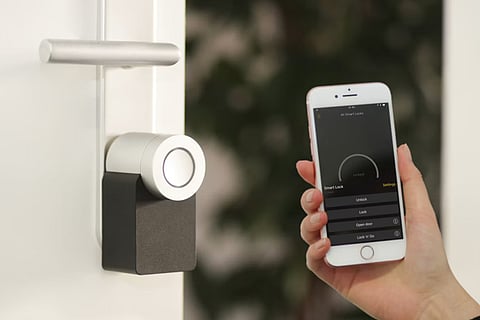
Inside the residence, connected controls can prepare lighting and climate settings before someone arrives. A documented intelligent home experience shows how centralized control can make sophisticated home systems easier to operate. Readers exploring the wider design possibilities can also review this guide to tech and gear.
Automation needs a clear fallback plan. Staff should know how to log deliveries during an outage, contact residents when alerts fail and manage arrival queues when a mobile request doesn’t appear. Test those backup procedures every quarter so they remain familiar.
High-end residential technology handles sensitive details, including names, unit numbers, access permissions, service histories and household preferences. Each category should have a defined business purpose and a retention period. Collecting extra information because it might become useful later adds risk without improving current service.
Role-based access offers a practical starting point. A valet attendant may need a vehicle request and arrival time but not billing records. An engineer assigned to a repair needs the unit number and issue description but may not need access to unrelated concierge notes. Management should review permissions when an employee changes roles and remove access immediately when someone leaves the property.
The same discipline applies to connected-home features. Some assisted living technologies demonstrate how sensors, communication tools and environmental controls can support comfort and independence. In any residential setting, residents need to understand what a device records, who receives the information and how they can disable optional features.
Access logs should capture when a credential was issued, used and revoked. Temporary credentials for guests or service providers should expire automatically after the approved window. Physical keys still require documented sign-out and return procedures, even when the property uses mobile credentials elsewhere.
Managers should also prepare a direct explanation of their privacy practices. Keep it specific: list the data collected, the reason for collecting it and the people permitted to view it. Clear language builds trust more effectively than a lengthy policy filled with technical terms.
The best residential systems fade into the background while helping employees deliver thoughtful, accurate service. Success becomes visible in small details: the concierge has the correct update, the package reaches the right residence and temporary access ends exactly when scheduled. That consistency is what allows technology to feel less like infrastructure and more like an extension of five-star hospitality.
Inspired by what you read?
Get more stories like this—plus exclusive guides and resident recommendations—delivered to your inbox. Subscribe to our exclusive newsletter
The products and experiences featured on RESIDENT™ are independently selected by our editorial team. We may receive compensation from retailers and partners when readers engage with or make purchases through certain links.