
- Locations
- Interviews
- Luxury Home
- Luxury Lifestyle
- Luxury Travel
- Luxury News
- Events
- More
- Magazine

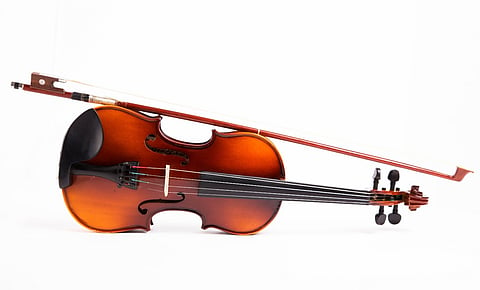
Shopping for a new violin is an exciting journey. You want an instrument that sounds clear, feels comfortable, and matches your individual playing style perfectly. Finding the right match requires careful patience, thorough research, and a keen ear for subtle acoustic details.
With many options available on the market, the selection process can feel confusing. Read this blog to explore what you must carefully compare when upgrading your classical musical equipment today.
Violins produce a unique voice that separates them from the rest of the orchestral pack. Some resonate with deep, warm undertones, while others project bright, sharp high notes that cut through ensembles. When you browse premium violins, you must test how their specific sound matches your personal taste.
You should play identical scales on multiple models to hear the subtle tonal differences clearly. Listen closely to how the sound projects across a large rehearsal room during your practical playing test. A great instrument will produce rich, complex tones without forcing you to press hard on the strings.
The specific wood used dictates both the physical lifespan and the final acoustic resonance of the instrument. Master makers traditionally use aged European tonewoods to achieve a highly sought-after classical concert sound.
Here are the crucial material components you must compare when examining different models in the music shop:
Solid Spruce Tops: They provide the precise flexibility needed for loud, clear, and resonant acoustic projection
Flamed Maple Backs: Offer structural strength while adding highly desirable visual tiger stripes to the body
Real Ebony Fittings: Ensure your tuning pegs and fingerboards endure decades of friction from daily playing
Quality Oil Varnish: Protect the delicate wood while allowing the hollow body to vibrate unhindered
A great-sounding instrument is virtually useless if it causes you physical pain while you practise your repertoire daily. The thickness of the wooden neck must perfectly match the natural curve and size of your hand. If the string height is set too high at the bridge, your fingers will quickly blister.
You must gently run your hand along the back of the neck to feel for any sticky friction. The entire setup should make shifting between complex musical positions feel effortless and completely fluid. Prioritise physical comfort so you can practise for hours without experiencing frustrating wrist cramps.
Playing an incorrectly sized model will ruin your posture and severely stunt your technical musical progress. Children physically outgrow their beginner models fast, requiring constant upgrades to prevent painful playing habits from forming.
Consider these vital sizing rules to ensure you select the perfect fit for your body:
Measuring Arm Length: You must comfortably cup the scroll with a slightly bent, relaxed left arm
Checking Neck Strain: Hold the chinrest firmly without contorting your neck or hunching over
Reviewing Hand Span: You must reach the lowest notes without painfully stretching your little finger across strings
Upgrading for Growth: Actively plan to upsize fractional models as young students grow taller annually
Musical instruments span a wide price range, from mass-produced factory models to priceless antique masterworks. Spending slightly more on a crafted student model often saves money on future structural repairs and adjustments.
Remember that the base retail price rarely includes high-quality horsehair bows and protective hard cases. You must factor these mandatory accessories into your total shopping budget before making final purchasing decisions.
Finding your ideal musical companion requires carefully comparing tone, building materials, and physical playing comfort. Rushing this important decision often leads to buyer's remorse and frustrating daily bedroom practice sessions. Taking your time ensures you secure an instrument that continually inspires you to play beautifully every single day.
You deserve a reliable instrument that elevates your technique and powerfully projects your unique musical voice. Start comparing these crucial acoustic elements today to confidently find your perfect musical match without stress.