
- Locations
- Interviews
- Luxury Home
- Luxury Lifestyle
- Luxury Travel
- Luxury News
- Events
- More
- Magazine

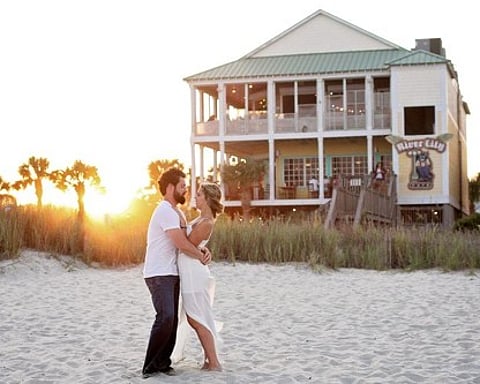
The best beach vacations tend to look effortless once they begin, but that usually comes from making a few smart decisions beforehand. Isle of Palms, South Carolina, gives travelers plenty of room to build that kind of trip around the shoreline; the city has approximately seven miles of beach available for swimming, walking, fishing, biking, and other coastal activities. Whether the plan involves a family getaway, a few days with friends, or simply slowing down near the water, choosing the right accommodation, pace, and budget can make the difference between a restful escape and a surprisingly exhausting one.
Before choosing accommodation or filling a calendar, think about the experience you actually want.
Some travelers want to wake up, walk straight to the beach, and spend almost every hour near the water. Others care more about having a private pool, a large kitchen, quiet outdoor space, or enough bedrooms that nobody is sleeping on a sofa by the third night.
The people traveling with you should influence those priorities. A couple may happily trade extra space for convenience, while a larger family may care much more about bathrooms, laundry facilities, parking, and separate areas where people can unwind.
It also helps to think about how much time you realistically expect to spend inside the property. A rental packed with amenities may be worthwhile if the group plans to cook, swim, and relax there frequently. If most days will be spent outside, paying significantly more for features nobody uses makes less sense.
A good beach trip starts with matching the accommodation to your habits instead of an imagined version of vacation life.
Photos can make almost any vacation home look appealing. The floor plan and practical details usually matter more once everyone arrives.
When comparing Isle of Palms SC rental houses, iTrip provides options suited to different group sizes and vacation styles. Beyond appearance, look carefully at bedroom arrangements, bathrooms, kitchen facilities, laundry access, parking, outdoor areas, and how easily everyone can move through the property.
Think through a normal vacation day. Where will wet towels go? Is there enough refrigerator space for a group? Can early risers make coffee without waking everyone? Is there somewhere to sit outside when people want a break from the beach?
These details rarely look exciting in listing photographs, but they determine how comfortable the stay feels.
The best rental is not necessarily the largest or most elaborate. It is the one that removes friction from the daily routine.
There is a strange temptation to fill every vacation day simply because free time feels valuable.
That can quickly turn a break into another demanding schedule.
A beach trip usually works better when there are only a few fixed plans. Leave mornings flexible, allow longer lunches to happen naturally, and avoid arranging activities back-to-back unless the group genuinely enjoys traveling that way.
Recent vacation-planning research and advice published by Forbes notes that excessive planning can contribute to vacation stress and suggests focusing first on the essentials rather than trying to control every detail.
That approach suits a coastal trip particularly well. Weather changes. People sleep later than expected. Someone decides they would rather read by the water than follow the afternoon itinerary.
Those are not disruptions. They are often the reason the trip feels like a vacation.
A loose rhythm usually works better than a detailed timetable: active mornings, slower afternoons, and evenings that can change depending on everyone’s energy.
Warm weather naturally attracts attention when planning a beach break, but temperature is only part of the timing decision.
Peak travel periods can mean higher accommodation costs, more limited availability, heavier traffic, and busier restaurants. Traveling slightly outside those periods may create a noticeably calmer experience while still providing enjoyable weather.
Your own schedule matters just as much. Families often have to plan around school calendars, while groups of adults may have more flexibility to travel during quieter weekdays or shoulder periods.
Also consider how long the trip should be.
A short getaway does not need an ambitious list of activities. If you only have a few days, reducing travel between attractions and keeping plans simple often makes the time feel longer.
For a full week, building in slower days becomes even more important. Nobody needs seven consecutive mornings that begin with an alarm.
The headline rental price is rarely the complete vacation budget.
Accommodation fees, groceries, meals, transportation, equipment rentals, insurance, and spontaneous spending can collectively change the cost of a trip quite dramatically.
Instead of trying to predict every dollar, divide the budget into broad categories before traveling. Know roughly what accommodation will cost, how often the group expects to eat out, whether additional transportation is necessary, and which experiences are worth paying extra for.
Food is one of the easiest areas to manage without making the trip feel restrictive. Breakfast and simple lunches at the rental can balance out more expensive dinners. Keeping drinks and snacks available can also prevent repeated convenience purchases throughout the day.
For groups, decide beforehand how shared expenses will work. Sorting out groceries, meals, and miscellaneous costs before arrival is far easier than reconstructing everyone’s spending afterward.
Planning money in advance gives you more freedom to enjoy spending it.
Overpacking creates its own kind of inconvenience.
Beach trips generally require fewer complicated outfits and more practical basics: comfortable clothing, swimwear, sun protection, footwear that can handle sand and water, chargers, reusable bags, and anything the group genuinely needs every day.
Before packing bulky items, check what the rental already provides. Towels, chairs, kitchen equipment, hair dryers, and similar basics can take up unnecessary luggage space if they are already waiting at the property.
Try to pack for the trip you have planned rather than every situation that could theoretically happen.
The same principle applies to groceries. Buying an entire week of food immediately after arrival can lead to waste if the group later decides to eat out more often than expected. Starting with breakfast staples, snacks, drinks, and ingredients for a couple of meals gives the schedule room to evolve.
Packing lighter makes arrival easier and departure considerably less painful.
Group trips become much easier when everyone stops expecting the entire group to do everything together.
Some people genuinely enjoy spending hours on the beach. Others want shade after an hour. Someone may wake up early for a walk while another person considers anything before 10 a.m. unreasonable.
None of that needs fixing.
Recent family-vacation guidance from Forbes emphasizes involving travelers in planning and building downtime into a trip rather than trying to keep everyone constantly occupied.
Giving people some independence reduces the pressure to create activities that satisfy every personality at once.
Plan a few shared experiences that matter, such as dinners or relaxed evenings together, and allow smaller groups to form during the day. People usually return happier when they have been able to follow their own energy for a while.
Accommodation is sometimes treated as little more than somewhere to sleep, but a good beach rental can add significantly to the experience.
Slow breakfasts, conversations outside, quiet afternoons, shared dinners, and evenings spent doing very little are often among the most memorable parts of a trip.
That is another reason practical spaces matter.
A comfortable common area encourages people to spend time together without needing another activity. A usable kitchen makes casual meals easier. Outdoor seating provides somewhere to enjoy the atmosphere when nobody feels like going anywhere.
You do not need to maximize every hour simply because you traveled somewhere.
Sometimes getting good value from a vacation home means actually staying there.
A successful beach escape is not measured by how many things you managed to fit into it.
It is measured by whether the trip felt easy enough to enjoy.
Choosing accommodation that fits the group, leaving room in the itinerary, understanding the real budget, and accepting that not everyone vacations the same way can eliminate much of the stress people accidentally bring with them.
Planning still matters. It simply works best when it creates freedom rather than another schedule to maintain.
Make the important decisions before arrival, keep the rest flexible, and leave enough empty space for the trip to develop naturally. The result is usually a vacation that feels less like something you successfully completed and more like the break you actually needed.
Inspired by what you read?
Get more stories like this—plus exclusive guides and resident recommendations—delivered to your inbox. Subscribe to our exclusive newsletter
The products and experiences featured on RESIDENT™ are independently selected by our editorial team. We may receive compensation from retailers and partners when readers engage with or make purchases through certain links.