
- Locations
- Interviews
- Luxury Home
- Luxury Lifestyle
- Luxury Travel
- Luxury News
- Events
- More
- Magazine

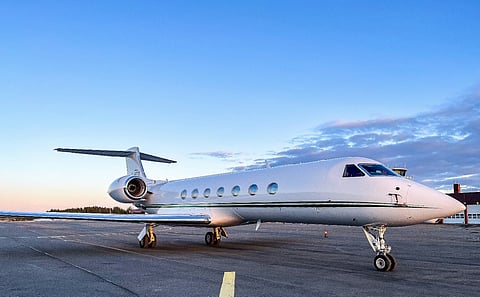
Owning a private jet is a significant investment that requires careful planning, financial preparation and an understanding of the aviation industry. For first-time buyers, the journey involves more than selecting an aircraft and negotiating its purchase price. From evaluating aircraft specifications to understanding operational expenses, every decision can influence the long-term value and practicality of ownership.
A well-planned aircraft acquisition process helps prospective owners identify suitable aircraft, assess their financial commitments and understand the responsibilities associated with private aviation. Whether the intention is to support corporate travel, accommodate personal journeys or establish an aviation asset, understanding the fundamentals of aircraft ownership is essential before making a purchase.
Before exploring aircraft available on the market, buyers should establish exactly what they expect from their investment. The intended purpose of the aircraft will influence its size, performance, range and overall operating costs.
Consider the following factors:
Travel frequency: How often will the aircraft be used throughout the year?
Passenger capacity: How many passengers will typically travel on each journey?
Flight destinations: Will the aircraft operate primarily on regional routes or international journeys?
Luggage capacity: How many bags do you typically travel with?
Cabin requirements: Are additional facilities, sleeping arrangements or dedicated workspaces necessary?
Operational budget: How much can be allocated towards purchasing, maintaining and operating the aircraft?
For example, a business executive travelling frequently between regional destinations may find a light or midsize jet sufficient. Buyers requiring intercontinental connectivity may need a long-range aircraft with greater passenger capacity.
Establishing these requirements early helps narrow down the available options and makes the purchasing process more efficient.
Selecting the appropriate aircraft is one of the most important stages of the purchasing journey. Different aircraft categories offer varying levels of performance, passenger capacity and range.
These aircraft are generally designed for shorter journeys and smaller passenger groups. They are suitable for regional business travel and destinations with relatively short flight distances.
Offering additional cabin space and greater range, these aircraft are popular among corporate travellers. They provide a balance between operational efficiency, passenger comfort and performance.
Heavy jets accommodate more passengers than midsized options and are designed for longer journeys. Their spacious cabins and enhanced onboard facilities make them suitable for international business travel.
These aircraft are designed for intercontinental operations and extended flight distances. Depending on the model and operating conditions, they can connect destinations across continents with fewer or no intermediate stops.
Comparing these categories allows buyers to identify aircraft that match their travel requirements without paying for capabilities they may rarely use.
Another important consideration during aircraft acquisition is deciding whether to purchase a new or pre-owned aircraft. Both options offer distinct advantages depending on the buyer's priorities and available budget.
Purchasing a new aircraft provides access to the latest aviation technology, modern avionics, updated safety systems and manufacturer warranties. Buyers may also have greater flexibility when selecting cabin interiors, seating configurations and onboard facilities.
However, new aircraft generally involve higher initial costs and potentially longer delivery timelines.
Pre-owned aircraft can offer a more accessible entry point into private aviation. Buyers can explore established models with different specifications, operating histories and price points.
However, the aircraft's technical condition requires particular attention. Maintenance records, engine hours, previous usage, component history and upcoming inspections should all be reviewed before completing a purchase.
An independent pre-purchase inspection is essential to identify potential technical issues and understand any additional maintenance requirements.
The aircraft purchase price represents only one part of the financial commitment. First-time buyers should account for the recurring expenses associated with operating and maintaining their aircraft.
Some of the major costs include:
Maintenance: Scheduled inspections, engine servicing, component replacements and unexpected repairs.
Crew expenses: Pilot and crew salaries, training and other personnel-related costs.
Insurance: Appropriate aircraft hull and liability coverage.
Hangar facilities: Storage, parking and airport-related charges.
Fuel: Consumption varies depending on aircraft specifications, flight distance and operating conditions.
Operational charges: Navigation, ground handling, landing and other aviation-related fees.
Additional considerations may include financing costs, registration, taxes and depreciation.
Preparing a detailed ownership budget before purchasing helps buyers understand the long-term financial implications and avoid unexpected expenditure.
An aircraft may appear suitable based on its cabin design or advertised range, but its technical specifications must also support the intended operations.
Important factors to evaluate include:
Flight range: Determines the distances an aircraft can cover under specific operating conditions, including passenger load and fuel reserves.
Cruising speed: Influences journey duration and overall travel efficiency.
Payload capacity: Establishes how much passenger and luggage weight the aircraft can accommodate.
Runway requirements: Determines which airports the aircraft can access based on runway length and other operating limitations.
Engine condition: Engine performance, maintenance history and remaining time before major inspections can significantly influence ownership costs.
Avionics and technology: Modern navigation and communication systems contribute to operational capabilities and regulatory compliance.
A comprehensive technical evaluation ensures that the aircraft is appropriate for its intended routes and operational requirements.
Aircraft ownership involves legal and regulatory responsibilities that vary depending on the registration jurisdiction and intended use.
Before finalising an acquisition, buyers should understand the documentation required for ownership transfer, aircraft registration and airworthiness compliance.
International transactions may involve additional considerations, including import procedures, taxation, financing arrangements and cross-border regulatory requirements.
The registration jurisdiction should be evaluated carefully, particularly when the aircraft will operate across multiple countries.
Working with qualified aviation professionals can help buyers navigate these requirements and avoid unnecessary complications during the purchasing process.
Acquiring an aircraft is only the beginning of the ownership journey. Owners must also establish how the aircraft will be maintained, operated and managed.
Aircraft management services can coordinate essential responsibilities such as crew arrangements, maintenance planning, flight operations, insurance and regulatory compliance.
For owners who fly less frequently throughout the year, placing their aircraft under an AOC for charters may also be worth considering.
Subject to the relevant regulatory approvals and operating arrangements, an aircraft can be made available for third-party charter flights. Revenue generated through these operations may help offset certain ownership expenses.
Understanding these options during the aircraft acquisition process allows buyers to consider ownership as a long-term operational decision rather than simply a one-time purchase.
Purchasing an aircraft involves technical, financial and legal considerations that require specialised industry knowledge. First-time buyers may find it challenging to independently evaluate aircraft specifications, assess maintenance records or navigate international purchasing procedures.
Experienced aviation professionals can assist with identifying suitable aircraft, reviewing available market opportunities, coordinating technical inspections and facilitating transaction requirements.
Their support can also help buyers compare different aircraft models and understand the implications of ownership before committing to a purchase.
Having professional guidance throughout the process makes it easier to approach aircraft ownership with realistic expectations and a clearer understanding of the responsibilities involved.
Private jet ownership can provide greater control over travel arrangements, scheduling and long-term aviation planning. However, making the right investment requires more than choosing an aircraft based on its appearance or purchase price. Buyers must consider operational requirements, technical condition, financial commitments and ongoing management responsibilities.
For individuals and businesses exploring aircraft acquisition, RightJet offers specialised services across aircraft sales and acquisition, private jet charter, aircraft management and charter management. With expertise across different areas of private aviation, RightJet supports buyers and aircraft owners in identifying suitable solutions for their aviation requirements.
Inspired by what you read?
Get more stories like this—plus exclusive guides and resident recommendations—delivered to your inbox. Subscribe to our exclusive newsletter
The products and experiences featured on RESIDENT™ are independently selected by our editorial team. We may receive compensation from retailers and partners when readers engage with or make purchases through certain links.