
- Locations
- Interviews
- Luxury Home
- Luxury Lifestyle
- Luxury Travel
- Luxury News
- Events
- More
- Magazine

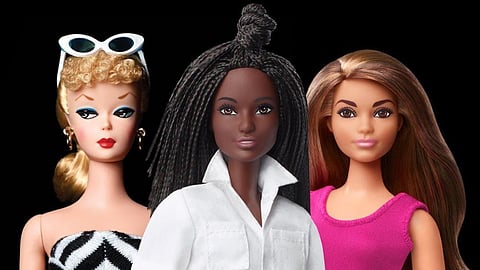
Barbie: A Cultural Icon Exhibition debuted at New York City's Museum of Arts and Design in 2024, marking a milestone for the iconic doll. Celebrating 65 years of influence, the exhibit features over 250 vintage dolls, rare prototypes, iconic fashion looks, and interactive displays that trace Barbie’s global fashion legacy. Visitors explore milestone moments, from original 1959 dolls to collaborations with major designers, and see how Barbie’s wardrobe reflects changing trends. Barbie is more than just a toy; she represents imagination, aspiration, and evolving cultural values. The exhibition examines how Barbie has both reflected and influenced society over the decades. Barbie has a unique history beyond being a popular toy—she sparks discussion. For those who missed the NYC showing, the exhibition is now at the New York State Museum in Albany until March 8. Accessible via a short Amtrak ride, Barbie provides a great reason to visit New York’s capital.
Ruth Handler, Mattel's co-founder, created Barbie after noticing her daughter Barbara’s toys only encouraged caregiving, unlike her son's aspirational toys that imagined him as a doctor, firefighter, or astronaut.
Barbie quickly embraced career-themed dolls. The 1960s saw more women in the workforce as nurses, secretaries, flight attendants, and even the first and only woman to complete a solo trip in space.
We also saw the first lady of fashion, Jackie Kennedy, in chic clothing, and Barbie created clothing that resembled what she would wear.
In 1968, Mattel introduced Christie, their first Black doll, during the civil rights movement. She and Barbie became great friends at a time when the country was dealing with racial equality.
In the 1970s, Barbie reflected expanded opportunities for women pursuing higher education, sports, and new fashions such as maxis, midis, and minis.
The 1980s brought bold self-expression, glamour, and the narrative that more is more. Shows like Dynasty dominated television. We also saw the first fashion partnership with Dominican Republic designer Oscar de la Renta, whose dresses reflected this trend.
Americans explored other cultures and embraced diversity. Barbie achieved this by launching international dolls with distinct styles from around the world.
Since Barbie's conception in the late 1950s, Mattel has introduced several dolls representing people of color. It wasn’t until 1980 that Barbie released the first Black and Hispanic dolls with the actual Barbie name.
In the 1990s, Barbie reflected street style and subcultures, including Hip Hop and Goth. In 1997, Share a Smile Becky, Barbie’s first wheelchair-using doll, debuted. She was discontinued shortly after because her wheels didn’t fit through the Barbie Dreamhouse. She was reintroduced in 2021. 1992 marked the first Barbie presidential campaign, following a notable year for women in the Senate.
We also saw a collection from fashion designer Bob Mackie.
Through the 2000s, Barbie continued setting trends with dolls modeled after influential women.
Barbie also collaborated with designers such as Karl Lagerfeld, Versace, and Coach.
In 2020, Mattel released a limited-edition doll honoring renowned artist Jean-Michel Basquiat—her clothes were made by replicating his actual paintings.
Today, Barbie offers over 35 skin tones, 94 hair types, and 9 body types, making the doll relatable to visitors of all ages.
For a day trip, we recommend starting on the 69 Adirondack or 63 Maple Leaf, both departing Moynihan Penn Station at 7:15 a.m. and arriving at 9:50 a.m. We recommend sitting on the left-hand side of the train for the scenic route up the Hudson River. There you will see nine bridges, including the George Washington Bridge, the Mario M. Cuomo Bridge, the Bear Mountain Bridge, and others.
When you arrive at the station, the New York State Museum is a 10-minute Uber ride away. The museum is free, and the Barbie exhibition is by donation. The Barbie experience will take about one hour to view. There will be plenty of time to view the rest of the museum, which is a center for art, science, and history dedicated to exploring New York State. It is the oldest and largest state museum in the country.
Within walking distance from the museum is Center Square. The neighborhood features some of the city's most significant and beautiful architecture. There, you will find restaurants like Dove And Deer and Iron Gate. You will also find wonderful shops, such as Elissa Halloran Designs. There is also Washington Park if you feel like taking a quick stroll.
When heading back down the Hudson, we suggest the 4:10 train, which offers a private room with dinner, including dessert and drinks. There, you can view the sunset privately.
With Black History Month in full swing, we suggest visiting Harlem Fine Arts this weekend at The Glass at The Glasshouse NYC. Now in its 18th year, HFAS18 has a bold vision. The Harlem Fine Arts Show (HFAS) is the largest traveling African Diasporic art show in the United States since 2009. It has welcomed over 80,000 visitors, traveled to 10+ cities, and showcased 100+ artists and galleries.
We spoke with Rodney Love Jones, the Visual Arts District Liaison, about this year's event, and this is what he shared: Attending this event offers a chance to connect with vibrant cultural expressions and celebrate community achievements, fostering a sense of pride and belonging among attendees.
The Harlem Fine Arts Show has grown significantly, drawing younger collectors and contemporary artists while expanding cultural and corporate partnerships. This year’s edition, themed Art for Technology, spotlights innovation and cultural stewardship through immersive experiences, dynamic panels, and a fireside chat.
Inspired by what you read?
Get more stories like this—plus exclusive guides and resident recommendations—delivered to your inbox. Subscribe to our exclusive newsletter
The products and experiences featured on RESIDENT™ are independently selected by our editorial team. We may receive compensation from retailers and partners when readers engage with or make purchases through certain links.