
- Locations
- Interviews
- Luxury Home
- Luxury Lifestyle
- Luxury Travel
- Luxury News
- Events
- More
- Magazine

Parking areas often waste valuable space without proper planning. Commercial properties face rising demand for more parking spots every year. Strategic striping layouts solve this challenge effectively. They turn limited pavement into highly usable areas.
Smart markings increase capacity while improving safety and flow. Property managers gain better parking space efficiency without buying extra land. Good design reduces driver frustration and supports smoother daily operations. These layouts deliver real value for busy commercial sites.
Reliable parking lot striping services bring expert knowledge to every project. They measure spaces accurately and recommend optimal patterns. Their experience helps avoid costly mistakes in layout design.
Strategic striping layouts create clear order across any parking area. They guide vehicles and protect every square foot of pavement. Proper markings turn chaotic lots into organized spaces.
Markings set firm boundaries for each parking stall. They separate drive lanes from walking paths clearly. Parking lot striping prevents random parking that wastes space. Drivers follow visible lines without confusion. This structure keeps the entire lot neat and functional at all times.
Well-planned strategic striping layouts align stalls with traffic paths. They reduce sharp turns and sudden stops. Smooth traffic flow cuts down on backups during busy hours. Vehicles move in and out faster. This connection improves overall lot performance significantly.
Clear lines help visitors locate empty spots quickly. Drivers spend less time circling the lot. Parking space efficiency rises when navigation feels simple. Happy users return more often to the property. Poor markings create stress and negative experiences instead.
Different striping options serve unique purposes in parking areas. Choosing the best method supports long-term space utilization. Each type offers specific strengths for commercial needs.
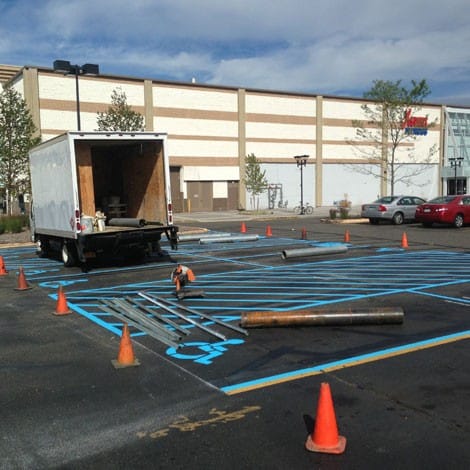
Pavement Striping: Pavement striping creates stall lines and aisle markings directly on the surface. It defines individual parking spaces with precision. Parking lot striping of this type handles daily wear well. Clear edges prevent vehicles from overlapping spots.
Road Striping: Road striping marks main access roads and outer boundaries. It guides traffic entering and leaving the lot safely. Bold lines direct vehicles toward the correct lanes from the start. This method maintains order at entry points effectively.
Restriping: Restriping refreshes faded or worn markings regularly. It restores full visibility and order to the lot. Faded lines cause drivers to park inefficiently. Timely restriping brings back maximum space utilization quickly.
Asphalt Striping: Asphalt striping applies standard paint formulas suited to asphalt surfaces. It offers good visibility at a lower initial cost. Regular touch-ups maintain appearance and function. This option works well for moderate traffic areas.
Thermoplastic Striping: Thermoplastic striping uses durable plastic material that bonds to pavement. It lasts three to seven years in heavy traffic. This method resists fading and cracking better than paint. Thermoplastic striping keeps lines bright for longer periods.
Site traffic volume and climate influence the best choice. Budget and expected lifespan also matter greatly. Professional parking lot striping services recommend ideal materials. They balance cost with durability for each property.
Smart planning with strategic striping layouts extracts more spots from existing pavement. It eliminates wasted areas between rows and around edges. Property managers unlock hidden capacity this way.
Standard stalls measure nine feet wide by eighteen feet long. Slight adjustments in spacing prevent door damage while saving room. Optimized dimensions add several extra spots per row. Space utilization improves without reducing driver comfort.
Angle parking at sixty degrees allows narrower aisles and easier entry. Perpendicular ninety-degree parking fits more vehicles in open rectangular areas. Each layout suits different lot shapes. Angle parking often excels in tight or irregular spaces.
Double-loaded aisles minimize gaps between opposing rows. Precise parking lot striping removes dead zones where cars park awkwardly. Tighter but safe spacing increases total usable capacity noticeably.
Combine one-way lanes with angled stalls for maximum density. Herringbone patterns work especially well in compact lots. These configurations can boost spot count by up to twenty percent. Strategic striping layouts make high-capacity designs practical and safe.
Efficient markings keep vehicles moving smoothly throughout the day. Strategic striping layouts prevent unnecessary delays and driver irritation. Good flow supports higher turnover in busy commercial areas.
One-way lanes pair perfectly with angled parking for fast circulation. Two-way lanes need extra width but offer flexibility. Clear traffic flow markings guide drivers correctly from the start.
Multiple well-marked entrances spread incoming traffic evenly. Visible arrows direct vehicles toward open sections immediately. This planning reduces long lines at single access points.
Adequate lane widths of twelve to twenty-four feet allow easy turns. Generous radii prevent vehicles from scraping curbs or stalling. Proper dimensions support confident maneuvering at all times.
Safety rises dramatically with clear and thoughtful markings. Strategic striping layouts protect both drivers and pedestrians every day. Visible lines reduce accidents in crowded parking areas.
Arrows and symbols show correct travel directions plainly. They separate vehicle paths from walking routes effectively. Everyone moves with greater confidence and awareness.
Bold stall lines discourage risky parking maneuvers. Clear boundaries prevent vehicles from backing into each other unexpectedly. Lower collision risks create a safer environment overall.
Bright crosswalks connect parking spots to building entrances safely. They keep pedestrians visible to approaching drivers at all times. Integrated walkways enhance protection for foot traffic.
Faded lines slowly destroy the benefits of good layout design. Regular care preserves parking space efficiency year after year. Consistent maintenance protects your initial investment effectively.
Drivers ignore faded boundaries and park outside designated areas. This habit wastes spots and creates unsafe gaps. Fresh markings restore full functionality immediately.
Most lots need restriping cycles every twelve to twenty-four months. High-traffic sites may require annual attention. Climate and usage levels affect exact timing.
New asphalt surfaces demand fresh parking lot striping right away. This step realigns markings with optimized layouts. Immediate restriping restores maximum space utilization without delay.
Strategic striping layouts transform ordinary parking areas into efficient high-capacity zones. They boost parking space efficiency, smooth traffic flow, and enhance safety at once. Property managers enjoy more usable spots without costly expansions.
Regular maintenance keeps these advantages strong over time. Professional parking lot striping services deliver accurate measurements and durable results. Invest in smart striping today. Your commercial property will gain better performance and a stronger appeal for many years ahead.
How often should parking lot striping be redone?
Commercial lots usually need restriping every twelve to twenty-four months. Heavy traffic or sun exposure shortens this interval. Check line visibility monthly. Timely work maintains clear order and full space capacity.
What layout design is most space-efficient for commercial parking areas?
Ninety-degree perpendicular parking often maximizes spots in open lots. Sixty-degree angled layouts perform better in narrow or irregular spaces. One-way traffic pairs well with angled designs. Site shape determines the optimal choice.
Does striping really increase the number of available parking spots?
Yes. Precise strategic striping layouts eliminate wasted gaps between stalls. Optimized spacing can add up to twenty percent more functional spots. Clear markings prevent inefficient parking habits effectively.
Inspired by what you read?
Get more stories like this—plus exclusive guides and resident recommendations—delivered to your inbox. Subscribe to our exclusive newsletter
The products and experiences featured on RESIDENT™ are independently selected by our editorial team. We may receive compensation from retailers and partners when readers engage with or make purchases through certain links.