
- Locations
- Interviews
- Luxury Home
- Luxury Lifestyle
- Luxury Travel
- Luxury News
- Events
- More
- Magazine

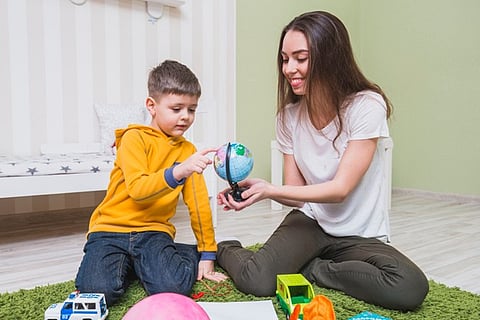
Early childhood lays the groundwork for lifelong development. These early years are crucial for all aspects of development, particularly due to what we know about how quickly children are developing as thinkers, feelers, and social beings. It is important to support their development during this time. They generally provide specialized structure and behavioral interventions for preschool-age children, facilitating their stability and success.
Every child has their rate of development, but some difficulties or delays may be a sign to seek additional support. Pediatric behavioral services address issues such as problems with focus, communication, or self-regulation. Intervening as early as possible prevents minor challenges from blossoming into larger hurdles in adulthood. Catching problems early builds skills and confidence. Choosing Scottsdale Pediatric Behavioral Services ensures families gain access to expert strategies that nurture growth and resilience in children.
Even young children struggle to put their feelings into words. Children learn to identify and cope with emotions through behavioral specialists. Children learn about calming techniques and recognize emotions through activities and play. In the sessions, the therapists promote positive interaction, which creates a sense of safety and value for the child. It helps them navigate friendship and pick apart family relationships when children know how they feel.
Building friendships and collaborating with peers are cornerstones of early education. Be mindful that some children can have difficulty sharing, cooperating with others, and waiting their turn. Pediatric behavioral services are also available to provide structured group activities to promote these skills in a more formal environment. Kids learn to get along and negotiate conflict with kindness.
Communication is vital for learning and interaction. For children who find it difficult to express themselves, it can be stressful or cause them to withdraw into a shell. The behavioral specialists also aid in developing verbal language by giving simple commands for children to follow out loud, modeling conversations with children, and encouraging them to vocalize their needs and ideas. Children are making an effort to listen, ask questions, and communicate stories.
Others have behaviors that make simple tasks like leaving the house chaotic, frequent tantrums, refusal to follow instructions, or not being able to stop moving. Pediatric behavioral specialists look at what drove this behavior. Their approach involves working with families to set realistic goals and maintain routines. Children learn proper behavior through positive reinforcement and clear expectations.
Family involvement is crucial for effective behavioral support for pediatrics. Such work is done by professionals in the field who come along with the parents and caregivers and provide them with practical suggestions and support. Professionals teach families how to foster their children's growth using tools such as visual schedules, calming practices, and positive reinforcement.
School transition excitement vs. uncertainty. This is where pediatric behavioral services come in, helping children prepare for the transition by developing the skills necessary for the classroom. They learn to participate in turn-taking, waiting for a signal to respond, and how to request assistance when necessary. Daily routines of sitting together for group activities, cleaning up, etc., are practiced to encourage independence.
Pediatric behavioral health has such a positive effect, stretching well into adulthood. Kids with healthy emotional, social, and communication skills grow up and meet the future. Having early support promotes resilience, adaptability, and a healthy self-image. These traits assist children in building strong relationships, managing stress, and achieving academic success. Quality investment in behavioral.
All children are entitled to a comprehensive early life. Abstract Pediatric behavioral services provide essential resources to enable children to achieve their highest potential. When the emotional, social, and behavioral needs of children and families are met at an early stage, most children and families learn lifelong skills. Some kids do not pick up these life skills until later in life, if at all, and even with this late support, the outcomes are
Inspired by what you read?
Get more stories like this—plus exclusive guides and resident recommendations—delivered to your inbox. Subscribe to our exclusive newsletter
The products and experiences featured on RESIDENT™ are independently selected by our editorial team. We may receive compensation from retailers and partners when readers engage with or make purchases through certain links.