
- Locations
- Interviews
- Luxury Home
- Luxury Lifestyle
- Luxury Travel
- Luxury News
- Events
- More
- Magazine

Sleep apnea touches the lives of millions worldwide, robbing people of rest and quietly damaging their health over time. CPAP machines have served as the go-to solution for decades, yet plenty of users find them noisy, awkward, or hard to stick with. Sleep specialists are increasingly pointing patients toward dental devices as a workable second path. This piece looks at why these appliances have become a strong option for anyone hoping to sleep better without bulky equipment.
Obstructive sleep apnea happens when the muscles at the back of the throat collapse during rest, cutting off airflow and forcing breathing to stop. Such pauses can repeat hundreds of times in a single night, dropping oxygen levels and putting heavy strain on the heart. Left alone, the condition raises the odds of stroke, hypertension, type 2 diabetes, and slower thinking. Morning headaches, short tempers, and persistent tiredness usually signal that something below the surface needs attention.
These custom-made dental pieces gently shift the lower jaw forward, holding the airway open while a person sleeps. They look a lot like sports mouthguards but require precise fitting by trained dentists who use digital scans to map each mouth. Most wearers settle into the feel within seven to fourteen days, and the device tucks away discreetly behind the lips. Patients researching oral appliance therapy for sleep apnea tend to appreciate how the compact design slips easily into a regular bedtime routine, unlike larger machines. A properly fitted appliance can cut breathing interruptions sharply, with research showing results in mild and moderate cases that rival pressurized airflow systems for many people.
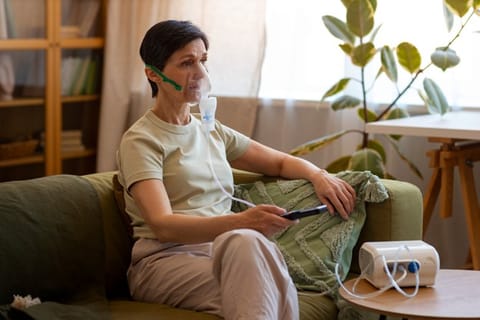
Continuous positive airway pressure machines deliver forced air through a mask that covers the nose, the mouth, or sometimes both. They do work well when worn faithfully, but studies indicate that anywhere from a quarter to half of users give up on the equipment within twelve months. Common gripes include facial sores, dry mouth, a closed-in feeling, and tension with sleeping partners. Trips become tricky since the unit needs an outlet and careful packing. Daily cleaning is another chore that prevents harmful germ growth.
Oral appliances solve many headaches tied to mechanical setups. Their benefits reach well beyond simple ease of use.
Wearers say they drift off faster without a humming motor or straps pressing against their cheeks. The device makes no sound at all, helping both the user and anyone nearby. Partners often share that snoring fades, and the bedroom feels peaceful again.
The whole appliance fits inside a small case and runs on nothing at all. Frequent flyers, weekend campers, and traveling professionals love this kind of independence. A backcountry trip no longer forces anyone to skip treatment.
Clinical studies show adherence numbers above 80 percent for dental devices, while pressurized systems hover near the 50 percent mark. Sticking with treatment naturally leads to stronger health gains as the months pass.
Care takes a quick scrub with mild soap each morning. There are no filters to swap, no tubes to disinfect, and no water tanks to top off.
Dental devices suit adults living with mild or moderate obstructive sleep apnea especially well. They also help people with severe cases who simply cannot tolerate forced airflow through a mask. Heavy snorers without a formal apnea diagnosis often see real improvement too. Good candidates need healthy teeth, sturdy gums, and a stable jaw to anchor the device safely. A sleep dentist can confirm the right fit by reviewing imaging, dental health, and prior sleep study findings.
Custom oral devices generally run between $1,800 and $3,000, a price that covers fitting and follow-up tweaks. Plenty of insurance plans pay a share once sleep apnea sits in the medical record. CPAP units carry similar starting prices but bring constant costs for fresh masks, hoses, and filters. Over a five-year stretch, dental therapy often comes out cheaper, especially after counting electricity use and supply replacements.
Results lean heavily on the skill of the fitting dentist. Patients should look for credentials from respected sleep medicine boards. A solid process starts with a baseline sleep study, includes detailed impressions, and steps the jaw forward gradually before a follow-up test confirms results. Drugstore mouthpieces ordered online lack proper calibration and can leave users with sore jaws or shifted teeth after extended wear.
Picking the right treatment for sleep apnea shapes everything from morning energy to long-term wellness. Dental appliances bring quiet, comfort, and portability to a routine that many people find easier to follow than mask-based therapy. Each situation is different, of course, so anyone wrestling with their current method should sit down with a qualified sleep dentist. Better rest is well within reach, and looking at modern alternatives often opens the door to lasting gains in health.
Inspired by what you read?
Get more stories like this—plus exclusive guides and resident recommendations—delivered to your inbox. Subscribe to our exclusive newsletter
The products and experiences featured on RESIDENT™ are independently selected by our editorial team. We may receive compensation from retailers and partners when readers engage with or make purchases through certain links.