
- Locations
- Interviews
- Luxury Home
- Luxury Lifestyle
- Luxury Travel
- Luxury News
- Events
- More
- Magazine
- Contact Us

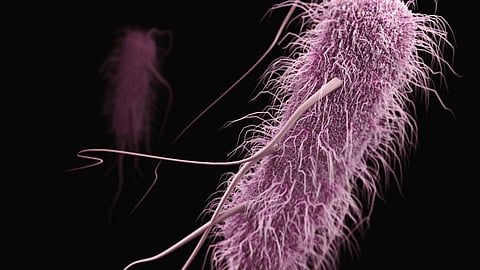
Not all E. coli bacteria cause illness. Some live normally in the intestines of people and animals. However, certain strains can make people seriously sick. Shiga toxin-producing E. coli, often called STEC, is one of the most concerning types because it can cause severe diarrhea, bloody stool, stomach cramps, and dangerous complications.
Consumers may be exposed through contaminated food, water, animal contact, or person-to-person spread. Ground beef, raw milk, leafy greens, sprouts, unpasteurized juices, contaminated water, and unsafe food handling have all been linked to E. coli concerns. When a serious infection may be connected to contaminated food, an E. coli infection attorney may review medical records, testing, exposure history, and the harm caused by the illness.
The term STEC refers to E. coli that produces Shiga toxin. This toxin can damage the lining of the intestines and may lead to serious illness. The infection may begin like ordinary food poisoning, but it can become much more dangerous.
Some people recover within several days. Others develop complications that require emergency care or hospitalization. This is why bloody diarrhea or severe stomach pain should never be dismissed as a routine stomach bug.
STEC symptoms may not appear right away after exposure. A person may feel well for several days before becoming sick, which can make the source harder to identify. Helpful details to review include:
Delayed symptoms: Diarrhea, cramps, nausea, vomiting, or fatigue may begin days after exposure.
Recent meals: Foods eaten before symptoms started may help identify a possible source.
Grocery purchases: Receipts, packaging, labels, or leftover food may provide useful clues.
Restaurants or events: Meals away from home or shared gatherings may need review.
Travel or animal contact: Farms, petting zoos, livestock, or travel history may be relevant.
Water exposure: Swimming, untreated water, or contaminated water sources may also matter.
A written timeline can help preserve important details while memories are still fresh.
One of the most concerning symptoms of STEC infection is bloody diarrhea. This can occur when the toxin irritates or injures the digestive tract. Severe cramping may also occur, sometimes without a high fever.
Anyone with bloody diarrhea should seek medical care. A stool test may help identify STEC and guide safer treatment decisions. Testing can also help public health officials identify possible outbreaks.
Diarrhea and vomiting can cause dehydration. Warning signs may include dizziness, dry mouth, weakness, dark urine, little urination, rapid heartbeat, or feeling faint. Children may have fewer wet diapers, cry without tears, or seem unusually sleepy.
Medical providers may recommend oral fluids or, in more serious cases, intravenous fluids. Early hydration is especially important for children and medically fragile patients. Severe dehydration can place stress on the kidneys and the entire body.
People often want quick relief from diarrhea, but STEC infections require caution. Certain anti-diarrheal medicines may increase the risk of complications because they slow the movement of the gut. Antibiotics may also be avoided in many STEC cases because of concerns about hemolytic uremic syndrome.
Patients should not guess about treatment. A medical provider should decide what is appropriate based on symptoms, test results, age, risk factors, and overall health. This is especially important when stool is bloody or symptoms are severe.
Hemolytic uremic syndrome, or HUS, is one of the most serious complications linked to STEC. It can damage red blood cells, reduce platelets, and affect the kidneys. In severe cases, it may lead to kidney failure, dialysis, long-term health problems, or death.
Warning signs may include decreased urination, unusual fatigue, pale skin, bruising, swelling, confusion, or worsening weakness after diarrhea begins. HUS is more common in young children and older adults, but anyone with concerning symptoms should be evaluated quickly.
Children can become dehydrated quickly and may have trouble explaining how they feel. Parents should watch for bathroom frequency, energy level, fever, stomach pain, fluid intake, and urine output.
A child with bloody diarrhea, repeated vomiting, severe pain, or reduced urination should receive medical attention. If STEC is suspected, parents should ask whether testing is needed and what symptoms require urgent follow-up.
Many people associate E. coli with undercooked ground beef, but STEC can also be linked to fresh produce, raw milk, soft cheeses made from unpasteurized milk, contaminated water, sprouts, and cross-contaminated kitchen surfaces.
Produce can become contaminated in fields, during processing, through irrigation water, or during handling. Consumers should wash hands, avoid cross-contamination, cook foods safely, and follow recall notices. However, even careful consumers can become sick when contaminated food enters the marketplace.
Cattle and other animals can carry STEC without appearing sick. Petting zoos, farms, fairs, and animal exhibits may create exposure risks, especially for children who touch animals, fences, bedding, or contaminated surfaces.
Handwashing after animal contact is important. Food and drinks should be kept away from animal areas. If illness follows farm or animal exposure, that detail should be shared with medical providers.
If contaminated food is suspected, consumers should save receipts, packaging, labels, lot numbers, delivery records, restaurant details, photos, and leftovers when safe. If others became sick after eating the same food, their names and symptom timelines may also help.
A written food history can be valuable. Include what was eaten, where it was purchased, when symptoms began, and when medical care was sought. These details can help trace the source of exposure.
Shiga toxin-producing E. coli can be dangerous because it may cause severe diarrhea, dehydration, and complications such as HUS. The infection should be taken seriously when symptoms are bloody, intense, prolonged, or affecting a child, older adult, or medically vulnerable person.
Prompt medical care, careful treatment decisions, testing, hydration, and documentation can all matter. When STEC causes serious harm, records of symptoms, exposure, lab results, and long-term effects can help show how the illness began and how deeply it affected the person’s life.
Inspired by what you read?
Get more stories like this—plus exclusive guides and resident recommendations—delivered to your inbox. Subscribe to our exclusive newsletter
The products and experiences featured on RESIDENT™ are independently selected by our editorial team. We may receive compensation from retailers and partners when readers engage with or make purchases through certain links.