
- Locations
- Interviews
- Luxury Home
- Luxury Lifestyle
- Luxury Travel
- Luxury News
- Events
- More
- Magazine

The moment a breast cancer diagnosis is confirmed, a cascade of decisions begins. The type of cancer, its stage, hormone receptor status, and genetic profile all determine which treatments will work best and in what sequence. Understanding how diagnostic findings translate into treatment decisions helps patients participate actively in their care and set realistic expectations for the journey ahead.
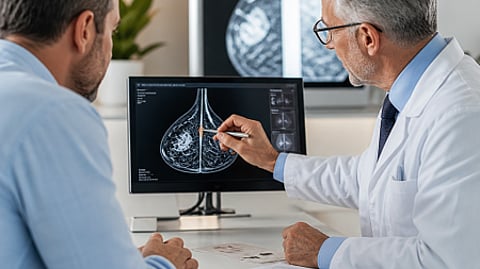
Breast cancer diagnosis starts with imaging, typically mammography or ultrasound, followed by tissue biopsy to confirm malignancy. The biopsy report provides essential details: invasive or non-invasive cancer, tumour grade, and whether cancer cells have spread to lymph nodes. Pathologists also test for hormone receptors—oestrogen receptor (ER) and progesterone receptor (PR)—and a protein called HER2. These biomarkers are not academic details; they directly determine whether the cancer will respond to hormone therapy, targeted drugs, or chemotherapy.
Staging combines tumour size, lymph node involvement, and distant spread into a scale from 0 to IV. Stage 0 refers to non-invasive disease confined to milk ducts or lobules. Stage I and II cancers are early-stage and localised, often treated with surgery and adjuvant therapy. Stage III indicates locally advanced disease with significant lymph node involvement, and stage IV means cancer has spread to distant organs. Staging guides the aggressiveness of treatment and informs prognosis, though individual outcomes vary widely.
Hormone receptor-positive cancers, which account for roughly two-thirds of all breast cancers, grow in response to oestrogen or progesterone. These tumours respond well to endocrine therapies such as tamoxifen or aromatase inhibitors, which block hormone signals or reduce hormone production. Patients with ER-positive disease often take these medications for five to ten years after primary treatment to reduce recurrence risk.
HER2-positive cancers, about 15 to 20 per cent of cases, produce excess HER2 protein, which drives rapid cell growth. Targeted therapies like trastuzumab and pertuzumab bind to HER2 and slow or stop cancer progression. These drugs have transformed outcomes for HER2-positive patients, turning an aggressive subtype into one with favourable prognosis when treated appropriately. Triple-negative breast cancer, lacking ER, PR, and HER2, does not respond to hormone or HER2-targeted therapies, so treatment relies on chemotherapy and increasingly on immunotherapy agents that help the immune system recognise cancer cells.
Women diagnosed with breast cancer before age 50, those with triple-negative disease, or those with a family history of breast or ovarian cancer are often offered genetic testing for BRCA1 and BRCA2 mutations. A positive result affects surgical decisions—some women opt for bilateral mastectomy to reduce future risk—and treatment options. BRCA-related cancers may respond particularly well to platinum-based chemotherapy or PARP inhibitors, a class of targeted drugs that exploit the cancer cells' DNA repair defects.
Genomic tests such as Oncotype DX analyse the activity of specific genes within the tumour to predict recurrence risk and benefit from chemotherapy. For early-stage, hormone receptor-positive, HER2-negative cancers, a low recurrence score may allow patients to skip chemotherapy and rely on hormone therapy alone. This personalised approach spares many women from unnecessary treatment and its side effects.
Surgical options depend on tumour size, location, and patient preference. Lumpectomy removes the tumour and a margin of healthy tissue, preserving most of the breast, and is typically followed by radiation therapy. Mastectomy removes the entire breast and may be recommended for large tumours, multifocal disease, or when radiation is not suitable. Sentinel lymph node biopsy checks whether cancer has spread to nearby lymph nodes; if positive, additional nodes may be removed.
Reconstruction can be performed immediately during mastectomy or delayed until after chemotherapy and radiation. Implant-based reconstruction is quicker but may require multiple surgeries. Autologous reconstruction, such as the DIEP flap procedure, uses the patient's own tissue from the abdomen to recreate the breast, offering a more natural result but involving longer recovery. The choice depends on body type, treatment plan, and personal priorities.
Comprehensive breast cancer treatment requires coordination among surgeons, medical oncologists, radiation oncologists, pathologists, radiologists, and reconstructive surgeons. Multidisciplinary tumour boards review each case to recommend the best sequence of treatments. For some patients, chemotherapy or hormone therapy is given before surgery—neoadjuvant therapy—to shrink the tumour and make breast-conserving surgery possible. This approach also provides an early test of how well the cancer responds to treatment.
Women seeking this level of integrated care in the UAE can access specialised services through an oncologist abu dhabi at comprehensive cancer centres that offer the full range of diagnostic, surgical, medical, and reconstructive options under one roof. Continuity across specialties ensures that treatment plans adapt as new information emerges and that supportive services, such as lymphedema prevention and genetic counselling, are available when needed.
Diagnosis at an earlier stage expands treatment options and improves outcomes. Regular screening mammography detects cancers before they cause symptoms, often while they are still small and confined to the breast. Women at average risk should begin annual or biennial mammograms at age 40 or 50, depending on guidelines and personal risk factors. Those with a family history, genetic mutations, or dense breast tissue may benefit from earlier or more frequent screening, including supplemental imaging such as breast MRI or ultrasound. Understanding what breast screening options you should explore based on individual risk allows for earlier intervention and more conservative treatment when cancer is found.
After initial treatment, regular follow-up monitors for recurrence and manages treatment-related side effects. Hormone therapy can cause joint pain, hot flashes, and increased fracture risk. Chemotherapy may lead to neuropathy, fatigue, or cognitive changes. Radiation can cause skin changes and, rarely, heart or lung complications. Oncologists adjust medications, refer patients to supportive care specialists, and order periodic imaging to detect recurrence early.
Breast cancer survivors also face elevated risk for cardiovascular disease, a connection that is increasingly recognised and monitored. Certain chemotherapy agents and radiation to the left breast can damage the heart over time. Lifestyle modifications—maintaining a healthy weight, exercising regularly, and managing blood pressure and cholesterol—reduce both cancer recurrence and heart disease risk. Research continues to explore what women need to know about breast cancer and heart disease, underscoring the importance of holistic long-term care that addresses multiple health risks.
The path from diagnosis to treatment involves complex decisions that depend on medical evidence, personal values, and quality-of-life considerations. Patients benefit from asking questions, seeking second opinions, and taking time to understand the trade-offs between different approaches. Aggressive treatment may offer a survival advantage but comes with greater side effects. Less intensive treatment may preserve quality of life but carry higher recurrence risk. There is rarely a single correct choice; the best decision is the one that aligns with the patient's goals and circumstances.
Understanding how diagnostic findings shape treatment options empowers patients to participate in their care, set realistic expectations, and advocate for the resources and support they need throughout the journey.
Inspired by what you read?
Get more stories like this—plus exclusive guides and resident recommendations—delivered to your inbox. Subscribe to our exclusive newsletter
The products and experiences featured on RESIDENT™ are independently selected by our editorial team. We may receive compensation from retailers and partners when readers engage with or make purchases through certain links.