
- Locations
- Interviews
- Luxury Home
- Luxury Lifestyle
- Luxury Travel
- Luxury News
- Events
- More
- Magazine

Luxury has traditionally been associated with exceptional accommodations, beautiful surroundings, and exclusive experiences. In personal healthcare and wellness, however, expectations often extend beyond the physical environment. Individuals may value discretion, flexibility, continuity, and the feeling that professionals understand their particular needs. These qualities can shape the overall experience, especially when services involve sensitive personal circumstances.
Wellness services frequently involve information that individuals prefer to keep private. Health histories, personal challenges, treatment decisions, and family circumstances can be deeply sensitive subjects. People may hesitate to seek assistance when they are uncertain about who will have access to this information. Clear privacy practices can help create an environment where clients feel more comfortable discussing their needs.
This consideration is particularly relevant when evaluating luxury mental health facilities in California, Washington, or Arizona. Individuals considering residential mental healthcare may want to understand how confidential information is protected and how the facility manages personal privacy. Questions about accommodations, communication procedures, and access to personal records are reasonable parts of the decision-making process. Privacy should complement, rather than replace, careful evaluation of clinical services and safety.
High-end wellness clients may expect services that account for their personal circumstances rather than following an identical approach for everyone. Preferences can involve scheduling, communication, upscale accommodations, or the kinds of support they find most useful. Understanding these expectations requires attentive conversations before services begin. Personalization becomes meaningful when it responds to actual needs.
A thorough intake process provides opportunities to learn about goals and concerns. Professionals may ask about previous experiences, relevant health information, and preferences that could influence the service relationship. These details help establish realistic expectations and identify potential limitations. Clients benefit when recommendations are based on their circumstances rather than assumptions about lifestyle or financial resources.
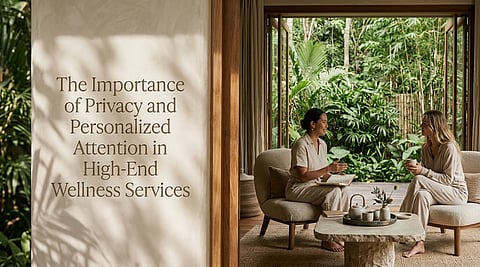
The physical environment can shape how people experience wellness services. Comfortable seating, thoughtful lighting, calm surroundings, luxurious finishes, and well-maintained facilities may help reduce unnecessary distractions. These details can make appointments or extended stays feel more welcoming. However, appearance alone provides limited information about the quality of the services being delivered.
An effective environment should also support accessibility and practical needs. Clear navigation, appropriate privacy, comfortable waiting areas, and sufficient space for professional activities can improve the experience. Design decisions should reflect the purpose of the setting rather than following luxury trends automatically. Comfort is most meaningful when it supports the service itself.
Personalized wellness services often involve repeated interactions rather than a single appointment. Continuity allows professionals to become familiar with individual preferences and recognize changes in needs over time. Clients may also feel more comfortable asking questions when they know what to expect from a provider. These relationships can contribute to a stronger sense of trust.
Consistent communication is particularly valuable when several professionals contribute to a service. Clients should not need to repeat the same information unnecessarily at every interaction. Appropriate internal coordination can improve continuity while maintaining confidentiality requirements. Organizations should also explain how clients can raise questions or request clarification.
Convenience is frequently emphasized in high-end services. Flexible appointments, responsive communication, coordinated scheduling, and simplified administrative procedures can make experiences easier to manage. These features are valuable, particularly for individuals with demanding professional or personal responsibilities. However, convenience should not become the primary measure of service quality.
Personal trainers, nutrition professionals, and other specialists should make recommendations within their qualifications and the evidence available. Attractive marketing and personalized attention cannot substitute for professional competence. Clients should feel comfortable asking about training, experience, and the basis for specific recommendations.
The expectations surrounding luxury wellness services continue to extend beyond visible amenities. Increasingly, the most meaningful aspects of an experience may involve privacy, respectful attention, clear communication, and reliable professional support. These qualities can benefit clients regardless of the price of the service. Their importance becomes especially apparent when individuals are dealing with sensitive health or personal concerns.
A thoughtful decision-making process includes evaluating both the experience being promised and the qualifications of the professionals involved. Prospective clients can ask how services are personalized, what privacy protections exist, and how concerns are handled. They should also consider whether the environment supports their actual needs. Asking these questions helps separate meaningful value from superficial features.
High-end wellness is most effective when comfort and individualized attention serve a clear purpose. A refined environment may contribute to a positive experience, but lasting trust depends on appropriate service and professional integrity. Individuals benefit when they are treated as people with distinct needs rather than customers purchasing a standardized luxury package.
Inspired by what you read?
Get more stories like this—plus exclusive guides and resident recommendations—delivered to your inbox. Subscribe to our exclusive newsletter
The products and experiences featured on RESIDENT™ are independently selected by our editorial team. We may receive compensation from retailers and partners when readers engage with or make purchases through certain links.