
- Locations
- Interviews
- Luxury Home
- Luxury Lifestyle
- Luxury Travel
- Luxury News
- Events
- More
- Magazine

A struggling air conditioner running non-stop in humid summer weather usually suffers from simple airflow restrictions that waste energy and strain critical components. Catching these circulation bottlenecks early keeps your home comfortable while preventing costly mid-season breakdowns.
You can protect your system and lower cooling costs right now with a few strategic adjustments around your house.
Beat the afternoon heat by closing curtains before sunshine hits the glass. Start with east-facing windows in the morning, then cover west-facing windows before the afternoon sun reaches them. Waiting until a room feels hot leaves your AC working to remove heat already stored in floors and furniture.
Ensure window coverings don't hang over air registers, and check exterior doors for worn weatherstripping—especially where you can see daylight around the edges.
A cool evening can offer a chance to open windows, but temperature alone isn’t enough. In Independence’s muggy summer weather, keep windows shut when outdoor air feels damp, and always close them before running the AC.
Restricted airflow forces your system to run longer while delivering less cooling. According to the U.S. Department of Energy, replacing a clogged filter can reduce an air conditioner’s energy usage by 5% to 15%. Treat that range as a potential efficiency benefit rather than a guaranteed reduction in your monthly bill.
Start with three essential airflow checks:
Inspect the air filter for dust buildup and blockage
Uncover supply vents and return grilles blocked by furniture
Clear leaves and loose debris around the outdoor condenser unit
Always follow your manufacturer’s guidelines for filter selection. A filter that physically slides into the slot isn't automatically rated for your system's specific airflow requirements.
When basic maintenance fails to restore airflow, running the system on a lower thermostat setting can overload the compressor and cause frozen coils. Persistent airflow issues often point to internal mechanical failures, such as hidden ductwork leaks, improper refrigerant charge, or a failing blower motor, that standard visual checks cannot detect.
Resolving these internal bottlenecks requires certified technicians who use specialized tools like static pressure gauges and digital manifolds to test system pressure without damaging internal coils. When troubleshooting reaches this diagnostic threshold, relying on professional residential cooling services in Independence, MO through regional service providers like McIntosh Heating & Cooling ensures these precise mechanical measurements are performed safely before temporary airflow restrictions turn into permanent compressor failure.
Before reaching for the thermostat, try switching on a fan where you’re sitting. The breeze helps you feel cooler without asking your AC to lower the room’s temperature. You may find that a slightly warmer thermostat setting feels just as comfortable.
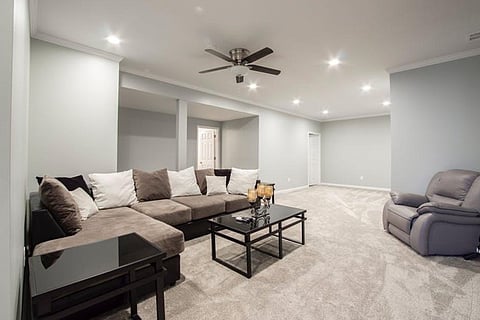
Set your ceiling fan to push air downward toward the seating area. Choose a speed that creates a pleasant breeze without sending papers flying. Switch it off when you leave, since fans cool people rather than empty rooms.
Resist dropping the thermostat several degrees when you walk into a warm house. A typical central AC won’t cool faster because you choose a much colder setting. Make a modest adjustment, give the system time to respond, and keep heat-producing lamps or electronics away from the thermostat to avoid misleading readings.
Major appliances act as indoor heaters during peak summer afternoons. Shifting heat-generating chores to the cooler morning or late evening hours keeps your air conditioner from competing against internal heat loads.
Try these changes to cut back on afternoon heat:
Microwave leftovers instead of reheating them in the oven
Prepare salads or other meals that need little cooking
Run the dishwasher later in the evening
Dry laundry early in the morning
Use kitchen and bathroom exhaust fans to clear cooking moisture and shower steam. Once the moisture has cleared, switch them off so they don’t keep pulling cooled indoor air outside.
An AC that runs longer on a scorching afternoon isn’t necessarily failing. But a bedroom that stays warm, a new rattling sound, or noticeably weaker airflow deserves more than another thermostat adjustment. When basic checks don’t help, note which rooms are affected, when symptoms appear, and whether the problem is getting worse.
Those details give a technician a clearer starting point than “the house feels hot.” According to Evergy, scheduling a professional HVAC tune-up at least once a year allows a technician to inspect accessible components for wear, clean out debris, measure refrigerant levels, and verify overall system airflow—restoring efficiency before minor issues escalate into major equipment failures.
Keep your DIY efforts strictly focused on accessible tasks—cleaning filters, opening vents, and clearing debris around the outdoor unit. Attempting internal mechanical or electrical repairs without professional training risks severe equipment damage and personal injury.
Restricted airflow is an avoidable threat to your home's comfort and system longevity. Routine maintenance checks put control back in your hands, keeping energy costs steady and cooling performance reliable.
When simple DIY steps fall short, turning to local HVAC experts in Missouri ensures your equipment gets the precise diagnostic care it needs. Take action at the first sign of weak airflow to keep your home cool and protect your system all season long.
Inspired by what you read?
Get more stories like this—plus exclusive guides and resident recommendations—delivered to your inbox. Subscribe to our exclusive newsletter
The products and experiences featured on RESIDENT™ are independently selected by our editorial team. We may receive compensation from retailers and partners when readers engage with or make purchases through certain links.