
- Locations
- Interviews
- Luxury Home
- Luxury Lifestyle
- Luxury Travel
- Luxury News
- Events
- More
- Magazine

Every WRX owner eventually has that moment.
You pull into a parking lot, hear a strange metallic buzz underneath the car, and immediately assume something expensive just failed. Ten minutes later, you are underneath the rear bumper discovering a loose heat shield making enough noise to sound like the transmission is falling apart.
That is part of life with these cars.
The WRX has always been a little raw around the edges. The boxer engine vibrates differently, the suspension is usually stiffer than average, and most owners eventually modify the exhaust anyway. Add years of heat, weather, rough roads, and enthusiastic driving, and small exhaust issues start showing up everywhere.
What catches newer owners off guard is how many of these problems are minor. Exhaust leaks, rattles, and cabin drone often come from small things nobody notices during regular maintenance. A stretched hanger. A warped gasket. Hardware that loosened itself after thousands of heat cycles.
A lot of the time, the fix is simpler than the noise itself.
You do not need a professional shop to sort out most WRX exhaust problems. A decent jack, basic tools, and a little patience will handle the majority of them.
One thing Subaru owners learn quickly is that sound travels strangely through these cars.
A vibration near the rear seats might actually originate closer to the downpipe. Something that sounds internal can end up being a thin aluminum heat shield rattling against the exhaust under load.
Cold starts usually expose problems faster than anything else. If the car ticks for thirty seconds and then quiets down, there is a good chance exhaust gases are escaping from a small gap somewhere in the system. Once the metal heats up and expands, the leak partially seals itself.
That pattern is incredibly common on older WRXs.
Rattles behave differently. They usually show up in specific RPM ranges instead of all the time. Around 2,500 to 3,000 RPM is where a lot of owners notice buzzing or vibration because that range tends to amplify loose shielding and poorly aligned piping.
A flashlight inspection underneath the car tells you more than people expect. Black soot around a flange connection is usually a dead giveaway that gases have been escaping for a while. Torn hangers are easy to spot once the exhaust starts sagging slightly on one side.
The midpipe section deserves extra attention, especially in climates where roads get salted during winter. Subaru hardware does not age gracefully once corrosion starts creeping in.
Anyone who has snapped a rusty flange bolt underneath a WRX usually remembers it forever.
There is a specific kind of exhaust rattle that almost every long term WRX owner has dealt with at least once.
It shows up during light acceleration, disappears randomly, then comes back worse a week later. People chase suspension components, drivetrain mounts, even interior trim pieces before realizing the sound is coming from a loose section of shielding underneath the car.
Heat shields are notorious for this.
After years of heating and cooling, the mounting points fatigue and loosen. The thin metal starts vibrating against itself, especially once aftermarket exhaust systems increase vibration through the chassis.
Some owners remove the shields entirely. Others secure them using oversized washers once the factory mounting holes rust out. Neither solution is particularly glamorous, but both work.
Hangers create a different kind of problem.
Factory rubber hangers soften over time, especially on cars running heavier aftermarket exhaust systems. Once that happens, the exhaust shifts more aggressively during acceleration and starts contacting surrounding components.
The strange part is how small the contact point can be. Sometimes the system only touches the chassis during hard left turns or while driving over uneven pavement. You spend days trying to locate the sound because the car refuses to do it consistently.
Cheap aftermarket systems make this worse.
Not every exhaust sits perfectly centered after installation. Some systems technically fit, but the piping sits just close enough to the tunnel or subframe to create vibration once the car starts moving around under load.
That is why experienced Subaru guys rarely tighten everything immediately during installation. Most of them loosely fit the entire system first, adjust alignment section by section, then torque it down once the tips sit evenly and the piping clears the chassis properly.
Drivers installing a performance focused catback setup usually notice the sound improvement first, but alignment matters just as much as tone if you want the car to stay comfortable long term.
Naturally aspirated cars can sometimes hide small exhaust leaks for months.
Turbo Subarus usually cannot.
Even minor leaks tend to change the way the car responds. The throttle feels softer. Boost behavior becomes inconsistent. Sometimes the car develops a strange raspy note under acceleration that was not there before.
People often expect a massive sound difference from an exhaust leak, but small leaks are usually subtle at first. The biggest clue is often the smell.
If exhaust fumes start creeping into the cabin during stops or slow traffic, something is probably leaking underneath the car.
Flange gaskets are common failure points, especially after multiple exhaust swaps. Every time the system comes apart, sealing surfaces wear down slightly more. Eventually the gasket stops sealing evenly once everything heats up under boost.
The downpipe area takes the most abuse.
Heat cycles near the turbo are brutal, particularly on tuned WRXs that run higher exhaust temperatures. Hardware expands, contracts, loosens, then repeats the process thousands of times over the car’s lifetime.
Temporary fixes rarely survive there for long.
Exhaust repair tape might work on a naturally aspirated commuter car, but turbocharged Subarus generate enough heat to expose weak repairs quickly. Most experienced owners eventually stop chasing shortcuts and replace the gasket properly the first time.
Another thing people overlook is hardware quality.
Old factory bolts tend to stretch and corrode after years underneath the car. Stainless replacements with anti seize compounds save a ridiculous amount of frustration later.
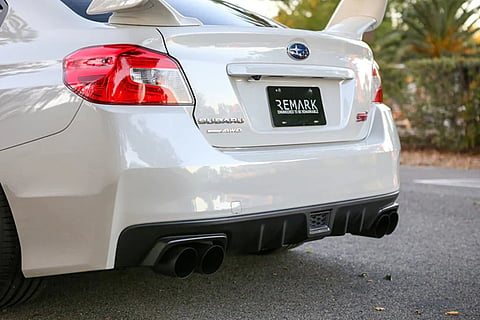
Owners upgrading to a performance oriented wrx catback exhaust system often replace every gasket and bolt during installation simply because nobody wants to take the exhaust apart twice for a preventable leak.
A lot of WRX owners discover this lesson the hard way.
The loudest exhaust in a parking lot does not always feel great after two hours on the highway.
There is a major difference between aggressive tone and constant cabin resonance. Drone settles into the car at steady RPM and just stays there. You stop hearing the exhaust note itself and start feeling vibration in your head during long drives.
Straight pipe setups usually create the worst experience.
They sound wild during pulls, but many owners quietly replace them later with resonated systems once daily driving becomes exhausting. That shift happens more often than people admit.
Resonated midpipes make a huge difference because they target unpleasant frequencies instead of simply reducing volume. The car can still sound aggressive outside while becoming dramatically more livable inside.
Exhaust alignment affects drones too.
If the system sits under tension anywhere along the chassis, vibration transfers directly into the cabin. Sometimes slightly repositioning a hanger changes the entire character of the exhaust note inside the car.
There is also the reality that some WRX interiors simply amplify noise more than others. Older models with stripped trunks, missing interior trim, or aggressive suspension setups tend to resonate harder overall.
A little sound deadening material near the spare tire well helps more than most people expect.
Most exhaust problems start quietly.
A bolt backs out slightly. A hanger weakens. Rust forms around a flange. Nothing feels urgent at first, so people ignore it until the noise becomes impossible to tolerate.
Turbo cars punish neglected maintenance faster than regular commuter cars do.
WRXs generate substantial heat underneath the car, especially once modifications enter the picture. Over time, constant expansion and contraction slowly work hardware loose throughout the exhaust system.
Winter driving speeds everything up.
Road salt destroys hardware long before the exhaust piping itself fails. Some Midwest and northeastern WRXs end up with flange bolts that practically fuse themselves together after enough winters.
Washing the underside of the car during colder months genuinely helps. So does using anti seize on hardware before problems start.
Experienced Subaru owners usually learn these habits after one miserable afternoon fighting seized bolts underneath the car.
Ceramic coated exhaust systems have also become more popular recently, partly because they hold up better visually over time. Stainless steel still discolors eventually, but coatings slow the process and help reduce surface temperatures slightly.
Not every repair belongs in a driveway, though.
Once welds crack or rust starts compromising structural sections of the exhaust, professional fabrication becomes the smarter route. There is a difference between fixing a vibration and trusting a failing exhaust section at highway speed.
Owning a WRX means getting familiar with noises most normal cars never make.
Some of them matter. Some of them sound terrifying and turn out to be nothing more than loose shielding vibrating at the wrong RPM.
That unpredictability is part of what makes these cars frustrating sometimes, but it is also why so many owners enjoy working on them in the first place.
The upside is that most common exhaust issues are manageable once you understand how the system behaves. Small leaks, alignment problems, worn hangers, and rattles all follow patterns that become easier to recognize over time.
Eventually you stop panicking every time the car makes a strange sound.
You just grab a flashlight and start looking underneath it.
Inspired by what you read?
Get more stories like this—plus exclusive guides and resident recommendations—delivered to your inbox. Subscribe to our exclusive newsletter
The products and experiences featured on RESIDENT™ are independently selected by our editorial team. We may receive compensation from retailers and partners when readers engage with or make purchases through certain links.