
- Locations
- Interviews
- Luxury Home
- Luxury Lifestyle
- Luxury Travel
- Luxury News
- Events
- More
- Magazine

You notice the house feels off. Maybe it’s not warming up. Perhaps it just goes longer than normal. It is worth taking a look at the basics before you leap to the worst-case scenario and imagine an enormous repair bill.
The U.S. Department of Energy has stated that an efficient and reliable heat pump depends on proper maintenance and proper functioning. Minor issues can result in bigger ones. A couple of useful heat pump diagnostic steps will help you decide whether you are dealing with a simple issue or something that actually requires a technician. In case it becomes more of an issue, you will have clear notes to share.
And when you require the assistance of a professional, then the crew for fixing heat pumps in Raleigh at Comfort Monster can intervene with a clear course ahead.
Start with the thermostat. Here, many service calls originate.
Ensure the system is set to the correct setting: heat or cool. Check the level of temperature again. If the display is dim or slow, replace the batteries.
Look at the schedule too. After a power outage, some thermostats reset. You may think the system is ignoring you when it’s simply following a default program.
These small checks take minutes. They also prevent unnecessary appointments.
If the thermostat does not appear to be problematic, the question is simple: Can the system breathe?
Inspection of the house:
Air filter condition (replace it if it’s dusty or gray)
Supply vents that may be closed or blocked
Return vents covered by sofas, toy bins, rugs, or pet beds
Visible duct sections in basements or attics
One of the most frequent performance problems with the heat pump is a limited airflow. Stagnant air renders the rooms uneven, making the unit unnecessary.
These HVAC troubleshooting practices might seem simple, yet they often resolve comfort complaints without any tools or specialized expertise.
Now step outside.
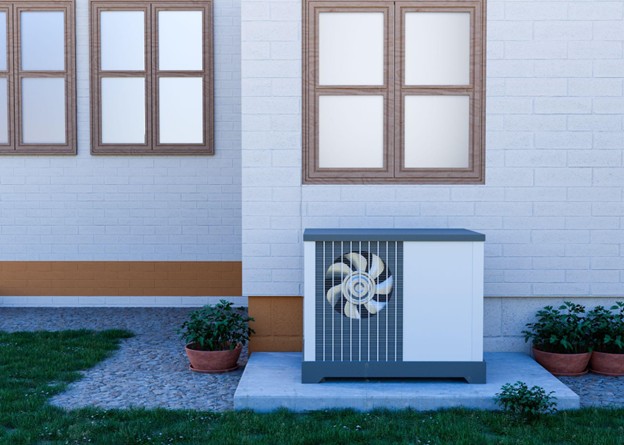
A heat pump requires open space. Rake leaves, trim the grass, or clear the yard's accumulated trash. Desire some two feet of openness on all sides.
If the coil appears dirty, use a garden hose at low pressure. Skip pressure washers. They can bend fins and create more problems.
In cold weather, a light frost can appear during normal operation. The ice that fails to melt after the defrost cycle requires further professional study.
Every heat pump has a normal sound. Usually a steady hum or soft airflow noise.
Pay attention if that sound changes. You should warn about grinding, sharp rattling, and high-pitched screeching, as these can signal heat pump performance issues. Recurring clicking may be a signal of an electrical fault.
When you hear something and have to stop and replay it, switch the system off. Write down when it happens at startup, mid-cycle, or shutdown. That detail helps a technician narrow things down faster.
Seeing water around the indoor unit, do not panic. Mostly, it is a drainage problem.
Check the air handler; check for a clogged condensate line or a water pool. Check what’s nearby too. Sometimes moisture comes from another source.
Refrigerant is different. It can be evidenced by signs such as ice on the coil, reduced heating or cooling, or a slight hissing noise. The refrigerant work is licensed and ought to be equipped. That’s not a DIY fix.
After checking the obvious items, take a few minutes to observe how your system actually runs.
Does it reach the temperature you set? Does it shut off and restart quickly? Are certain rooms still lagging behind?
Weak airflow, short cycling, or uneven cooling and heating are often associated with airflow limitations or maintenance problems in many home improvement discussions about HVAC issues.
Try a simple test. Start a timer for 20 minutes and check whether the temperature changes in the correct direction. You do not need fixed figures; just gradual improvement.
These heat pump diagnostic steps help you understand what’s normal. If you need service, you’ll explain the issue clearly and confidently.
If the issue continues, jot down a few notes:
Thermostat mode and set temperature
Date of last filter change
Outdoor unit condition
Any unusual sounds, and when they occur
The problem of permanence or intermittence.
These HVAC troubleshooting tips help to make the discussions with technicians more fruitful. You’ll feel prepared instead of unsure.
A concise performance audit can be time-saving and cost-effective. The simple causes are eliminated by inspecting the thermostats, checking the airflow, the exterior unit, and system sounds, and evaluating system performance using practical HVAC troubleshooting tips.
A few careful observations can make all the difference.
If you post about home maintenance online, what’s helped you grow your social media presence? Your experience could give another homeowner the confidence to get started.
Inspired by what you read?
Get more stories like this—plus exclusive guides and resident recommendations—delivered to your inbox. Subscribe to our exclusive newsletter
The products and experiences featured on RESIDENT™ are independently selected by our editorial team. We may receive compensation from retailers and partners when readers engage with or make purchases through certain links.