
- Locations
- Interviews
- Luxury Home
- Luxury Lifestyle
- Luxury Travel
- Luxury News
- Events
- More
- Magazine
- Contact Us

A home can look immaculate and still be filthy. That's the uncomfortable truth nobody puts on a brochure. The shine on the counter tells you nothing about what's living in the sponge, the vents, or the carpet fibers under your feet. Clean is a look. Sanitary is a different animal entirely.
This is where professionals earn their keep, and it's the part most people never factor in. When you weigh the cost of a service, you tend to picture tidier rooms. What you're actually buying is closer to a health decision than a cosmetic one.
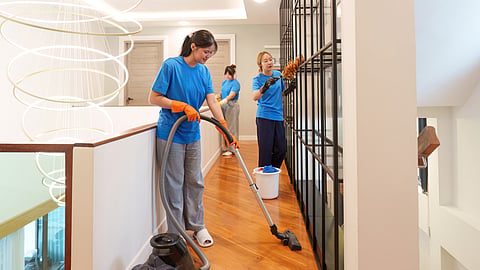
Consider the air alone. Dust isn't just grey fluff; it's a cocktail of skin cells, pollen, pet dander, and whatever drifts in through the window. Left alone, it recirculates every time the heat kicks on. Bringing in trained cleaning services in Brooklyn means someone finally tackles the sources of that grime instead of pushing it around, and the difference tends to show up first in how a room feels to breathe in.
Ask most people where their home is dirtiest and they'll point at the bathroom. Reasonable guess. Often wrong. Studies cited around the web keep pointing somewhere else entirely - the kitchen, and specifically the sponge, which reportedly harbors more bacteria than almost anything else in the house.
The real hotspots rarely get the attention they deserve:
Kitchen sponges and dishcloths, damp little bacterial cities
Cutting boards, especially the wooden ones with knife scars
Faucet handles and fridge doors, touched constantly, cleaned rarely
Light switches, remotes, and doorknobs
The bottom of bags and backpacks that ride the subway and then hit the counter
A professional crew works with a mental map of these zones. They don't just wipe what looks dirty; they disinfect what's dangerous. There's a method to it, an order, a reason the bathroom cloth never touches the kitchen. Amateurs cross-contaminate without meaning to. Pros are trained not to.
Hippocrates supposedly said, "Cleanliness and simplicity nourish the good life." Ancient advice, but it holds up. The basics of staying well haven't changed as much as we'd like to think.
One heroic deep clean feels great. It also fades. The genuine value of a professional arrangement isn't the single dramatic reset - it's the rhythm that keeps decline from ever setting in.
Think of it like maintenance on anything you rely on. You don't wait for the car to break down before changing the oil. Homes work the same way, quietly accumulating wear until a small problem becomes an expensive one. Regular attention interrupts that slide.
What consistency actually protects:
Your health, by keeping allergens and bacteria from building to problem levels
Your belongings, since dirt is abrasive and grinds down surfaces over time
Your budget, because prevention costs a fraction of replacement
Your time, as a maintained home needs far less panic-cleaning before guests
There's a mental piece too. Erma Bombeck once wrote, "My idea of housework is to sweep the room with a glance." She was joking, mostly. But the sentiment - that life's too short to lose to endless chores - is exactly why a steady, hands-off arrangement appeals to so many people. Set it up once, stop thinking about it.
Here's a benefit that flies under the radar until it doesn't: relief for anyone in the house who suffers through allergy season indoors.
Dust mites, pet dander, and mold spores don't care how tidy a place looks. They settle into soft surfaces - rugs, curtains, upholstery, mattresses - and thorough cleaning is one of the few things that genuinely reduces them. Reportedly, a meaningful share of indoor allergy flare-ups trace back to these household triggers rather than anything outside.
Professionals go after the reservoirs most people skip:
Deep-cleaning carpets where dander embeds
Wiping down blinds and window treatments that trap particles
Reaching the tops of cabinets and fans where dust launches from
Addressing damp corners before mold gets ambitious
For a household with a kid who's always sniffling or an adult who blames the season every month of the year, that kind of thoroughness can be the quiet fix they didn't know to ask for. Small change on paper. Big change in daily life.
Strip it all down and the value comes into focus. You're not buying clean floors. You're buying a healthier space, protected belongings, reclaimed hours, and a lower baseline of stress. The floors are just the part you can see.
If you're on the fence, a simple way to judge it:
Book one thorough clean and notice how the air feels the next morning
Track whether allergy symptoms ease over the following weeks
Count the hours you didn't spend scrubbing and decide what they were worth
Most people, once they've felt a properly cleaned home rather than just a tidied one, have trouble unfeeling it. The difference isn't loud. It's in the quiet - the easier breathing, the surfaces that stay right longer, the low hum of stress that finally goes quiet. That's the hidden value. It was never really hidden. We just weren't looking in the right places.
Inspired by what you read?
Get more stories like this—plus exclusive guides and resident recommendations—delivered to your inbox. Subscribe to our exclusive newsletter
The products and experiences featured on RESIDENT™ are independently selected by our editorial team. We may receive compensation from retailers and partners when readers engage with or make purchases through certain links.