
- Locations
- Interviews
- Luxury Home
- Luxury Lifestyle
- Luxury Travel
- Luxury News
- Events
- More
- Magazine

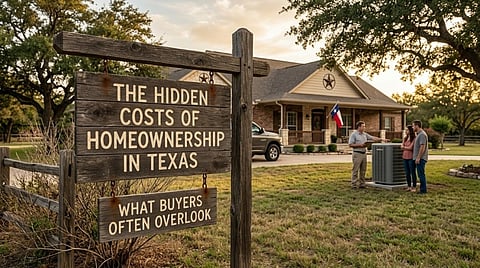
Your mortgage payment is only part of what it costs to own a Texas home. Property taxes, summer electricity bills and unexpected repairs can stretch a budget that looked comfortable when you first applied for financing.
Before you buy, look beyond the monthly payment on the listing. Understanding the expenses that follow closing can help you choose a home you can afford to maintain, not just purchase.
A seller’s property tax bill may not tell you what you’ll owe after buying. Exemptions, appraisal limits and changes in taxable value can make that figure a poor guide to your future expenses.
Additional homestead tax relief was approved in Texas in November 2025. However, buyers still need to account for their own eligibility and the taxes charged by different local taxing units.
Ask for a tax estimate based on your circumstances rather than simply copying the seller’s bill. Confirm which exemptions require an application, and leave room in your budget for changes.
If taxes are paid through escrow, a higher bill can also change your mortgage payment. A fixed-rate loan doesn’t make every part of that payment fixed.
Insurance deserves its own budget review, especially when a home’s location or condition affects the quote. An older roof or a history of claims can turn an otherwise affordable property into a more expensive purchase.
According to reporting by Associated Press, Texas homeowners insurance rates rose nearly 19% in 2024. For buyers, the increase shows why an initial quote shouldn’t be treated as a permanent expense.
Get a property-specific quote before committing, and examine deductibles alongside the premium. A lower monthly cost offers little comfort if the deductible would drain your savings after a storm.
Ask the insurer to explain wind and hail deductibles in dollars. Knowing the potential out-of-pocket cost makes comparisons more useful than shopping by premium alone.
A working air conditioner during your showing doesn’t guarantee years of trouble-free cooling. Appliances and household systems can develop problems after closing, even when an inspection finds no immediate failure.
Before buying, review the age and condition of major equipment. Replacement costs deserve attention alongside smaller repairs, particularly when several systems are aging at once.
According to Cinch Home Services, average home maintenance costs in Texas are more than $1,000 per month. So, it’s often worth getting a warranty for appliances. The average home warranty cost in Texas is only $60 per month.
When comparing the best home warranty companies in Texas, distinguish covered breakdowns from routine upkeep. Coverage from Cinch Home Services includes mechanical failures caused by normal wear and tear.
Routine maintenance remains a separate responsibility, whether you purchase a warranty or not. Filter changes, gutter cleaning and exterior upkeep need time or money, and delaying them can leave you with more work later.
Set aside money regularly instead of waiting for something to fail. A maintenance fund also gives you options when a repair falls outside your coverage.
Extra square footage can mean extra cooling costs, especially when insulation or aging equipment makes the house less efficient. High ceilings and large windows may look appealing while adding to the space your system must cool.
Compare summer peaks with milder months instead of relying on one bill. Factor in your household’s thermostat preferences and electricity plan before deciding whether the seller’s costs fit your budget.
A neighborhood’s pool or landscaped entrance may come with expenses beyond your mortgage. Regular homeowners association dues should be part of your affordability calculation, not an item you discover just before closing.
Review the association’s budget, governing documents and available meeting records. Ask about planned projects, reserve funds and any approved or proposed special assessments.
An assessment can create an expense beyond ordinary dues. Understanding how the association funds major work helps you evaluate what those shared amenities may cost over time.
Flood-related expenses deserve a separate conversation from your standard homeowners insurance quote. Ask your insurer what protection the policy includes and whether you need separate flood coverage.
Inspect the property’s drainage, and ask about previous water intrusion or standing water after heavy rain. A sloped yard, overflowing gutters or water collecting near the foundation may warrant further evaluation.
Price any recommended drainage work before closing when possible. Keeping insurance costs and physical improvements separate makes it easier to understand the total expense.
The hidden costs of homeownership in Texas become easier to manage when you account for them before buying. Taxes, insurance, maintenance and neighborhood charges belong beside your mortgage in the monthly budget.
And leave room for repairs and seasonal bills rather than spending every available dollar on the purchase.
Was this article helpful? If so, take a moment to explore some of our related posts.
Inspired by what you read?
Get more stories like this—plus exclusive guides and resident recommendations—delivered to your inbox. Subscribe to our exclusive newsletter
The products and experiences featured on RESIDENT™ are independently selected by our editorial team. We may receive compensation from retailers and partners when readers engage with or make purchases through certain links.