
- Locations
- Interviews
- Luxury Home
- Luxury Lifestyle
- Luxury Travel
- Luxury News
- Events
- More
- Magazine

A generation ago, the selling point of a premium home was usually the home itself: the kitchen, the views, the size of the block. Today, developers and buyers are asking a different question. What is outside the front door? The answer, more and more often, is a thoughtfully designed shared park, complete with places to cook, shelter, sit and meet the neighbours.
This article looks at why amenity parks have become such an important part of residential design, what separates an exceptional one from an ordinary one, and which details do the most work.
Several shifts have pushed outdoor space up the priority list. Many people now work from home at least part of the week, and a pleasant place to step outside matters more than it once did. Apartments and townhouses have grown more popular in desirable locations, which often means smaller private gardens. A good shared park fills that gap, offering space that residents could never fit on their own lot.
There is a social dimension too. Neighbours who meet at a barbecue area or a shaded seating spot feel more connected to their community, which affects how long they stay and how well they look after the place.
Making the most of that takes more than lawn and a few benches. It starts with deciding what the park is for.
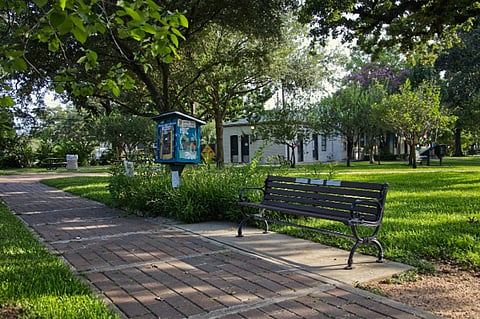
The best amenity parks have a clear heart. It might be an open lawn framed by trees, a paved plaza with seating or a terrace that overlooks the water. Everything else is arranged around it, so people naturally drift towards the centre and the park feels lively even when only a handful of residents are there. Mature shade and soft planting matter here as much as furniture, since they make hard surfaces feel welcoming.
Good planning keeps sightlines open, so parents can watch children from a seat and nearby homes overlook a space that feels safe. Paths should link the park to surrounding streets and be wide enough for prams, wheelchairs and scooters.
Once the heart of the park is settled, the next question is how to keep it usable in all weather, which is where shelter comes in.
A park without cover is a fair-weather park. Strong sun, sudden rain and wind all limit how often people use it, which means expensive landscaping sits idle for much of the year. Well-designed park shelters change that, giving residents a reliable place to sit, gather and eat whatever the sky is doing.
Design decisions make a big difference. A roof pitched to shed rain, generous overhangs and a height that avoids a boxed-in feeling all improve comfort. Materials and colours should echo the surrounding architecture so the structure feels like part of the landscape.
A good shelter also earns its keep as an event space. A covered pavilion can host a residents' breakfast, a weekend market or a small celebration without anyone watching the forecast. It also becomes the place where people want to cook and eat, which brings us to the barbecue.
Few amenities generate as much goodwill as a shared barbecue. Birthday lunches, weekend get-togethers and casual after-work dinners all happen around a hotplate, and a single well-placed unit can turn a park into a social hub. Many premium developments now include several park BBQs, placed in different zones so groups do not compete for space.
Practical details decide whether they stay popular. Units should be easy to clean, with durable stainless steel surfaces and controls that resist damage. Gas and electric models each have advantages, and the right choice depends on maintenance access and local regulations. Seating, preparation benches and a water point close by make the area feel complete.
A busy barbecue area also produces plenty of waste, and how that waste is handled can make or break the experience.
In a premium setting, an overflowing bin is the fastest way to undo hours of careful landscaping. Visible, scruffy waste points suggest neglect, attract pests and spoil the mood of an otherwise beautiful space. Screening bins with purpose-built enclosures solves the problem by hiding them from view, holding them upright in windy conditions and keeping animals out.
Placement is part of the design. Enclosures should sit close enough to barbecues and seating that people use them, yet downwind and slightly set back so smells and sightlines are not an issue. When this is done well, residents barely notice the bins at all, which is exactly the point.
Climate is the great test of outdoor design, and few places test it harder than Australia. In coastal communities from the Gold Coast to Perth's northern suburbs, sun, salt air and sudden storms wear down poorly made fixtures within a few seasons. Australian park furniture has therefore had to become tough, with powder-coated steel, marine-grade aluminium and UV-resistant finishes chosen for longevity.
The lessons apply anywhere with strong weather. Fixings should be corrosion resistant, surfaces should resist fading and graffiti, and components should be easy to replace individually rather than forcing a whole new installation. Benches, tables, shelters and barbecue surrounds that share a colour palette and material language make the park feel designed rather than assembled.
Whether you are a developer, a landscape designer or a resident on a committee, these principles help an amenity park keep working over the long term:
Design for people first. Start with how residents will actually use the space.
Provide cover. Shelters and shade trees let the park work in rain and strong sun.
Cook and gather together. Place barbecues near shelters, seating and a water point.
Hide the practical stuff. Screen bins and services so the space stays beautiful.
Choose durable materials. Pick finishes that handle local weather and heavy use.
Keep a consistent look. Match colours and materials across furniture and structures.
Plan for maintenance. Make cleaning and repairs simple from the outset.
None of these principles is expensive on its own. Together they separate a park that people love from one that quietly goes unused.
People rarely say they love a park because of its bins or its roof pitch. They say it feels relaxed, welcoming and well looked after, and those impressions are built from dozens of small decisions made long before anyone arrives with a picnic.
As more premium developments recognise outdoor space as a core feature, the amenity park is likely to become as important as the lobby or the pool. The ones that succeed will treat shade, food, cleanliness and durability as part of a single, considered design, one that lets residents step outside and simply enjoy being there.
Inspired by what you read?
Get more stories like this—plus exclusive guides and resident recommendations—delivered to your inbox. Subscribe to our exclusive newsletter
The products and experiences featured on RESIDENT™ are independently selected by our editorial team. We may receive compensation from retailers and partners when readers engage with or make purchases through certain links.