
- Locations
- Interviews
- Luxury Home
- Luxury Lifestyle
- Luxury Travel
- Luxury News
- Events
- More
- Magazine
- Contact Us

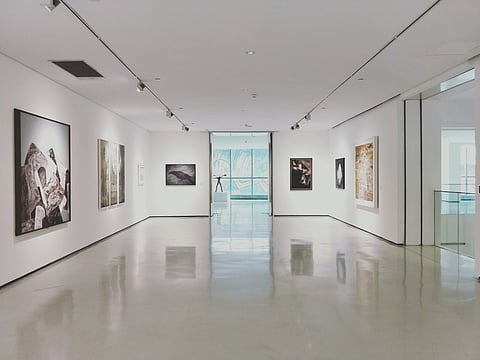
Art has long held a place of prominence in human society, serving as a medium of expression, a cultural artifact, and a source of inspiration. In recent years, however, collecting art has taken on an additional dimension: a defining marker of the luxury lifestyle. Beyond aesthetics, owning rare or contemporary pieces has become a statement of identity, a reflection of personal values, and an investment strategy for affluent individuals. This shift in collecting trends underscores a deeper interplay between wealth, taste, and the meaning of luxury.
For some, the process of collecting art brings a similar thrill to engaging in high-stakes games, where the combination of strategy, intuition, and risk creates a unique sense of excitement. If you’re intrigued by that kind of experience, you might try jetx register for a modern twist on high-stakes engagement.
Art’s allure within the luxury lifestyle is multifaceted. For many affluent individuals, a carefully curated collection offers:
A unique identity: Unlike mass-produced luxury goods, art pieces are often one-of-a-kind.
Cultural and emotional value: It conveys a sense of sophistication, cultural awareness, and intellectual engagement, traits that align seamlessly with the ethos of luxury living.
Tangible investment: Rare and sought-after works often appreciate in value over time, appealing to those who view art as both a passion and a financial asset.
High-end homes have increasingly become showcases for personal collections, with interiors designed around key pieces. Instead of treating artwork as decorative accents, affluent individuals often see them as the focal points of their spaces. Modern interior design for luxury homes frequently integrates:
Custom lighting: To highlight pieces while preserving their integrity.
Bespoke display solutions: From expansive gallery walls to hidden panels that reveal works with the press of a button.
Integrated architecture: Homes are sometimes designed specifically to house and showcase a growing collection.
The rise in contemporary collecting reflects a shift in societal values. Many collectors resonate with contemporary pieces because they often engage with current issues like identity, technology, and the environment. These works serve as more than just aesthetic enhancements—they are conversations starters and symbols of the collector's worldview.
On the other hand, the pursuit of rare or historical artworks taps into a different facet of luxury. For collectors, the rarity of these works makes them coveted treasures, encapsulating history, craftsmanship, and cultural heritage. The scarcity of such pieces ensures their value, both monetary and symbolic, making them ultimate status symbols.
Gallery owners often describe an evolution in their clientele, noting that today’s affluent buyers are more informed, intentional, and diverse than ever before. Many prioritize building a collection that resonates on a personal level, rather than simply acquiring well-known names for prestige.
Collectors, in turn, highlight the deep satisfaction of curating a collection. For some, it’s about building a legacy—creating a body of work that reflects their journey, tastes, and values. For others, it’s about the thrill of discovery, finding emerging artists whose work speaks to them.
Despite its rewards, art collecting comes with challenges:
Access: High-profile pieces are often difficult to acquire, requiring connections, patience, and timing.
Preservation: Ensuring that works remain in optimal condition demands specialized care.
Market complexity: Navigating auctions, valuations, and the secondary market can be daunting.
However, these challenges also provide opportunities for collectors to deepen their engagement. Many collectors rely on trusted advisors or build relationships with galleries to gain insights into emerging trends and opportunities.
Compared to other luxury investments, such as real estate or haute couture, art offers distinct advantages:
Portability: Unlike properties, art can be relocated and displayed in various contexts.
Cultural capital: Owning art often comes with invitations to exclusive events, exhibitions, and social circles.
Legacy: Art collections can be passed down through generations, creating a lasting impact.
The art market is constantly evolving, influenced by technology, culture, and global economic trends. Digital platforms and virtual galleries are broadening access to art, allowing collectors to discover new talents from around the world. Additionally, blockchain technology is beginning to address challenges like provenance and authenticity, which offer greater transparency in transactions.
Inspired by what you read?
Get more stories like this—plus exclusive guides and resident recommendations—delivered to your inbox. Subscribe to our exclusive newsletter
The products and experiences featured on RESIDENT™ are independently selected by our editorial team. We may receive compensation from retailers and partners when readers engage with or make purchases through certain links.