
- Locations
- Interviews
- Luxury Home
- Luxury Lifestyle
- Luxury Travel
- Luxury News
- Events
- More
- Magazine

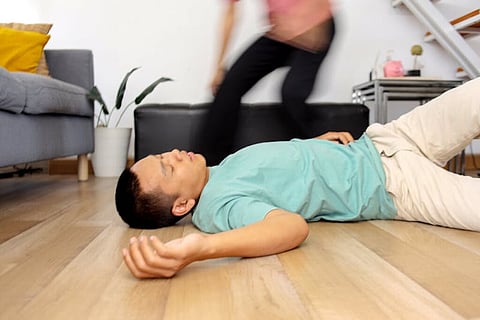
Airbnb and vacation rentals can be a good choice between hotels and homes, providing space, privacy, and features like kitchens and pools. However, a cozy atmosphere doesn't guarantee safety. Poorly maintained properties can have hazards that lead to slips, trips, falls, and injuries from broken fixtures.
After an injury, you may wonder: Was it just an accident or a preventable safety issue? Who is responsible—the host, property owner, management company, or platform? If you're unsure about your options after getting hurt, a personal injury attorney can help clarify liability and insurance. Khamo Law can assist in understanding how to make a claim when a rental property causes harm.
Vacation rentals often have frequent guest turnover, which can hide problems. Issues like a loose stair tread or a wobbly balcony railing may not be noticed until it’s too late. Factors such as dim lighting, heavy luggage, kids playing, or using outdoor areas at night can quickly turn small issues into serious hazards.
Maintenance of vacation rentals varies widely. Some hosts prioritize safety with regular inspections and prompt repairs, while others rely on quick fixes or delay maintenance. This inconsistency makes it hard to determine responsibility after an injury and highlights the importance of good documentation.
Hosts or property owners must keep rentals safe for guests by checking for hazards, fixing problems, and warning about dangers that can’t be fixed right away. If they know about a problem and do nothing, it could lead to a claim.
"Reasonable care" means taking common-sense steps, like replacing burned-out stair lights, fixing cracked handrails, removing slippery algae, or providing non-slip mats. If an injury occurs because these basics were ignored, the host may be liable.
Sometimes, the person listed as the “host” may not own the property. The listing could be managed by a property management company, landlord, or investor who rarely visits. Responsibility can extend beyond the person you talk to on the app. The party making maintenance and repair decisions usually holds the safety responsibility.
Property management companies can add to this liability if they schedule cleanings without inspections, ignore repair requests, or hire unqualified contractors. In multi-unit buildings, a homeowners association or building management may also share responsibility for hazards in common areas like hallways and elevators.
Common vacation rental injuries don’t just come from obvious problems like slippery floors—many are caused by hidden maintenance issues, poorly secured features, or safety measures that were never updated. Here are some of the most frequent hazards that can quickly turn a relaxing stay into a serious emergency:
● Slip-and-fall risks beyond wet floors
○ Loose or bunched rugs
○ Unstable or uneven flooring surfaces
● Structural and entryway hazards
○ Broken steps
○ Unstable railings
● Window and general security issues
○ Missing or broken window locks
● Furniture and storage dangers
○ Unstable furniture that can tip or collapse
○ Falling shelves
○ Exposed nails or sharp, unfinished edges
● Electrical and carbon monoxide threats
○ Faulty wiring
○ Carbon monoxide leaks
● Fire and smoke safety gaps
○ Inadequate or missing smoke detectors
● Pool and hot tub hazards
○ Poorly maintained pools or hot tubs
○ Lack of pool barriers (especially dangerous for children)
● Outdoor amenities with higher stakes
○ Decks, balconies, and docks that can lead to falls from height if poorly maintained
○ Fire pits that can cause severe burns when safety features are lacking or conditions are unsafe
● Risks that especially endanger children and older adults
○ Missing baby gates near stairs
○ Easily accessible chemicals
○ Unstable railings and unguarded drop-offs
● “Looks great in photos” but unsafe in reality
○ Outdated or patchwork safety setups
○ More advertised amenities creating more potential failure points when upkeep is inconsistent
Guests leave quickly, so evidence can disappear fast. Take photos and videos right after the incident to capture hazards, lighting, missing warnings, or water/ice. Include wide shots for context and close-ups for details. Save screenshots of the listing, including amenities, safety statements, rules, and any related messages.
Get medical documentation right away. Seek care quickly and follow up, even if you think you can “walk it off.” These records help link the injury to the incident. If anyone witnessed the fall—like family or friends—note their names and contact information. Save any messages about similar past complaints, as they can be important.
Many people think online platforms are always responsible for issues, but they usually act as booking marketplaces instead of property managers. Claims typically focus on the host, owner, or manager first. While platforms may provide some protections, this doesn’t mean they are legally responsible.
There are often several insurance policies involved, including the host’s homeowner or landlord policy, a commercial policy from a management company, and platform coverage. The details depend on the situation, such as where the incident occurred and what was promised in the listing. Figuring out coverage often requires looking closely at each claim.
First, prioritize safety and seek medical care. Gather evidence and report the issue to the host, using the platform's messaging system for records. Avoid discussing details outside the app, don't attempt to fix the hazard, and be cautious about signing anything or accepting quick payments before understanding your injuries.
To establish liability, consider foreseeability (was the risk predictable?), notice (was there awareness of the risk?), and control (who could have resolved the issue?). A strong claim connects the dangerous situation to the injury and demonstrates that the responsible party acted unreasonably. If you have medical bills, missed work, or ongoing pain, seek legal advice early to meet deadlines, identify all responsible parties, and pursue appropriate compensation.
Inspired by what you read?
Get more stories like this—plus exclusive guides and resident recommendations—delivered to your inbox. Subscribe to our exclusive newsletter
The products and experiences featured on RESIDENT™ are independently selected by our editorial team. We may receive compensation from retailers and partners when readers engage with or make purchases through certain links.