
- Locations
- Interviews
- Luxury Home
- Luxury Lifestyle
- Luxury Travel
- Luxury News
- Events
- More
- Magazine
- Contact Us

Heating a swimming pool almost feels like waiting for the water to boil, particularly when anticipation for a swim sets in. One of the first questions you would ponder over, whether you have a 10,000 gallon pool heat pump, is how much time will it really take to heat my pool?
The quicker response: anywhere from 24 to 72 hours, depending on climatic conditions. However, let us detail the long answer and do it with a simple, fun, and practical example so that you know precisely what to expect.
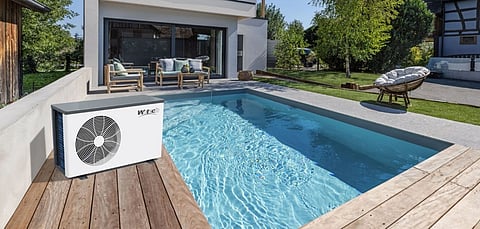
A swimming pool heat pump is different from a gas pool heater in the sense that the former does not generate heat. It uses a heat transfer process whereby it draws heat from the surrounding atmosphere and then uses it to heat the swimming pool water.
Imagine it like a fridge, but reversed.
Pull heat from outdoor air
Compresses this heat into usable thermal energy
Passes the energy through a heat exchanger coil
Transfers heat to the pool water flowing through the system
They operate in this fashion because swimming pool heat pumps are exceedingly energy-efficient when compared to their traditional heater counterparts.
On average, a pool heat pump will have the following variables for increasing water temperature:
1–2°F per hour in favorable conditions
8–12°F per day on average
Each pool is different when it comes to heating. There are several factors that can determine the speed of your pool heating system.
It takes longer to heat water if it is cold. Early spring heating usually takes longer than summer heating.
Heat pumps are big fans of warm air.
Best performance: Above 50°F (10°C)
Rapid heating: 70–90°F air temperature
Lower air temperatures cause poor heating element performance.
For a 10,000-gallon pool:
Recommended size: 30,000–40,000 BTUs
Smaller units = slower heating
Proper sizing = better pool heater efficiency
Your pool circulation pump plays a big role.
Too slow → poor heat distribution
Too fast → less time for heat absorption
An optimized water flow rate ensures consistent heating.
Outdoor pools lose heat faster
Wind increases evaporation
Shade slows heating
Using a pool cover can reduce heat loss by 50–70%.
Unlike gas heaters, swimming pool heater pump systems don’t burn fuel.
Produce 5X more energy than they consume
Coefficient of Performance (COP): 4.0–6.0
Reduce energy costs by 50–70% annually
This makes them a favorite for homeowners focused on energy efficiency pool solutions.
The heart of any heat pump is its heat exchanger.
Excellent thermal conductivity material
Resistant to corrosion
Ideal for saltwater pools
Longer lifespan
A titanium heat exchanger ensures heat moves quickly and safely into your pool.
If you want fast heating for a one-time swim, gas may win. But for consistent warmth and savings, pool heat pumps are the smarter choice.
Here are easy, proven ways to reduce heating time:
Use a solar or thermal pool cover
Run the heat pump during warm daytime hours
Maintain proper water chemistry
Keep the pool circulation pump clean
Reduce nighttime heat loss
These steps can cut heating time by up to 30%.
Absolutely. Smaller pools heat faster and retain warmth better, making them ideal for heat pump systems.
Above-ground pools
Mild to warm climates
Regular swimmers
Long swim seasons
With the right setup, your pool can stay swim-ready all season long.
For a 10,000-gallon pool, a properly sized swimming pool heater heat pump will typically:
Heat the pool in 24–72 hours
Maintain temperature efficiently afterward
Save significant energy over time
Deliver consistent comfort without high bills
While it may not be instant, the balance of comfort, savings, and reliability makes heat pumps one of the smartest pool heating choices today.
If you’re planning ahead, understanding how heating works helps you swim sooner, smarter, and stress-free. After all, the best pool days are the ones where the water feels just right.
Inspired by what you read?
Get more stories like this—plus exclusive guides and resident recommendations—delivered to your inbox. Subscribe to our exclusive newsletter
The products and experiences featured on RESIDENT™ are independently selected by our editorial team. We may receive compensation from retailers and partners when readers engage with or make purchases through certain links.