
- Locations
- Interviews
- Luxury Home
- Luxury Lifestyle
- Luxury Travel
- Luxury News
- Events
- More
- Magazine
- Contact Us

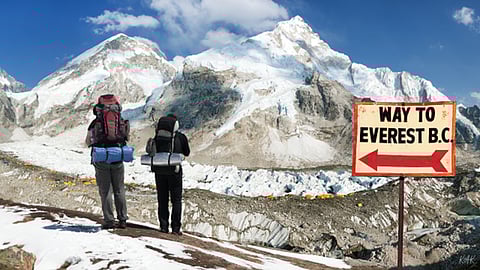
Everest Base Camp Trek in 2026. Pressing right can make a world of difference, particularly in the event that it's getting to be the difference between an agreeable trip and not. The journey could be a study in sharp rises, climate shifts, and landscape changes, which suggests everything you pack has to earn its place. Overpack and you'll feel logy and sleep-deprived; underpack only to be cold, tired, or altitude-sick. As of 2026, trekking has come a long way, and now, thanks to technology and design advances in trekking equipment, it's possible for trekkers to have the absolutely perfect combination of convenience, lightness, and solidity. This guide walks you through exactly what to pack for Everest Base Camp, including all the essentials– clothing, gear, and tech – nothing more, nothing less!
The Everest Base Camp hike involves a wide range of temperatures, ranging from the moderate weather prevailing in the lower valleys to freezing nights at base camp. In 026, we do not know the weather, and a sunny morning can turn to wind or snow in the afternoon, particularly above 4000 m. The accommodations are sparse, the power is sparse, and the medical facilities run thin. When choosing what to pack, the choice should emphasize a balance between utility, warmth, strength, and weight. With this information in mind, trekkers are able to distinguish between the gear employed for high altitude operation as opposed to standard hiking forms.
Smart Packing for Everest Base Camp. The secret of smart packing for Everest Base Camp lies in the layers. Modern trekking clothing - 2026 Trap' yer effluent and block the breeze. Your ase layer should help control your body temperature and wick away moisture as you climb higher and longer, while a mid-layer provides warmth without the added bulk. For the exterior, shells must resist wind and snow as well as some rain. Hiking pants, thermals asa base layer, and down jackets with breathable shells all come together to keep the body content from varying temperatures. Soft layers bulk less than an oversized single warm item of clothing, and hikers can quickly adjust to the weather.
Your footwear can make or break the trek. Cold-weather, rough conditions in 2026 call for hefty trekking boots. Your boots ought to be well-worn-in, waterproof in regions, and massive enough to accommodate thick trekking socks. Gai ers can prevent snow or dirt from getting into your shoes, and they are instrumental in the higher locales. Take the pressure off your knees when you walk downhill, improve your balance, and increase your stability with this trekking pole. These items, like gloves, beanies, and necks, are essential for making sure you don't lose heat in minuscule amounts that are fine at sea level but start to get uncomfortable at 10-20k feet.
They provide perfunctory bedding at teahouses, but you are well advised to bring your own bag for warmth and hygiene. The ideal temperature rating for your 2026 Everest Base Camp Trek sleeping bag should be lightweight insulation, whether that be down or synthetic, and with a sub-zero rating. A liner insulates the bag (and can keep it clean). Personal introducing hot items (inflatable air pillows or small seat pads for better sleep on long treks). Pap r - loose rubbish/garbage is particularly damaging to the environment. Don't schlep too much luxury — but don't forget the importance of sleeping well for acclimatization and performance.
The perfect backpack is a lightweight pack that helps spread weight around without getting you to remove your gear. Today, most will bring a 50- to 65-liter backpack (or thereabouts) in 2026. Even those with "huskies," what porters are sometimes called, should still have a well-fitted daypack with water, snacks, and layers. How to Pack for a Winter Hike. If packing cubes (or compression sacks) are going to make your clothes more orderly and less of a space waster, use them: It's easier to find things when it is cold. Well-organized with the right kit will also help minimise time sifting through everything at high-altitude camp stops while preserving precious energy.
Technology is becoming a larger part of the pre-trekking preparation. In 026, smartphones serve as navigational aides, cameras, and backup communication devices. You definitely need a good power bank, as there are not many places to charge on the trail. Solar chargers are great to have, but can sometimes be unreliable if it's cloudy out.
Health and Safety Products for Everest Base Camp. The number one thing that you should include in your packing list for Everest Base Camp is health and safety products.
A pocket first-aid kit (minimum recommended), Altitude sickness medication, blister treatment, and painkiller-kind of drugs. You will need top-quality sunglasses offering high UV protection due to strong sunlight and reflecting snow at altitude: sunscreen, lip balm.
Packing for Your Everest Base Camp Trek: Biggest challenge of packing for your Everest base camp trek? Try ng to wear enough vs what you think you might want. Over 4,000 meters, the significance of an extra kilogram begins to materialize. In 026, advances in low-weight materials ensure that when you're climbing those peaks, the gear doesn't grow heavier – though lighter is also now safer and more comfortable. Reducing the amount of weight will help it fit better." One bag with clothes, low-key gear, and minimal personal items can help reduce weight. After making a good plan, you will see that everything has to do something: tell goodbye to useless wastage and so on, excellent.
Packing for the 2026 Everest Base Camp Trek is more about the quality choices than gear. Putting in the time to know the terrain, investing in layered clothing, finding durable shoes, and plugging into the right technology will all go far too. Ult alight performance equipment helps you acclimatize, stay more comfortable, and be safer along the route. And by packing with intention (aka not overpacking!!!), hikers can keep their eyes where they should be: on the stunning Himalayan views that they'll see, the cultural experiences that they will have, and the personal growth opportunities that make an Everest Base Camp trek one of the most rewarding journeys on planet Earth.
Inspired by what you read?
Get more stories like this—plus exclusive guides and resident recommendations—delivered to your inbox. Subscribe to our exclusive newsletter
The products and experiences featured on RESIDENT™ are independently selected by our editorial team. We may receive compensation from retailers and partners when readers engage with or make purchases through certain links.