
- Locations
- Interviews
- Luxury Home
- Luxury Lifestyle
- Luxury Travel
- Luxury News
- Events
- More
- Magazine

The United Nations reports that more than 56% of the world's population is now in urban areas, and that figure is increasing year over year. It's proof of urban growth that doesn’t just bring new buildings and busy streets. More communities like these can also amplify conducive areas and spaces for rodents searching for food and shelter, and they might be in homes like yours.
So, if you own a modern or elevated home, hidden gaps and utility spaces raise your risk. Smart tech, coupled with Environmental Protection Agency guidance, can help you win over pest issues.
Contrary to trending influences, traditional snap traps still work. However, you lose time if you don’t know when pest attacks happen and their triggers. So you need connected snap traps that send real-time alerts to your phone every time.
It matters a lot because rodents reproduce quickly and can surely disturb your peace despite the refreshing revamp to maintain your home’s aesthetics. Most of the time, rodents carry illness-causing elements that contaminate food and surfaces, according to studies by the Centers for Disease Control and Prevention. Quick removal and disinfection lowers your exposure to these risks.
You can also fully protect your home from these pesky pests by taking easier remedies, like placing smart traps in attic corners, under kitchen cabinets, and along garage walls. Position them perpendicular to walls, since rodents travel along edges. Check your app daily and act fast when you get a notification.
Tech alone isn’t enough; so seal obvious cracks first, then use alerts as your monitoring layer.
Rodents need water as much as food. If you cut off moisture, however, you make your home less attractive and uncomfortable. You may have to install leak detectors under sinks, behind refrigerators, and near water heaters to avoid unlikely results.
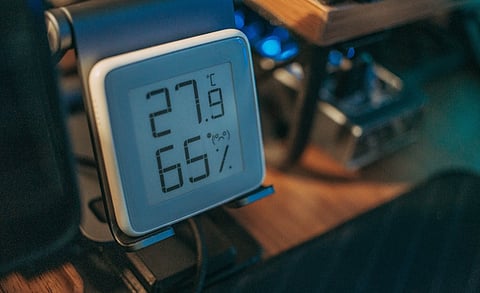
Adding humidity sensors in basements and crawl spaces can also do the same trick. Many studies found that damp indoor conditions support pests and sickness-causing microbes. Living in a well-balanced humidity protects both your health and your home’s structure.
So, set alerts for unusual spikes. If your crawl space rises above recommended levels, run a dehumidifier or fix the source. Even a slow and negligible drip under a sink can sustain rodent zones.
You might not be alarmed by a small crack, but a mouse can squeeze through an opening even the size of a coin. Your garage door corners, attic vents, and utility line gaps are common welcome joints for these unwelcome visitors. So, install door gap sensors, smart garage monitors, and auto-closers so doors never stay open by inadvertence.
Also, adding weather stripping and metal mesh can be quite preventive. Although tech can’t really replace a trained eye, some solutions can be quite effective. A licensed provider can be your trusted ally to efficiently inspect rooflines, foundation joints, and vent screens to really make your home pest-free.
But if you’ve been searching for rodent control, it helps to work with a firm that offers a full exclusion plan, not just traps and fumes, especially if you’re dealing with persistent infestations in areas like Atlanta or the broader Georgia region. You need professional rodent control that includes sealing structural gaps, placing tamper-resistant bait stations, and setting up follow-up schedules. It’s a more layered approach that aligns with EPA Integrated Pest Management principles, giving you long-term assurance.
Note that some home spaces, like your utility rooms and pantry shelves, are high-risk zones with food packaging and cardboard that attract gnawing and pest survival. AI-enabled indoor cameras can detect motion patterns and send alerts when activities like these occur, especially while you're sleeping. Position cameras low to the ground along likely rodent entrances and exits.
Then review captured footage weekly, not just when you get alerts, so you can nip them in the bud. If you spot repeated movement, it's time to act quickly. Combine camera data with trap placement and exclusion work. Over time, you build a clear map of how pests move through your space.
When you combine tech-operated traps, moisture control, sealed entry points, and AI monitoring measures, you create a home that feels more comfortable and secure. So move from guesswork (hoping they wouldn't infiltrate your home) to data-driven protection. It's a shift that can give you peace of mind, keeping your elevated home one step higher from rodents.
Inspired by what you read?
Get more stories like this—plus exclusive guides and resident recommendations—delivered to your inbox. Subscribe to our exclusive newsletter
The products and experiences featured on RESIDENT™ are independently selected by our editorial team. We may receive compensation from retailers and partners when readers engage with or make purchases through certain links.