
- Locations
- Interviews
- Luxury Home
- Luxury Lifestyle
- Luxury Travel
- Luxury News
- Events
- More
- Magazine

Whether you collect vintage classics or modern performance machines, car shows and concours events offer the perfect stage to showcase the vehicles you’ve carefully preserved or painstakingly restored.
These gatherings aren’t just about parking a beautiful car under the sun. They’re about opening the hood, trading stories with fellow enthusiasts, and letting every polished detail speak for the care you’ve invested in your machines.
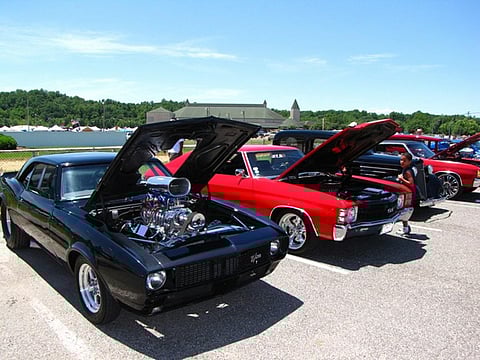
And when that hood lifts, the engine bay becomes the star of the show.
If you want judges and spectators to linger a little longer by your car, a few strategic upgrades can make all the difference. Here are four ways to transform your engine bay into a true showpiece.
When someone lifts the hood, the valve covers are usually the first components that catch the eye. Sitting prominently at the top of the engine, they set the visual tone for the entire engine bay. That’s why many collectors treat valve covers as a centerpiece.
From polished aluminum and chrome finishes to powder-coated designs and custom-painted graphics, upgraded covers instantly signal attention to detail and craftsmanship. In fact, a pristine set of valve covers can make the difference between an engine bay that looks ordinary and one that feels truly show-ready.
Fortunately, upgrading them is one of the simpler visual improvements you can make. Performance and restoration suppliers offer a wide range of options designed to fit specific engines and vehicle models. If you want to keep things classic, you can easily see valve cover options online and narrow them down using filters for material, finish, emblem style, or vehicle make.
With the right set installed, your engine bay immediately looks cleaner, more intentional, and ready for close inspection on the show floor.
A proper wire tuck is one of the most transformative upgrades you can make to an engine bay, though it’s also one of the most labor-intensive. If your goal is to impress judges and enthusiasts at events like the Miami Concours, however, the effort is well worth it.
Modern engine bays are packed with wiring harnesses, sensors, clips, and auxiliary systems for ABS, power steering, and air conditioning. While all of this hardware is necessary, it can easily detract from the engine's visual impact.
A wire tuck solves this by carefully rerouting wiring harnesses inside the fenders or along chassis rails. Once those elements are hidden from view, the engine itself takes center stage. The result is a dramatically cleaner bay where the block, intake manifold, and key components appear almost sculptural.
Pro tip: While you're at it, relocate the battery to the trunk and move the fuse box under the dashboard for a truly shaved look.
A rusty factory bolt or a faded plastic oil cap can quickly undermine the look of an otherwise immaculate engine bay. When you’ve invested thousands into paint, detailing, and restoration, those small factory parts stand out like a sore thumb.
That’s why many collectors upgrade to billet aluminum caps for components like the oil filler, coolant reservoir, and power steering system. These pieces offer a cleaner, more refined appearance while remaining easy to install (no mechanic needed).
The same principle applies to the surrounding hardware. Upgrading factory fasteners to stainless-steel or titanium bolts, along with polished fender washers or anodized fittings, adds visual consistency across the engine bay.
As a bonus, high-quality hardware materials resist corrosion and maintain their finish far better than standard factory components.
The intake system is often the most sprawling component in the bay, and its mix of factory plastics and rubber hoses doesn’t really scream show-ready engine bay. To make it more presentable, builders paint or powder-coat the manifold to match it with the exterior body color or a high-contrast accent color (e.g., a Candy Apple Red manifold in a black engine bay).
Intake piping and cold-air components can also be upgraded with more striking materials. Polished aluminum, anodized titanium, or carbon fiber tubing all create a more performance-oriented, high-end appearance.
Even the air filter housing can become part of the design. Builders often color-match the air box or use hydro-dipped finishes to introduce subtle textures and patterns, helping fill out the visual space in the corners of the engine bay.
Anyone who lifts your vehicle's hood will immediately notice the craftsmanship and attention to detail. Cars are already technological marvels, but with a few thoughtful upgrades, they become true jewelry on four wheels.
Inspired by what you read?
Get more stories like this—plus exclusive guides and resident recommendations—delivered to your inbox. Subscribe to our exclusive newsletter
The products and experiences featured on RESIDENT™ are independently selected by our editorial team. We may receive compensation from retailers and partners when readers engage with or make purchases through certain links.