
- Locations
- Interviews
- Luxury Home
- Luxury Lifestyle
- Luxury Travel
- Luxury News
- Events
- More
- Magazine

Luxury in modern cities has undergone significant changes over the past decade. Buyers no longer focus only on size or expensive finishes. People now value comfort, privacy, smart planning, and thoughtful design. These elements shape how residents experience daily life at home. True luxury now depends on a balance between beauty, practicality, and personal well-being. Designers, architects, and homeowners pay close attention to how spaces function. This shift explains why contemporary urban homes now represent a new standard for modern luxury.
The media plays a strong role in shaping how people view luxury housing. Headlines often feature extreme aspects that capture immediate attention. Many articles highlight private cinemas, rooftop pools, or dramatic architecture. This trend often reflects the prevalence of clickbait in luxury real estate, where marketing focuses on creating spectacle. Buyers still appreciate impressive details, yet their priorities often differ from those highlighted in headlines. Most residents want quiet comfort and practical layouts that support daily routines. True luxury appears when design supports real life rather than dramatic presentation.
Renovation often plays a key role in upgrading city homes. Owners improve layouts, lighting, and materials to increase comfort. During construction, many families face the problem of protecting furniture and personal belongings. A reliable place to store items during renovation helps maintain order and protect valuable pieces. Storage solutions allow workers to move freely without damaging household items. This step also reduces stress during long construction periods. Careful planning keeps the renovation process smooth and efficient.
Urban property often has limited space compared with suburban homes. Designers respond by planning every square meter carefully. Smart layouts reduce wasted space and improve movement between rooms. Open living areas often combine kitchen, dining, and lounge zones. Hidden storage systems help keep interiors calm and organized. Large windows expand the sense of space and allow natural light inside. Efficient design proves that luxury depends on quality planning rather than simple size.
Housing trends often reveal how buyers define luxury at any moment. Current data shows strong demand for comfort and long-term practicality. Experts often refer to these signals as the market is telling us now, which reflects shifting buyer priorities. Spacious kitchens, quiet bedrooms, and high-quality insulation attract strong interest. Buyers also look for reliable building materials that age well. Many prefer neutral interiors that allow easy future changes. These signals guide developers as they plan new urban residences.
Light strongly influences how people feel inside a home. Urban architects design buildings that capture daylight from many angles. Floor-to-ceiling windows allow sunlight to reach deep into living spaces. City views also create a connection between the home and its surroundings. Residents enjoy skyline views during the day and city lights at night. Well-placed windows reduce the need for artificial lighting. These simple features transform ordinary apartments into comfortable living environments.
Older apartments often require updates to match modern expectations. Owners invest in luxury home renovations that improve comfort and increase property value. Renovations often include new kitchens, upgraded bathrooms, and improved lighting systems. Designers also replace outdated materials with durable modern finishes. Smart storage systems often appear during these updates. Many homeowners also improve sound insulation to reduce city noise. Renovation allows classic properties to compete with newly built residences.
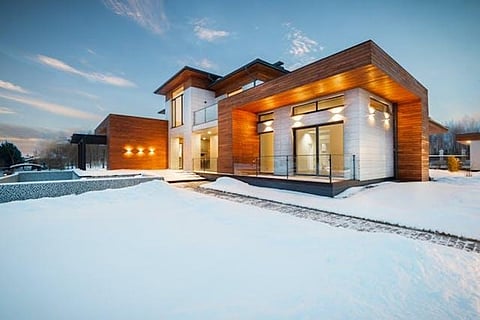
Architecture plays a central role in shaping city living today. Clean lines and balanced proportions define many modern residential buildings. Designers avoid unnecessary decoration and focus on clarity. Materials such as glass, stone, and metal create a calm visual appearance. Careful engineering supports large windows and open interior layouts. These elements create a style strongly linked with contemporary urban homes. The result combines elegance, function, and long-term durability.
Luxury interiors require materials that remain attractive for many years. Designers choose natural stone, hardwood floors, and high-grade metals. These materials resist wear while maintaining a refined appearance. Neutral color palettes help interiors remain timeless. Quality finishes also simplify cleaning and maintenance. Many architects prefer sustainable materials that reduce environmental impact. Careful material choices ensure that luxury homes age gracefully.
Health and relaxation influence modern residential design. Many city homes now include small wellness areas. Residents may create yoga corners, meditation rooms, or compact fitness zones. Natural lighting and calming colors support relaxation in these spaces. Good air circulation improves comfort during exercise or rest. Some buildings also provide shared gyms or wellness lounges. These features support well-being within busy urban environments.
Luxury once focused heavily on visual impact. Large chandeliers and bold decoration filled many older interiors. Today, many homeowners prefer calm spaces with subtle elegance. Designers use soft lighting and refined textures to create comfort. Furniture often features simple shapes and high-quality craftsmanship. Quiet luxury focuses on long-term satisfaction rather than dramatic appearance. This approach reflects maturity in modern urban design.
Urban residential buildings often include shared facilities that expand daily living. Rooftop gardens offer fresh air and city views for residents. Lounge areas provide comfortable spaces for social gatherings. Co-working rooms support remote work without leaving the building. Secure parking and storage rooms improve convenience. Some buildings also include private cinemas or event rooms. These amenities create a sense of community within large city developments.
Luxury housing continues to evolve as city life changes. Buyers now value thoughtful design more than dramatic decoration. Comfort, privacy, natural light, and smart planning shape modern expectations. Technology, sustainable and durable materials, and wellness features also support daily living. Developers and architects respond by creating homes that balance beauty and practicality. These ideas define the appeal of contemporary urban homes today. They represent a clear vision of modern urban comfort and refined living.
Inspired by what you read?
Get more stories like this—plus exclusive guides and resident recommendations—delivered to your inbox. Subscribe to our exclusive newsletter
The products and experiences featured on RESIDENT™ are independently selected by our editorial team. We may receive compensation from retailers and partners when readers engage with or make purchases through certain links.