
- Locations
- Interviews
- Luxury Home
- Luxury Lifestyle
- Luxury Travel
- Luxury News
- Events
- More
- Magazine
- Contact Us

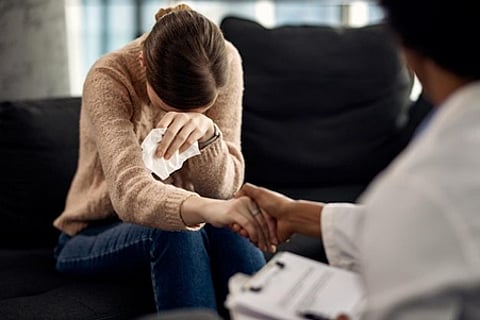
Addiction and depression are two diseases that tend to co-exist forming a vicious cycle that is sometimes challenging to end. Emotional pain, anxiety or deep sadness are other common problems that many individuals have difficulty dealing with when dealing with substance use. The positive aspect is that there are effective courses of treatment. Both conditions can be controlled with the help of the right support and a more stable and healthy life could be created.
One of the possible solutions that may come to the minds of many people nowadays is to consider care overseas. Treatment in a relaxed and nurturing setting is available in programs such as afkickkliniek zuid afrika. The programs are actually aimed at preventing the usage of substances, but also, knowing the emotional and psychological reasons of the usage.
There is a strong relationship between addiction and depression. In most instances, one condition may result in the other. As an illustration, an individual can begin using substances in order to deal with stress or depression. This may gradually lead to addiction which in turn increases depression.
Usual symptoms of co-occurring depression and addiction are:
Poor interest in every-day living.
De-energetic or persistent tiredness.
Difficulty concentrating
New loneliness among family and friends.
Reliance on alcohol or drugs to be normal.
It is important to identify these signs at an early age. It enables one to seek assistance before things get out of control.
The recovery normally takes a combination of both medical and psychological help. Therapy is aimed at the solution of addiction and mental health problems.
In most instances; detoxification is the initial step. The process assists the body to eliminate toxic elements. This stage requires medical supervision to deal with the withdrawal symptoms and patient safety.
Mr. Therapy is very important in recovery. Common approaches include:
CBT to reform negative ways of thinking.
One-to-one counseling of personal problems.
The development of support and connection through group therapy.
The contemporary rehab facilities also incorporate the use of holistic approaches like mindfulness, physical activity, and diet. These strategies will contribute to the overall well-being improvement and assist in recovery in the long term.
The location of treatment can be of significant concern. An environment that is calm and orderly enables people to devote their entire attention to the healing. Staying out of day stress and triggers can assist patients to have a clear mind and establish healthier lifestyles.
Because of this reason, numerous individuals turn to alternatives such as rehab Cape Town and in most instances, the rehab centers are usually situated in peaceful and natural environments. These settings are conducive to mental as well as physical healing and therefore, it becomes more convenient to remain committed to the process.
Addiction and depression do not manifest themselves in the same way in two individuals. This is why the individualized treatment plans are necessary. An effective program will evaluate the needs of every single person and develop a plan that is suitable to them.
Individualized care can involve:
Tailored therapy sessions
Special psychological assistance.
Customized aftercare plans
Continuous monitoring of progress.
This strategy is effective because treatment is not only sustainable but also effective in the long run.
The process of recovery does not cease with the completion of a treatment program. Constant encouragement should be used to sustain progress and avoid relapse. With aftercare programs, those who have been in rehabilitation are enabled to resume the normal life with confidence.
The following are some of the key aspects of aftercare:
Follow-up therapy or counseling.
Community program or support groups.
Healthy lifestyle routines
Frequent visits with professionals.
Most of the international programs, such as afkickkliniek zuid afrika, give much attention to aftercare. They know that they need to be supported and guided in the long run.
Even with the existing effective treatment, most individuals are reluctant to seek assistance. The first step may be inhibited by fear, stigma, and uncertainty.
One should keep in mind that addiction and depression are diseases and not individual failures. Asking someone to assist is a show of strength and not weakness. The contemporary treatment programs are aimed at the provision of safe, supportive, and non-judgmental environment.
Support by the family can also be influential. Motivation by the people they love usually helps people to get started in the recovery process.
Addiction and depression may overwhelm a person, but this can be overcome through the right way. Knowledge of the relationship between these conditions is the initial step of the healing process. Detox and therapy, personalized care and aftercare, all stages of treatment are significant.
The appropriate choice of the environment and support system can be a big difference. It is either locally or internationally, the idea is to have the same results: a stable recovery and a better mental state. Through determination and proper advice, the individuals are able to restructure their lives and move on in order to hope.
Inspired by what you read?
Get more stories like this—plus exclusive guides and resident recommendations—delivered to your inbox. Subscribe to our exclusive newsletter
The products and experiences featured on RESIDENT™ are independently selected by our editorial team. We may receive compensation from retailers and partners when readers engage with or make purchases through certain links.