
- Locations
- Interviews
- Luxury Home
- Luxury Lifestyle
- Luxury Travel
- Luxury News
- Events
- More
- Magazine

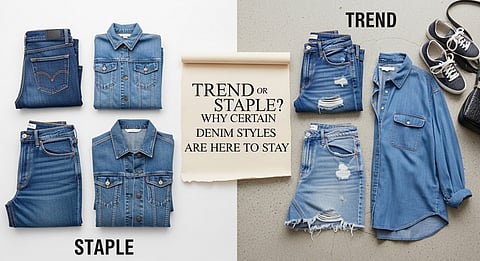
Denim has always been more than just fabric. It is a cultural marker, a fashion statement, and for many, a daily uniform. Over decades, denim has shifted from rugged workwear to high fashion, yet some styles remain firmly rooted in wardrobes across generations. The question is whether these styles are fleeting trends or enduring staples.
Denim first gained popularity as durable clothing for miners and workers, but by the mid-twentieth century it had transformed into a symbol of rebellion and youth culture. From flared jeans in the seventies to skinny jeans in the early 2000s, each decade has had its defining silhouette. What is fascinating is how certain cuts never truly disappear. They may fade from the spotlight for a time, but they return with fresh energy, proving their staying power.
In recent years, fashion has leaned towards comfort and individuality. Wide leg jeans, relaxed straight cuts, and playful barrel shapes have become favourites. Women’s barrel jeans, with their distinctive curved silhouette, are a perfect example of how innovation can create a new staple. They balance structure with ease, offering a flattering shape that feels modern yet timeless.
There are several reasons why certain denim styles endure. First, versatility. A straight leg jean can be dressed up with heels or worn casually with trainers. Second, comfort. As lifestyles shift towards more relaxed dressing, styles that allow movement and ease naturally gain longevity. Third, cultural resonance. Denim is tied to identity, music, and social movements, which means certain cuts carry emotional weight that keeps them relevant.
Fashion operates in cycles. What was once considered outdated often resurfaces with a new twist. Take the resurgence of high waisted jeans. Once dismissed in favour of low rise cuts, they now dominate runways and everyday wear. This cycle ensures that denim remains dynamic, but it also highlights which styles have the structural integrity to withstand changing tastes.
Some denim fits are almost immune to trends. The classic straight leg, the boyfriend jean, and the vintage inspired high rise are examples of cuts that appeal across age groups. They are not bound to a single era, which makes them staples. Even when other silhouettes dominate, these styles remain quietly present, ready to be rediscovered.
Another factor shaping denim’s future is sustainability. Consumers are increasingly conscious of quality and longevity. Investing in durable denim that can be worn for years aligns with this mindset. Staple styles benefit from this shift because they are less likely to feel dated, making them a smarter purchase.
It is important to recognise that trends and staples are not opposites. A trend can evolve into a staple if it proves versatile, comfortable, and culturally resonant. Barrel jeans, for instance, may have started as a bold statement, but their flattering shape and ease of wear suggest they could become a permanent fixture in wardrobes.
Ultimately, denim is personal. The styles people choose reflect their identity, mood, and lifestyle. This is why certain cuts endure. They offer a canvas for self expression while remaining practical. Whether someone prefers the sharpness of skinny jeans or the relaxed vibe of wide legs, denim adapts to the wearer rather than dictating a single look.
Looking ahead, denim will continue to balance innovation with tradition. New silhouettes will emerge, but the classics will remain. The interplay between trend and staple is what keeps denim exciting. It is not about choosing one over the other, but about recognising that some styles are destined to stay, woven into the fabric of everyday life.
Inspired by what you read?
Get more stories like this—plus exclusive guides and resident recommendations—delivered to your inbox. Subscribe to our exclusive newsletter
The products and experiences featured on RESIDENT™ are independently selected by our editorial team. We may receive compensation from retailers and partners when readers engage with or make purchases through certain links.