
- Locations
- Interviews
- Luxury Home
- Luxury Lifestyle
- Luxury Travel
- Luxury News
- Events
- More
- Magazine

For many years, the debate between modern and classic interiors has existed. However, now it feels more relevant than ever. Buyers are no longer making simple decisions based just on appearance. Instead, they consider multiple factors. These may include lifestyle, comfort, and long-term value. A home is not only a place to live but also a reflection of daily habits and personal taste. Because of these factors, the border between modern and classic designs has begun to blur. Buyers search for homes that feel both livable and stylish. It is important to look at how these styles are different from each other to understand what buyers really prefer.
Modern interiors are designed with the idea of function and simplicity. They use open layouts, clean lines, and minimal decoration to create a sense of calm. Moreover, neutral color palettes also dominate these spaces. Materials like metal, polished wood, and glass are usually used to enhance the sleek look.
Furniture is practical and simple, with little to no ornamentation at all. Storage is often hidden to keep the space looking uncluttered. Natural light is the main feature, usually emphasized through large windows. Overall, modern interiors focus on creating spaces that feel efficient, open, and easy to maintain.
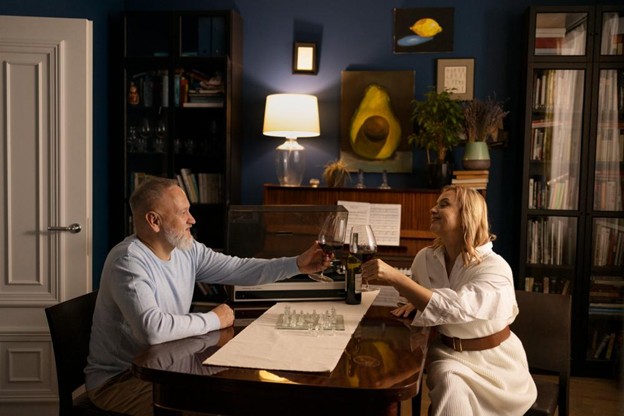
Classic interiors gain inspiration from historical design styles and focus on detail and elegance. These spaces usually include rich materials such as marble, luxurious fabrics, and dark wood. Colors tend to be deep and warm, adding a sense of tradition and comfort. Furniture in classic interiors is usually more decorative, featuring curved shapes and carved details.
Accessories like curtains, artwork, and rugs play a significant role in completing the look. Classic designs create a sense of structure and formality. It attracts buyers who value heritage, craftsmanship, and a timeless aesthetic that does not rely on trends.
In the past, buyers usually chose either a fully classic or a fully modern home. Today, that approach has evolved. Modern lifestyles demand convenience, comfort, and flexibility. It has influenced design preferences. Customers now look for houses that support their daily routines instead of just visual impressions. This has resulted in a shift toward blended styles.
Many individuals prefer a modern foundation with some classic charm. They look for homes that feel functional and open but still have personality and warmth. This evolution indicates that design is no longer about strict categories but also about building a balanced living experience.
“Modern interiors have become famous since they align with present lifestyles. Open floor plans make it easier for families to entertain and interact with guests. Simple designs minimize visual clutter and build a sense of calm. Maintenance is also much easier since fewer decorative elements mean less cleaning, too.” - Devon Howard, CEO of Andor Willow
In urban areas, space is limited. Therefore, modern layouts help in maximizing each square foot. Customers also value the focus on natural light, making spaces feel more inviting and larger. These practical benefits make modern interiors particularly appealing to younger buyers. They are also attractive to those looking for efficiency in their homes.
Even though modern design is quite popular, classic elements still contain a strong appeal. Most buyers feel that purely modern spaces can look too cold or plain. Adding classic touches can create depth and warmth. These may include vintage pieces, decorative moldings, or textured fabrics.
Classic details also provide a home with a sense of uniqueness and identity. In some scenarios, they can even boost perceived value. It is so because they suggest craftsmanship and quality.
Transitional design emerged as a response to evolving buyer preferences. It blends classic and modern elements to create a flexible and balanced style. This approach allows homeowners to cherish the clean lines of modern design while also incorporating the warmth of classic details. For instance, a room may feature neutral walls with subtle decorative moldings or a sleek sofa paired with traditional rugs.
Jake Miakota, CEO at Subdivisions, said, “Buyer preferences usually vary depending on the rooms. In living rooms, comfortable seating and open layouts are key, focusing less on formal arrangements. Kitchens are supposed to be modern, with smart storage, clean cabinetry, and updated appliances. Bedrooms are expected to combine styles, providing a modern layout with cozy and soft elements for comfort.
Bathrooms are often designed with a spa-like and modern feel, focusing on cleanliness and simplicity. This room-wise approach shows that customers are practical. They choose what works best for every space rather than following a single pattern throughout the home.”
Technology plays a crucial role in shaping modern interiors. Today’s buyers want homes to support smart systems for security, temperature control, and lighting. Modern designs easily facilitate these features since they have clean layouts and minimal structure.
Classic interiors can accommodate technology, but they are not naturally ideal for it. As a result, buyers usually lean towards transitional or modern styles that allow seamless incorporation of smart features. This transition highlights how functionality has become as important as aesthetics. Nowadays, a well-designed home needs to meet both technological and visual expectations.
Design preferences can differ based on location and culture. In some areas, classic interiors remain famous since they reflect local values and traditions. However, even in these regions, modern furniture is being introduced. Buyers look for the convenience and comfort that modern design provides while still preserving cultural identity. This has resulted in more blended interiors that combine modern layouts with traditional elements.
The outcome is a style that feels both updated and familiar. This trend shows that interior design is becoming more adaptable. It allows people to honor their roots while also embracing contemporary living standards.
When people buy a home, they usually think about future resale value. Transitional and modern interiors tend to attract more buyers since they feel versatile and current. Homes with excessive classic designs may attract only a small audience, making resale value more difficult. Updating overly traditional spaces can also demand more cost and effort.
Buyers usually prefer homes that require minimal changes and can adapt to varying tastes. This practical mindset impacts design choices, encouraging developers and sellers to focus on styles that provide both lasting value and immediate appeal.
In the end, the present buyers are not strictly choosing between classic and modern interiors. They are expecting homes that combine the best of both. Open spaces, functional layouts, and natural light are essential. At the same time, comfort, personality, and warmth are also equally important. Buyers are looking for homes that not only feel easy to live in but also reflect their style. This balance defines modern preferences. It shows that now design is not just about following rules but about creating spaces that truly feel like home. Moreover, these spaces also meet the demands of everyday life.
Inspired by what you read?
Get more stories like this—plus exclusive guides and resident recommendations—delivered to your inbox. Subscribe to our exclusive newsletter
The products and experiences featured on RESIDENT™ are independently selected by our editorial team. We may receive compensation from retailers and partners when readers engage with or make purchases through certain links.