
- Locations
- Interviews
- Luxury Home
- Luxury Lifestyle
- Luxury Travel
- Luxury News
- Events
- More
- Magazine

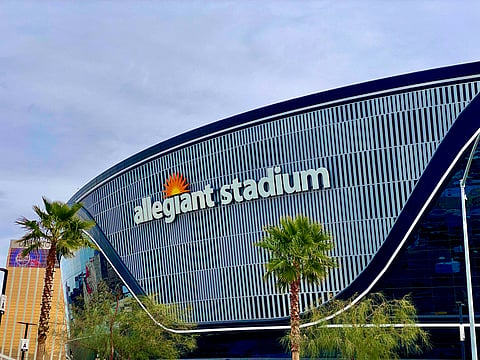
College football's championship destination is set, but the teams travelling there are still taking shape. Allegiant Stadium in Las Vegas will host the national championship on January 25, 2027, bringing the season's final contest to Nevada.
Before that evening arrives, November rankings, conference races and December's bracket announcement will give supporters plenty to follow. Understanding the title chase means separating three questions: who enters the playoff, where each team is seeded and who eventually reaches the championship game.
A national championship market concerns the eventual title holder. It covers a different achievement from qualifying for the playoff, becoming a conference champion or advancing through one particular round.
Fans exploring CFP odds can use that distinction to understand the teams listed in the championship market. The selection concerns the tournament's final outcome, while a weekly matchup concerns one game within the wider season.
That difference matters before the bracket is announced. A team can feature in championship discussions while its qualification route and potential opponents remain unresolved. Its listing does not establish a playoff seed or an official place in the field.
The committee's rankings serve another purpose. They evaluate teams for playoff selection and seeding, rather than presenting a sportsbook's championship market. Reading each in its proper context keeps the sporting discussion clear without treating either as a substitute for watching the games.
The committee's November 17 rankings placed Georgia first, followed by Utah, Alabama and UCLA. Texas completed the top five, with Notre Dame sixth. Those positions describe the committee's assessment through games played on November 15.
Georgia, Utah, Alabama and UCLA currently occupy the positions that would allow them to begin in the quarterfinals. Keeping those places through selection day would remove an opening round fixture from their route to Las Vegas.
Their November positions remain provisional. The useful question is how their remaining performances compare with the standards that earned those places, rather than assuming the current order represents the eventual bracket.
Miami, Indiana, Tennessee and BYU occupied positions seven through ten. Wake Forest stood eleventh, followed by Texas Tech. For supporters following these teams, conference standings deserve attention alongside the national list. Automatic qualification provisions mean that the final field cannot simply be assumed from a November top twelve. The selection rules explain how the two fit together.
Twelve places are available, with conference results and the committee’s final assessment determining entry. The qualification routes work as follows:
Four conference champions: Taking the ACC, SEC, Big Ten or Big 12 title secures participation.
One additional conference representative: The highest-ranked team from the American, Conference USA, MAC, Mountain West, Pac-12 or Sun Belt qualifies, even if it doesn’t win its conference championship.
Remaining selections: Seven places depend on ranking. If Notre Dame finishes twelfth or better, it takes one of those places, leaving six for other teams.
An automatic entrant can sit below twelfth in the national rankings. Its inclusion then leaves fewer openings for teams relying on ranking alone.
Positions one through four allow teams to start their postseason in the quarterfinals. Everyone else plays an additional round: fifth hosts twelfth, sixth hosts eleventh, seventh hosts tenth and eighth hosts ninth.
After selection, teams retain their positions within the tournament structure. Progression follows the published bracket without rearranging the remaining participants. Previous meetings and shared conference membership do not prevent another matchup. Supporters can therefore trace a team’s possible opponents from its opening appearance through to Las Vegas.
A ranking makes the conversation accessible, but a team's football explains why supporters keep watching. Comparing performances across opponents provides more substance than relying on a familiar programme name or one memorable highlight.
Similar records can reflect different seasons. The committee examines the opposition each programme faced, results between the teams being compared and their performances against shared opponents. Relevant absences among players or coaches also form part of that assessment.
On the field, several details provide useful viewing questions:
Offensive balance: A combination of running and passing gives the attack different ways to move the ball as defenders adjust.
Protection: Pass blocking gives the quarterback time to read the defence and work through receiving options.
Defensive coordination: Communication helps defenders maintain their assignments when opponents change formations or use motion.
Situational execution: Play selection, clock management and clear assignments become especially important near the goal line and late in a half.
These observations concern the football itself. They offer a way to follow a contender's development without claiming that any particular performance determines a championship listing.
Selection day on December 6 will reveal the bracket, seeds and opening matchups. That announcement marks the transition from discussing possible routes to following scheduled playoff opponents.
The competition then unfolds across four stages:
Opening round: December 18 and 19, with four games hosted by the higher seeds,
Quarterfinals: December 30 at the Fiesta Bowl, followed by the Cotton, Peach and Rose bowls on January 1,
Semifinals: January 14 at the Orange Bowl and January 15 at the Sugar Bowl,
Championship: January 25 at Allegiant Stadium in Las Vegas.
The bracket helps fans follow each team’s progress and identify the next matchup. Between rounds, attention shifts to the advancing teams, their performances and their upcoming opponents.
The championship venue brings every possible route toward the same field. Whether a finalist begins with a bye or enters through a campus game, its season ultimately points toward Allegiant Stadium.
For supporters attending, the occasion combines college football's team traditions with the experience of a destination event. For viewers elsewhere, the appeal remains the meeting of two teams that have progressed through their respective sides of the bracket.
November supplies the contenders and the questions; December will supply the pairings. Following both makes the road to Las Vegas more engaging than reading a list of favourites alone. The most revealing story will be how each team's approach holds up as the competition moves from familiar conference opponents toward the championship stage.
*Content reflects information available as of November 18th 2026; subject to change.
Inspired by what you read?
Get more stories like this—plus exclusive guides and resident recommendations—delivered to your inbox. Subscribe to our exclusive newsletter
The products and experiences featured on RESIDENT™ are independently selected by our editorial team. We may receive compensation from retailers and partners when readers engage with or make purchases through certain links.