
- Locations
- Interviews
- Luxury Home
- Luxury Lifestyle
- Luxury Travel
- Luxury News
- Events
- More
- Magazine
- Contact Us

The travel landscape for 2026 is being shaped by a new wave of interest in hidden destinations that blend stunning architecture with untouched natural beauty. Discerning explorers are increasingly drawn to remote retreats and remarkable structures tucked away from the crowds. This guide unveils four of the most coveted architectural marvels and remote paradises expected to define the year’s most inspiring journeys.
For those exploring luxury vacation destinations by Bucket List Villa and beyond, the allure of 2026’s hidden gems goes beyond the traditional tourist path. Travelers are seeking experiences where innovative design harmonizes with pristine environments and exclusive seclusion. The destinations highlighted below have risen to prominence for their unique ability to offer privacy, visionary architecture, and immersive escapes set in settings far from the mainstream.
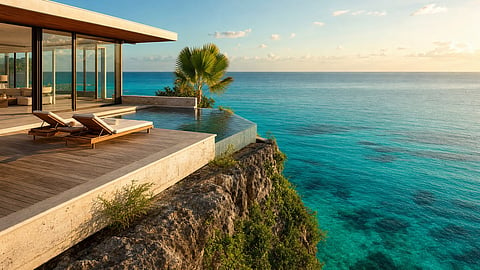
ST BARTS stands as a beacon for those wishing to experience world-class design amidst shimmering Caribbean waters. This island’s reputation is built on its collection of secluded villas that blend contemporary architectural elements with signature French-Caribbean elegance. Each estate maximizes views and privacy while respecting the island’s lush landscape through thoughtful, eco-aware construction.
Travelers are especially enamored by the island's limited-access coves, dramatic cliffside residences, and exclusive beachfront hideaways. ST BARTS offers more than dazzling beaches; its quiet residential enclaves present a blend of sophistication and tranquility that places it at the forefront of remote, design-driven destinations for 2026.
The architectural language of ST BARTS villas reflects a masterful balance between indoor and outdoor living, with expansive terraces, infinity pools that seem to merge with the horizon, and open-plan spaces that invite the tropical breeze throughout. Many properties feature locally sourced materials such as coral stone and weathered teak, creating a sense of place that honors the island's heritage while embracing modern luxury. The careful positioning of each structure ensures maximum privacy, with strategic landscaping using native palms and flowering shrubs that create natural screens between neighboring estates, allowing guests to enjoy their sanctuary without compromise.
In the rolling hills of Tuscany, far from the region’s busy cities, lie Renaissance estates and villas that embody centuries-old artistry and serene living. Restored palazzos with original frescoes, terracotta courtyards, and panoramic loggias invite guests to step into a world where architecture and landscape coexist in perfect harmony. These hidden treasures are often private family homes or small boutique properties, enveloped by vineyards and olive groves.
The renewed interest in rural Italian escapes is fueled by a desire for authenticity and seclusion. Travelers discovering these estates are treated to unique blends of historical charm and discreet luxury, finding inspiration in tranquil gardens and centuries-old stonework surrounded by sweeping Tuscan vistas.
Kyushu, Japan’s southernmost main island, is emerging as a haven for architectural innovation in remote settings. Modern mountain ryokans and minimalist eco-resorts have reimagined hospitality by fusing traditional Japanese forms with cutting-edge design. Many are located in secluded forests or beside natural hot springs, providing an intimate connection to nature complemented by sleek, thoughtfully crafted interiors.
Visitors to Kyushu appreciate the region’s commitment to sustainability, showcased in buildings that use natural materials and blend seamlessly with their surroundings. The emphasis on serenity and aesthetic simplicity makes Kyushu an appealing sanctuary for travelers seeking both architectural distinction and tranquil immersion in nature.
The architectural philosophy embraced by Kyushu's contemporary retreats emphasizes the concept of "ma," or negative space, creating interiors where emptiness itself becomes a design element that encourages contemplation and mindfulness. Floor-to-ceiling windows are strategically positioned to frame specific views—a centuries-old cedar tree, a moss-covered stone garden, or mist rising from volcanic hot springs—transforming nature into living artwork. Many properties incorporate innovative features such as retractable glass walls that dissolve boundaries between interior and exterior spaces, heated floors crafted from local volcanic stone, and soaking tubs positioned to offer unobstructed views of forested mountainsides, creating an immersive experience that honors both tradition and innovation.
Patagonia in southern Chile is celebrated for its unforgettable landscapes and has seen a rise in spectacular wilderness lodges. These architectural marvels often use glass, native wood, and local stone to frame dramatic mountain and lake views. The most desirable retreats remain notably secluded, ideal for those seeking to disconnect in an environment of raw, unspoiled beauty.
Innovative accommodations abound here, many designed with environmental stewardship as a guiding principle. Properties such as The most beautiful villas in St Barts demonstrate how unique design and remote location can elevate a destination’s desirability. For 2026, Patagonia’s balance of bold architecture and breathtaking remoteness is setting a new standard for hidden getaways.
As travelers look ahead to 2026, these four destinations embody the growing appetite for places where architectural artistry meets profound seclusion. Each offers a blend of innovation, privacy, and connection to its landscape, defining the year’s most coveted escapes for the globally minded explorer.
Inspired by what you read?
Get more stories like this—plus exclusive guides and resident recommendations—delivered to your inbox. Subscribe to our exclusive newsletter
The products and experiences featured on RESIDENT™ are independently selected by our editorial team. We may receive compensation from retailers and partners when readers engage with or make purchases through certain links.