
- Locations
- Interviews
- Luxury Home
- Luxury Lifestyle
- Luxury Travel
- Luxury News
- Events
- More
- Magazine

A week at sea can become the trip your family talks about for years. The water is warm, the pace is unhurried and the itinerary can bend around naps, swims and long lunches instead of airport gates.
The difference between a good charter and a great one is planning. Time the week well, choose a region that suits younger travelers, pick a yacht built for family life and understand how the budget works before you commit.
This guide walks through each decision so menus, moorings and kid gear are easier to arrange later.
Five decisions shape almost everything: region, timing, yacht, budget and how you book.
Budget for the base weekly rate, APA for running costs, value-added tax by embarkation country and discretionary crew gratuity. Treat every figure as a range because route, onboard choices and local rules affect the total.
Each Mediterranean cruising ground has a personality. Match it to your family rather than the postcard.
The Ionian offers short hops and calmer seas, which suits younger children and anyone prone to seasickness. The Cyclades are iconic but windier, so they often work better for confident families and older kids.
Croatia pairs historic towns with sheltered bays. The Amalfi Coast, Sardinia and Sicily lean on scenery and shore days. The Riviera and Balearics bring beach clubs, busier ports and a more social pace.
If your family wants calm anchorages and easy island hopping, the Greek islands are a natural starting point for a first family yacht charter.
The Mediterranean charter season typically runs from May through October, with different advantages in each part of the season.
May, June, September and October usually bring softer conditions and fewer crowds. July and August are peak months, with the liveliest ports, warmest water and highest demand.
For peak summer weeks, major brokerages advise booking 6 to 12 months in advance to secure first-choice yachts and dates.
Layout matters more than length. Look at how the boat will feel with children aboard.
Catamarans tend to feel stable and roomy, while motor yachts and sailing yachts each bring a different pace. Ask about two equal VIP cabins, twin cabins with Pullman berths, shaded deck areas and cots or high chairs.
Passenger counts on most charter yachts are capped at 12 guests under international rules unless a dedicated passenger vessel is used, so confirm numbers early before shaping tailored itineraries.
The base rate covers the yacht and crew, usually by the week.
The APA, generally 20 to 30 percent of the base rate, covers fuel, food, drinks and berthing. It is an advance you draw down, not a fixed fee.
VAT depends on where the charter begins: France and Monaco at 20 percent, Italy at 22 percent, Greek licensed charters generally 5.2 to 13 percent and qualifying Croatian multi-day charters at 13 percent, subject to rules and licensing.
Crew gratuity is discretionary, commonly 10 to 20 percent of the base fee, split among the crew.
A typical payment schedule is 50 percent on signing, with the balance plus APA due about one month before embarkation. Add insurance, and remember that marquee-port berths can be costly.
Design the days around children, not the map. Keep sea legs short, swim before lunch and protect nap windows.
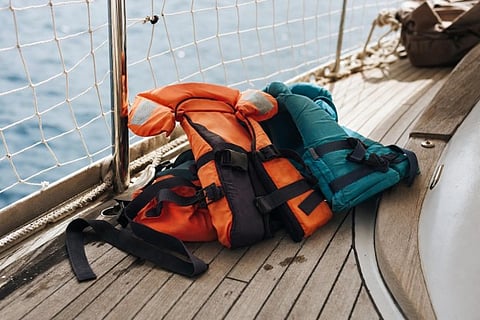
Ask the crew about child nets, rail netting, cots and high chairs before you sign. A shaded play zone on deck can make long afternoons easier.
Short distances and one or two reserved marina nights help keep the week relaxed.
Ionian loop: Corfu, Paxos, Antipaxos, Meganisi and Lefkada. Expect calm water and quick passages.
Mallorca: quiet calas by day and Tramuntana villages by evening, with easy hops between anchorages.
A strong brief saves time. Note your guest list and ages, preferred dates, pace, must-do experiences, dietary needs and how much time you want at sea versus ashore.
If you want a curated shortlist and a smoother booking flow, start a search that filters by destination, weekly rate and family-friendly features, then finalize the itinerary, APA and timing with a consultant.
A brokerage such as Ocean Independence can help translate the brief and coordinate contracts, timing and crew requests.
Begin with the three decisions that anchor everything: dates, region and yacht style. Once those are set, a broker like Ocean Independence can help align menus, moorings and kid gear around your week.
Plan calmly now, and the trip itself can stay simple.
Inspired by what you read?
Get more stories like this—plus exclusive guides and resident recommendations—delivered to your inbox. Subscribe to our exclusive newsletter
The products and experiences featured on RESIDENT™ are independently selected by our editorial team. We may receive compensation from retailers and partners when readers engage with or make purchases through certain links.