
- Locations
- Interviews
- Luxury Home
- Luxury Lifestyle
- Luxury Travel
- Luxury News
- Events
- More
- Magazine

Travelers planning the journey from Tokyo to Kyoto often default to the fastest option: a two-and-a-half-hour ride on the Tōkaidō Shinkansen. Convenient, yes—yet it misses the beauty quietly unfolding between the two cities. This historic corridor is lined with castles, artisan towns, tea valleys, and coastal views that turn a standard transfer into a curated exploration.
This route is fully compatible with the JRailPass and lends itself to a seamless, scenic progression through some of Japan’s most culturally rich regions.
Below is a thoughtfully enhanced Tokyo-to-Kyoto itinerary, designed for travelers who prefer to move deliberately—immersing themselves in history, craftsmanship, and the natural landscapes that define Japan’s heart.
Rather than rushing from point A to point B, this route encourages a different kind of travel rhythm—one where regional heritage, iconic landmarks, and unexpected vistas become as meaningful as the destination itself.
From the lantern-lit streets of Asakusa to the mist rising over Shizuoka’s tea slopes, every stop reveals another layer of Japan’s story.
Japan’s vibrant capital is a natural starting point, brimming with cultural landmarks and refined experiences.
Begin in Asakusa, one of Tokyo’s most storied districts.
Sensō-ji, founded in the 7th century, remains the city’s oldest Buddhist temple and one of its most visited. Travelers arrive for its grand lanterns, incense-filled courtyards, and spiritual heritage; locals come to pray, offering a glimpse of everyday reverence.
From the temple, stroll through Nakamise Street, where traditional snack shops serve senbei rice crackers and artisans sell hand-dyed textiles—perfect for a curated, culturally rooted morning.
Just beyond Asakusa, the Sumida River glides toward Tokyo Skytree, rising 634 meters into the sky.
Its height, deliberately chosen because “634” can be read as mu-sa-shi, nods to the region’s historic name. The tower’s sweeping views and upscale dining make it a sophisticated afternoon stop.
For a polished shift, step into Ginza, Tokyo’s most refined shopping district. Here, boutiques and flagship stores sit beside some of the city’s most lauded restaurants—including Nihonryōri Kanda, a three-Michelin-star kaiseki destination known for impeccable seasonal cuisine served in an intimate, minimalist setting.
Only 30 minutes from Tokyo by Shinkansen, Odawara is one of the easiest and most rewarding stops on the route.
The city’s centerpiece is Odawara Castle, once ruled by the powerful Hōjō clan.
Beautifully restored, it offers panoramic views of the city and coastline from its upper floors—a tranquil contrast to Tokyo’s high-octane pace.
Within the castle grounds, the Tokiwa Kimon Samurai Centre exhibits armor, weaponry, and historical artifacts that illuminate the Hōjō clan’s influence on Japan’s feudal era.
Odawara is also synonymous with kamaboko, a traditional fish delicacy crafted here for centuries.
Family-run shops along Kamaboko Street steam, grill, and slice each piece by hand. Visitors can sample different variations and watch artisans continue methods passed down through generations.
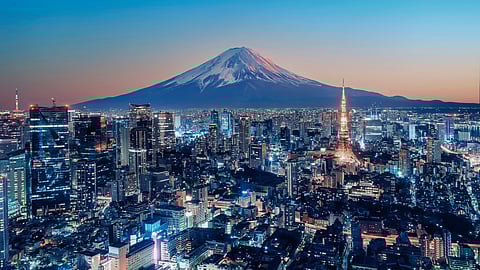
As the Shinkansen continues along the Tōkaidō line, travelers are treated to some of the best Mount Fuji views directly from the train—clear, unobstructed, and framed by coastal plains.
While Fuji-San dominates the horizon, Shizuoka is equally defined by its cultivated tea slopes, most notably on the Nihondaira plateau. Scattered across these hillsides are several tea houses and small estates specializing in high-grade sencha and gyokuro
Small estates and tea houses offer reservation-based tastings guided by regional experts. These intimate sessions explore cultivation, steaming, varietals, and preparation—making it one of the most meaningful tea experiences in the country.
Modern and energetic, Nagoya is often overlooked on standard itineraries—but it is a treasure for travelers drawn to Japanese craftsmanship.
Just outside the city lies Tokoname, one of Japan’s Six Ancient Kilns.
This pottery town has produced ceramics for more than a millennium, with studios crafting teapots, tableware, and art pieces using time-honored methods.
Many workshops welcome visitors to observe artisans at work or engage directly with makers whose creations appear in museums and private collections worldwide.
Kyoto needs little introduction, yet each visit reveals new depth. Its temples, gardens, and centuries-old traditions make it the perfect finale to this refined journey.
A must-see is Fushimi Inari Taisha, where thousands of vermilion torii gates ascend the forested slopes behind the shrine.
Early mornings or mid-hike detours to quieter upper paths offer a more contemplative encounter with this iconic site.
Another architectural marvel, Nijō Castle, once served as the Kyoto residence of the Tokugawa shoguns.
Its famed nightingale floors, engineered to chirp softly underfoot, are both functional and poetic—an auditory reminder of Kyoto’s elegant history.
To complete the journey, stay at Tawaraya Ryokan, among Kyoto’s most revered accommodations.
With more than three centuries of history, it reflects the pinnacle of understated Japanese luxury: tatami-lined rooms, lantern-lit corridors, sculpted courtyard gardens, and hospitality refined by the same family for 12 generations.
Route: Tōkaidō Shinkansen (all stops listed above)
JRailPass: Fully valid on this route
Best Fuji Views: Between Shin-Fuji Station and Shizuoka
Recommended Trip Length: 3–7 days depending on the number of stops
Ideal Season: Spring and autumn for optimal visibility and outdoor touring
Luggage Tip: Japan’s luggage-forwarding services make multi-stop travel effortless
The most meaningful way to experience Japan isn’t by speeding to take it all in, but by honoring the rhythm of each region. Between Tokyo and Kyoto lies a corridor of castles, artisans, tea fields, and mountain vistas that reveal Japan’s cultural soul.
Inspired by what you read?
Get more stories like this—plus exclusive guides and resident recommendations—delivered to your inbox. Subscribe to our exclusive newsletter
The products and experiences featured on RESIDENT™ are independently selected by our editorial team. We may receive compensation from retailers and partners when readers engage with or make purchases through certain links.